



Silver Plate Biscuit Caddy
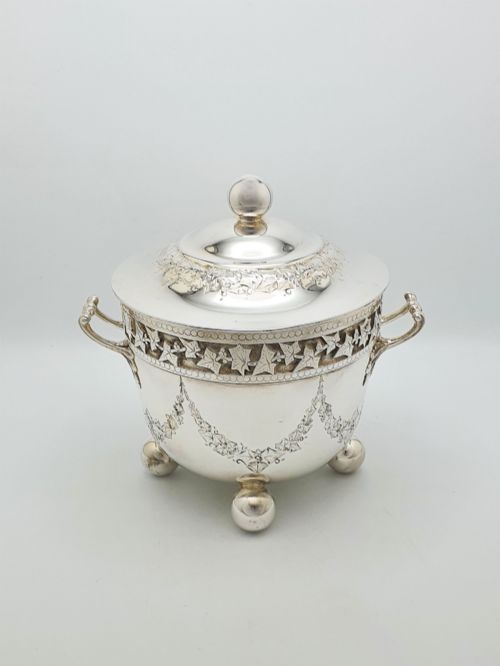
These silver plate biscuit caddy pieces are grand Victorian and Edwardian containers designed to hold table biscuits in style.
Silver Plate Biscuit Caddy
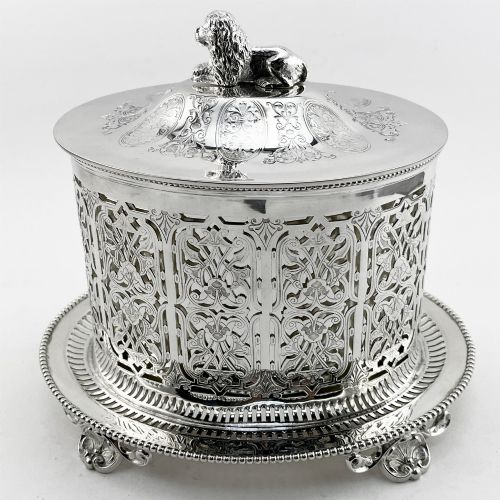
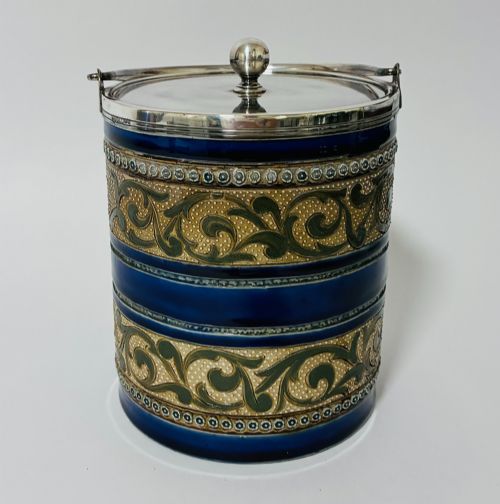
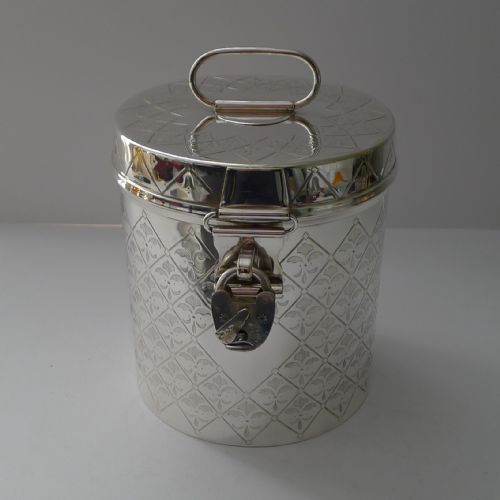
A silver plate biscuit caddy takes the form of a lidded box, barrel, or drum intended for formal dining rooms. You will most frequently meet Victorian and Edwardian examples made from silver plate combined with oak, cut glass, or earthenware.
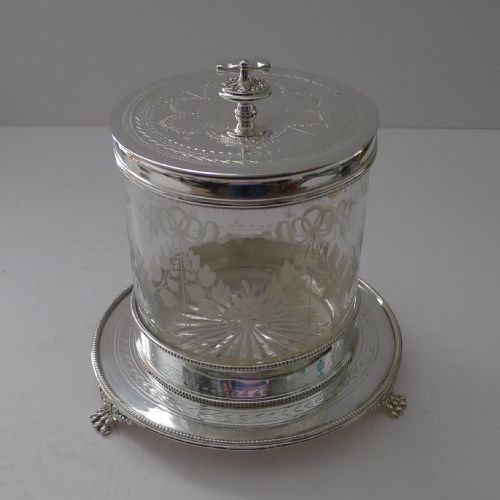
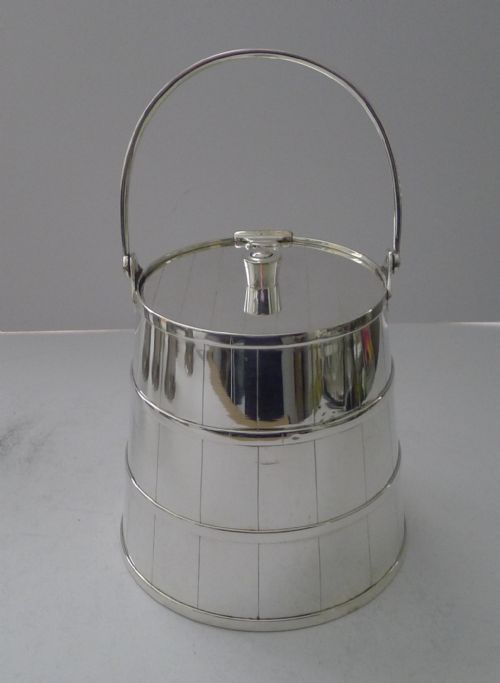
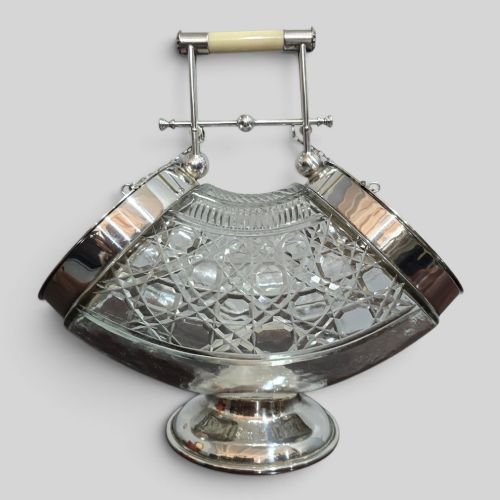
Makers produced various structural formats, including folding shell designs, pierced frames with glass liners, and novelty shapes such as weights. These pieces reflect the dining customs of the nineteenth and early twentieth centuries.
Materials and construction
Manufacturers plated base metals with silver to achieve the appearance of solid silver at a lower cost. Silver plate mounts were secured to turned oak bodies, ceramic bodies from potteries like Doulton Lambeth and Carlton Ware, or heavy cut glass vessels.
Hinged mechanisms, locking bars, and swing handles required precise metalworking to ensure lids sealed properly against moisture. Etched glass liners and ceramic inserts were shaped specifically to fit the outer metal frames.
Silver Plate Biscuit Caddy Retail Price Guide 2026
Typical asking prices for silver plate biscuit caddy among the pieces listed under this phrase on Sellingantiques today, from the lower quarter to the upper quarter. They describe what is for sale here now, not the wider market.
Several makers produced novelty biscuit boxes shaped precisely as heavy iron weights.
Judging the quality
Quality rests upon the weight of the silver plating and the robustness of the inner liners, whether glass or ceramic. Thicker plating resists wear from daily handling and cleaning over decades.
The refinement of the mechanism, from simple hinged lids to automated or locking actions, distinguishes standard production from superior maker output. Integrity across mixed media, such as tight joints in oak barrels and unchipped cut glass, dictates the standing of a piece.
Mappin & Webb·Elkington & Co·John Grinsell & Sons·Doulton Lambeth·Carlton Ware
The Silver Plate Biscuit Caddy Glossary
- Silver plate
- A thin layer of silver applied to a base metal substrate, such as nickel silver or copper. This technique allowed silversmiths to produce large decorative items economically.
- Cut glass
- Glass decorated by cutting facets or patterns into the surface using a rotating wheel. It provides weight and sparkle when paired with silver mounts.
- Flow blue
- A cobalt blue transfer printing technique where the colour bleeds slightly into the surrounding glaze during firing. This creates a soft, blurred effect on ceramic bodies.
Silver Plate Biscuit Caddy: Frequently Asked Questions
How were biscuit caddies used?
Victorians used these containers to serve dry biscuits after dinner or during afternoon tea. The lidded design kept the contents fresh and protected them from humidity in the dining room.
Servants brought them to the table as part of the formal dessert course before guests selected their food. They functioned as both practical storage and decorative tableware.
What materials are inside the metal frames?
Many caddies feature fitted glass liners, cut glass bodies, or ceramic inserts made by potteries such as Doulton Lambeth. Others use solid oak barrels banded with silver plate.
These interior materials held the biscuits directly, protecting the outer metal plating from crumbs and moisture while adding contrasting texture and colour.
How can I date a biscuit barrel?
Dating relies on maker marks stamped into the metal mounts, combined with stylistic clues such as Edwardian floral motifs or heavy Victorian oak construction. Patent numbers or registry marks often provide specific production years.
The integration of specific ceramic bodies or hobnail cut glass styles also points directly to periods like the late nineteenth century.