
Silver Plate Barware
Silver plate barware brings together the functional elegance of cocktail shakers, wine coolers, and serving trays from across the nineteenth and twentieth centuries.
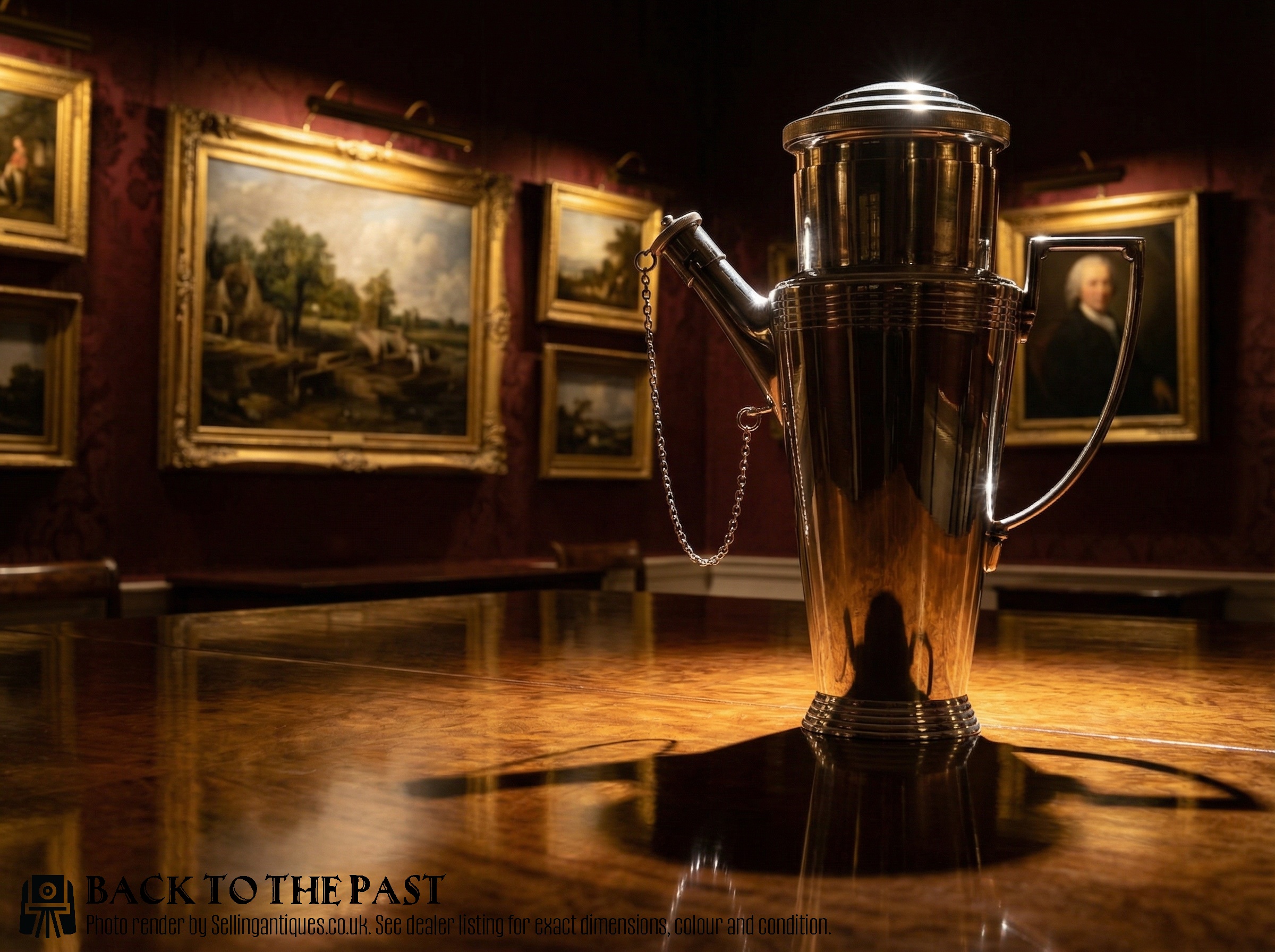
Silver Plate Barware
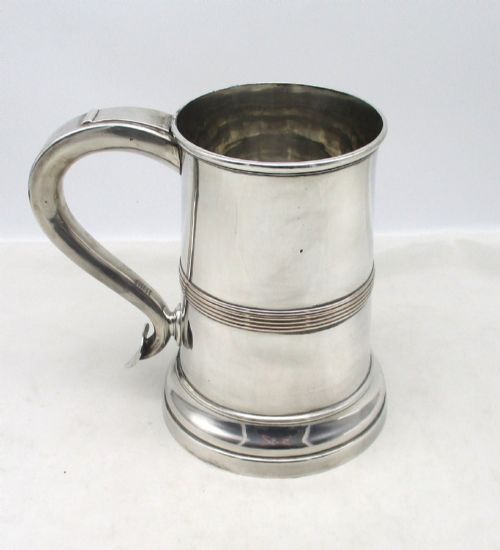
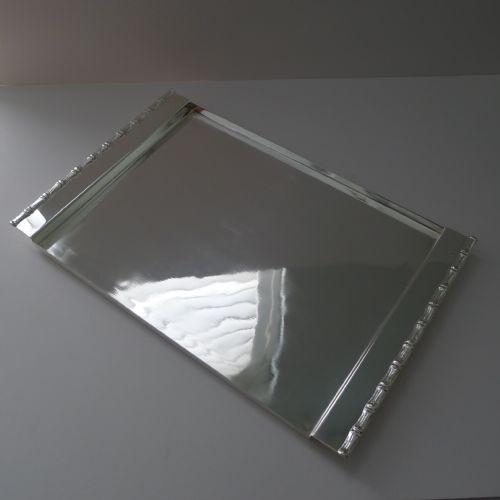
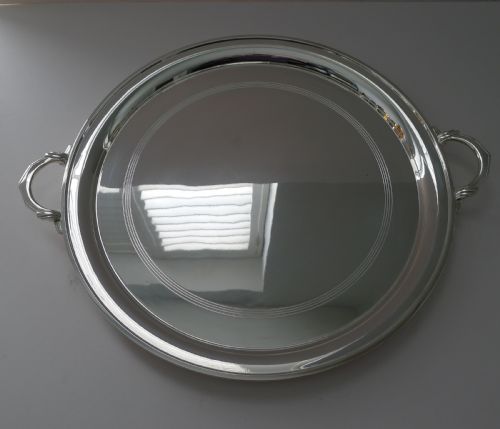
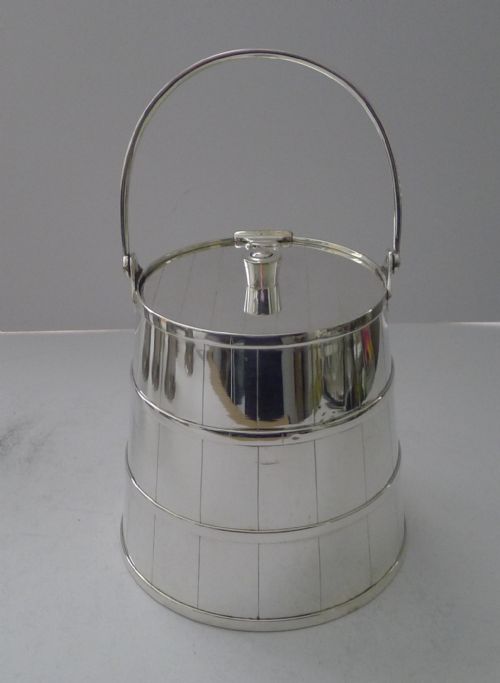
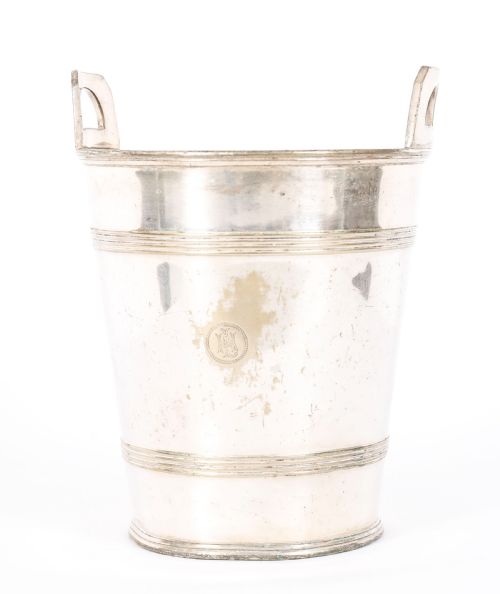
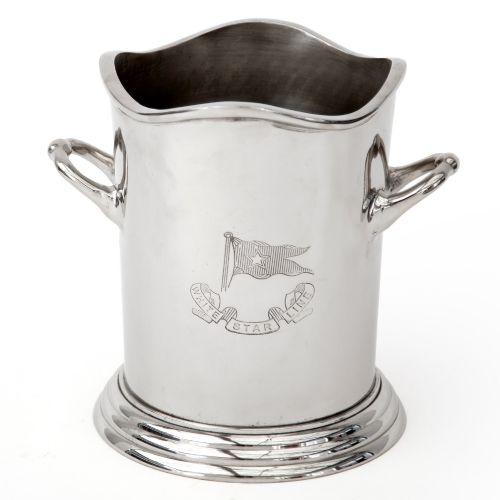
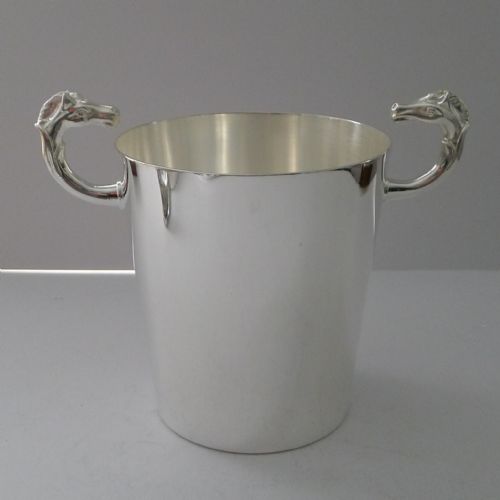
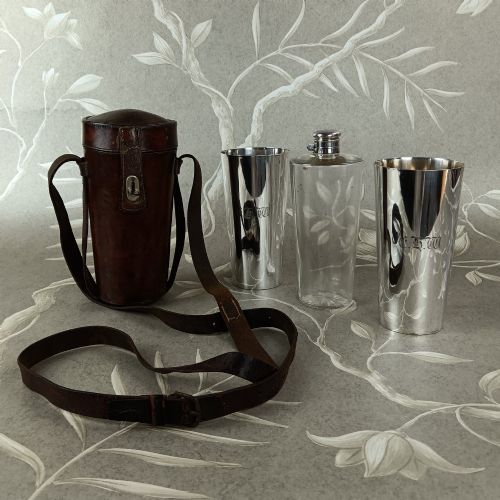
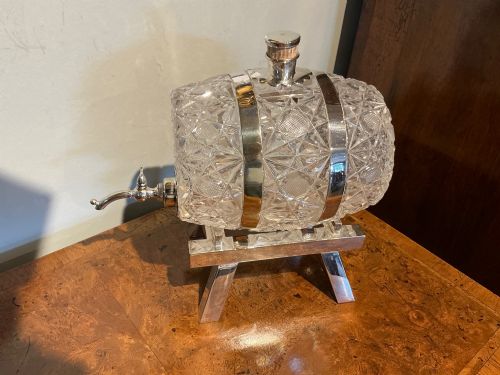
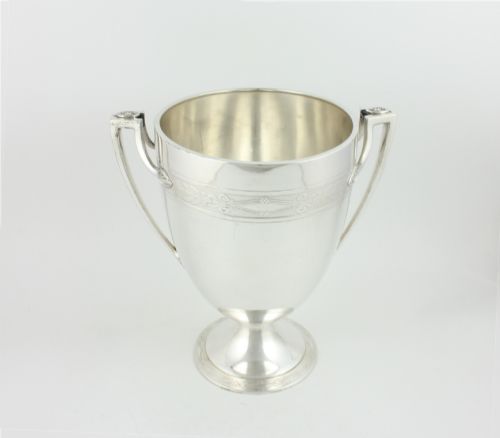
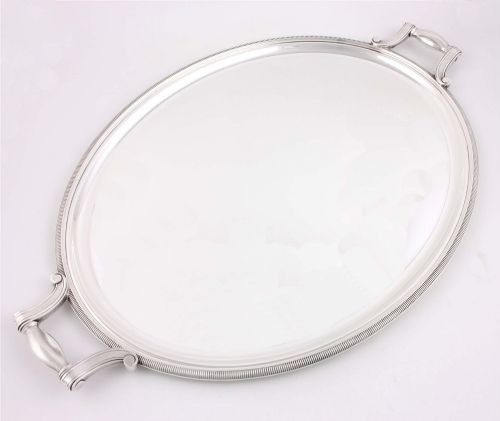
Silver plate barware encompasses a diverse range of serving pieces and drinking accessories designed for entertaining, spanning periods from the Victorian era through the mid-twentieth century. Collectors encounter everything from heavy wine coolers and champagne buckets to novelty cocktail shakers, spirit barrels, and intricately handled serving trays.
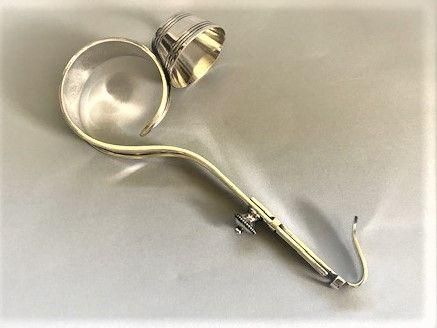
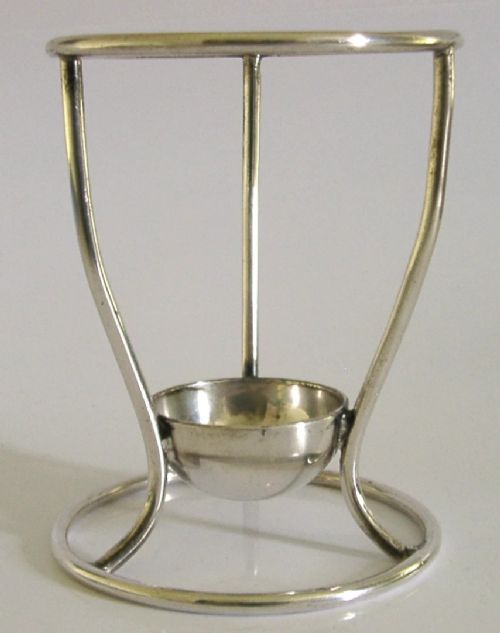
The selection frequently includes specialised forms such as bottle holders, tantalus sets, lemon squeezers, and ice buckets that reflect changing social habits across different decades. Pieces range from the substantial manufacturing of late nineteenth century makers to the geometric precision of Art Deco design and the playful modernist statements of the 1960s.
Materials and Construction
Manufacturers built these objects using base metals or electroplated nickel silver as a substrate, applying a layer of silver plate to create a durable, reflective surface. Many pieces incorporate cut glass, cut crystal, or crackle glass elements combined with metal mounts, hinges, and handles.
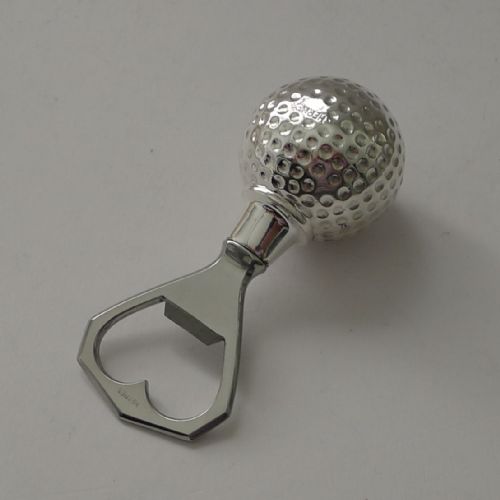
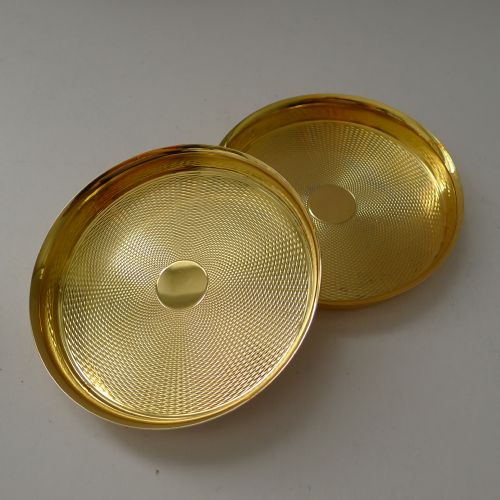
Makers also utilised copper, wood, and vermeil finishes on specific items like bottle openers, coasters, and spirit sets. This combination of glass and plated metal demanded careful soldering and joining techniques to ensure watertight integrity in items meant for ice and wine.
Silver Plate Barware Retail Price Guide 2026
Typical asking prices for silver plate barware among the pieces listed under this phrase on Sellingantiques today, from the lower quarter to the upper quarter. They describe what is for sale here now, not the wider market.
Materials across the inventory include electroplated nickel silver, cut crystal, crackle glass, copper, base metal, and vermeil.
Assessing Quality
Quality rests in the weight of the metal, the crispness of chased or stamped ornamentation, and the structural integrity of joints and handles. Superior items maintain an even distribution of the silver layer across high-wear points and retain the original clarity of their glass components.
The distinction between standard commercial production and finer work appears in the execution of functional details, such as smooth-operating locking mechanisms on tantalus sets or well-balanced weight in cocktail shakers and trays.
Mappin & Webb·Hutton Sheffield·James Dixon & Sons·Christofle·Walker & Hall·Elkington Mason & Co·Hukin & Heath·Brook & Son·PH Vogel·Hermes Paris
The Silver Plate Barware Glossary
- Electroplated Nickel Silver
- A copper, nickel, and zinc alloy coated with a layer of pure silver through an electrolytic process. This method became standard for producing durable tableware and bar accessories from the nineteenth century onward.
- Tantalus
- A locking drink cabinet frame that holds decanters securely while displaying their contents, designed to prevent unauthorized access. The wooden or metal framework typically requires a key to release the stoppers.
- Old Sheffield Plate
- An early method of fusing a thin sheet of silver to a thicker copper ingot before rolling them together into sheets for fabrication. This technique creates a distinctive edge where the underlying copper shows through wear.
- Vermeil
- Sterling silver or silver-plated metal that has been coated with a layer of gold. This finish appears on select specialty items such as coasters and decorative accessories.
- Bachellor Shaker
- A smaller cocktail shaker designed for single servings rather than multiple drinks. These compact vessels often feature built-in strainers and unique mechanical details.
Silver Plate Barware: Frequently Asked Questions
How do I clean silver plated barware?
Wash pieces gently in warm, soapy water using a soft cloth and dry them immediately to prevent spotting. Avoid harsh chemical dips that can strip the underlying plate, opting instead for dedicated silver cream when necessary.
For items with glass inserts, remove the glass before cleaning the metal frame. Take particular care around soldered joints and engraved crests to preserve the remaining silver layer.
What is an antique tantalus?
A tantalus is a locking bar accessory that holds decanters in place with a security bar across the stoppers. Victorian and Edwardian households used them to secure spirits from servants or guests while keeping them visibly displayed.
Most examples combine a wooden base with silver-plated frames and handles. The locking mechanism typically requires a key to tilt or lift the retaining bar and release the decanters.
How can I date my silver plated barware?
Dating relies on maker marks, style indicators, and manufacturing techniques recorded across different periods. Victorian and Edwardian pieces often feature registration numbers, Victorian patent stamps, or heavy cast mounts.
Art Deco items from the 1920s and 1930s typically display geometric forms, milk churn silhouettes, or streamlined handles. Mid-century pieces from the 1950s and 1960s introduce modernist Italian influences and novelty animal motifs.
What is the difference between a wine cooler and an ice bucket?
Wine coolers and champagne buckets are generally deeper vessels engineered to hold a bottle submerged in ice and water. They often feature sturdy side handles and heavy-gauge metal construction to maintain temperature.
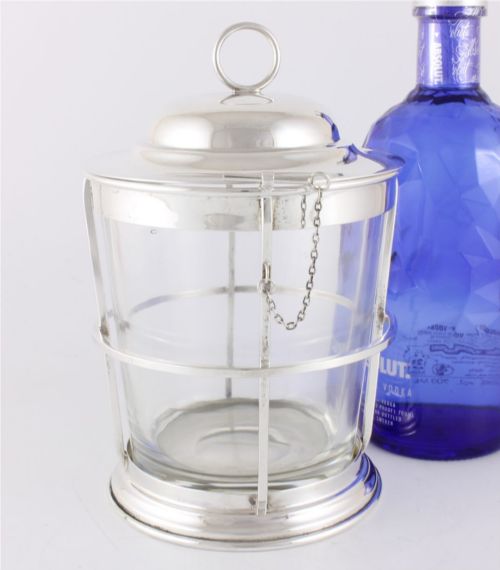
Ice buckets are designed specifically to hold ice cubes for serving, frequently incorporating insulating glass linings, lids, or matching tongs. Many antique examples utilise novelty forms like barrels or ship's lanterns for decorative effect.