


Silver Paste Pin
A silver paste pin offers the brilliance of high-value gemstones set in sparkling silver, bringing historical glamour straight to your lapel.
Silver Paste Pin
A silver paste pin brings together centuries of decorative metalwork and hand-faceted glass designed to imitate precious gems. The selection ranges from Georgian pieces right through to Art Deco and 1940s designs.
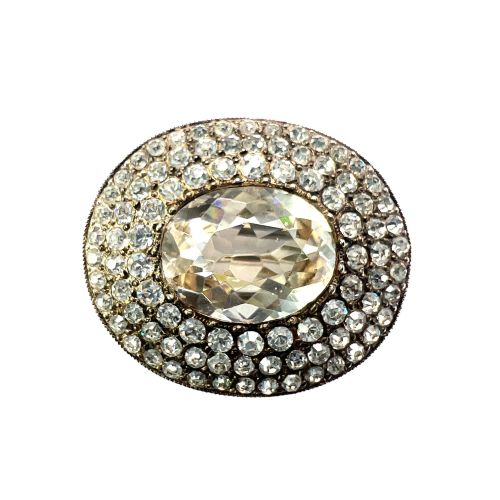
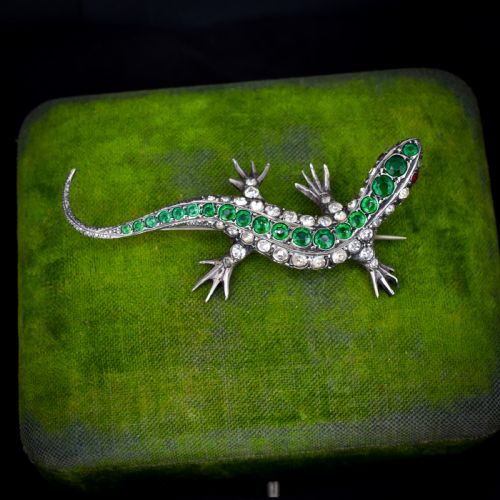
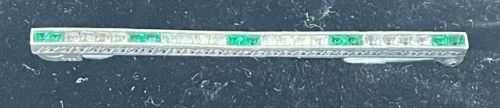
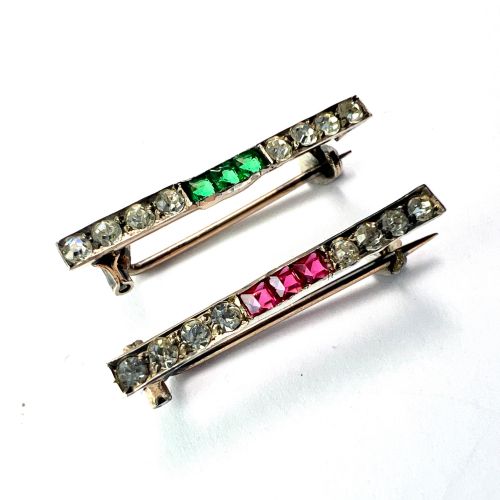
The most common form you will encounter on this page is the brooch, spanning animal motifs like lizards, floral baskets, and geometric bar shapes. These items were fashioned to be worn prominently on garments, hats, and scarves.
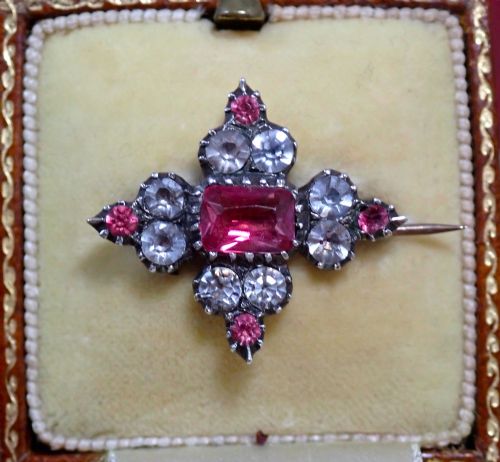
Evidence shows a strong representation of Victorian and Edwardian examples, alongside Georgian items featuring characteristic closed-back settings and gold-topped silver construction. Pieces extend from the nineteenth century into the twentieth century with distinct stylistic shifts.
Materials and construction
Makers set hand-cut paste glass into silver, sterling silver, or silver gilt, frequently combining gold with silver in earlier items. Some pieces incorporate alternative stones like chalcedony, onyx, or marcasite alongside the glass.
Techniques relied on careful metalwork to hold individual glass stones, which were cut by hand to catch the light in imitation of diamonds, emeralds, rubies, and sapphires. Settings range from closed-back foils in older periods to open-backed mounts in later designs.
Listings feature silver paste items spanning the Georgian, Victorian, Edwardian, and Art Deco periods, alongside 1940s retro designs.
Judging quality and execution
Quality rests on the precision of the stone-cutting and the subtlety of the metalwork, where superior examples display hand-cut facets that mimic genuine gemstones convincingly. The integration of secondary materials like gold or silver gilt alters the visual weight and finish.
Design complexity and the integrity of the original setting separate standard items from finer works of craftsmanship. Well-executed pieces maintain secure stones and balanced proportions across intricate motifs such as floral baskets and animal forms.
Charles Horner
The Silver Paste Pin Glossary
- Paste
- Hand-cut and polished lead glass used to imitate precious gemstones. It has a high refractive index that gives it strong brilliance under candle or electric light.
- Giardinetti
- A small garden motif jewellery style popular in the eighteenth and nineteenth centuries. These pieces depict miniature flower baskets or pots filled with colourful paste stones.
- Jabot pin
- A decorative pin originally designed to fasten folds of fabric on a jabot cravat. They often feature an elongated pin stem with an ornamented terminal.
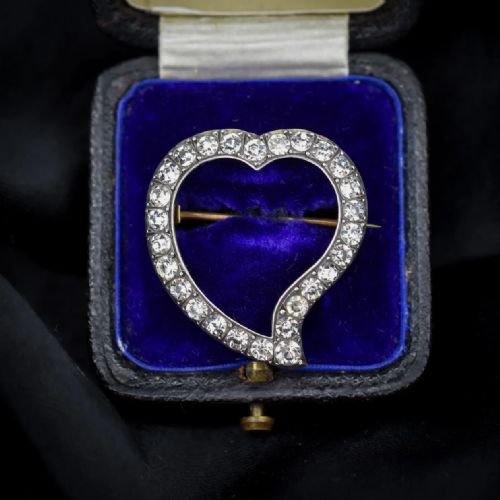
- Witches heart
- An amuletic heart shape with a twisted tail, popular in historic jewellery. The form symbolises romantic entrapment and affection.
- Silver gilt
- Silver that has been coated with a thin layer of gold on its surface. This technique provides the warm tone of gold combined with the structural properties of silver.
Silver Paste Pin: Frequently Asked Questions
What is a silver paste pin?
It is a decorative garment fastener made from silver and set with faceted lead glass designed to imitate precious gemstones. These items span multiple historical periods from the Georgian era to the mid-twentieth century.
Craftsmen created them to offer accessible luxury, allowing wearers to display elaborate designs without using high-cost gems.
How do I wear an antique brooch?
These pieces suit heavy fabrics such as wool coats, thick scarves, or tailored lapels where the weight of the silver and glass is supported securely. Ensure the safety catch or pin mechanism is fastened properly before wear.
Many collectors also pin them to hats, bags, or formal evening sashes to replicate historic styling methods.
How can I tell a Georgian paste pin from a Victorian one?
Georgian pieces often feature closed-back metal settings where foil sits behind the glass to enhance colour and reflection. They may also combine silver with gold on the front surface.
Victorian and later examples frequently transition to open-backed settings and different structural proportions, reflecting changing manufacturing techniques of the nineteenth century.
Are paste stones fragile?
Lead glass is softer than diamond or ruby, meaning the facets can suffer from abrasion or surface wear if rubbed against hard objects. Store each piece separately to prevent the stones from scratching.
Gentle cleaning with a soft cloth preserves the metal and glass without damaging the historic foil backings found in older settings.