


Victorian Silver Paste Jewellery
Victorian silver paste jewellery offers the brilliance of high-value gemstones captured through intricate glasswork and silver settings.
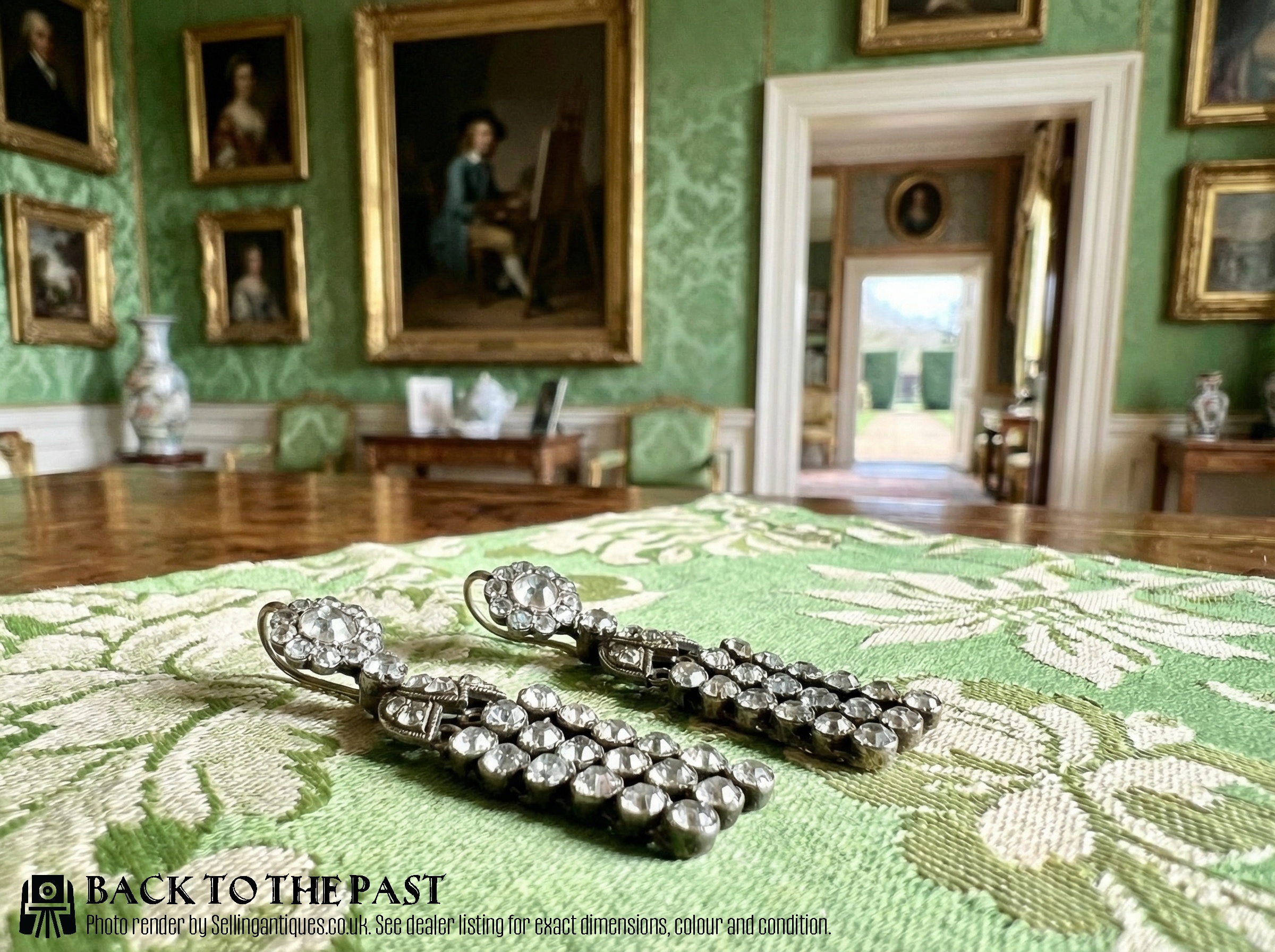
Victorian Silver Paste Jewellery
The selection extends from delicate screwback earrings and tassel drops to substantial crescent brooches and demi parures featuring coloured glass stones. Pieces often integrate mixed metals such as gold alongside sterling silver, reflecting the eclectic design sensibilities of nineteenth century workshops and later revival periods.
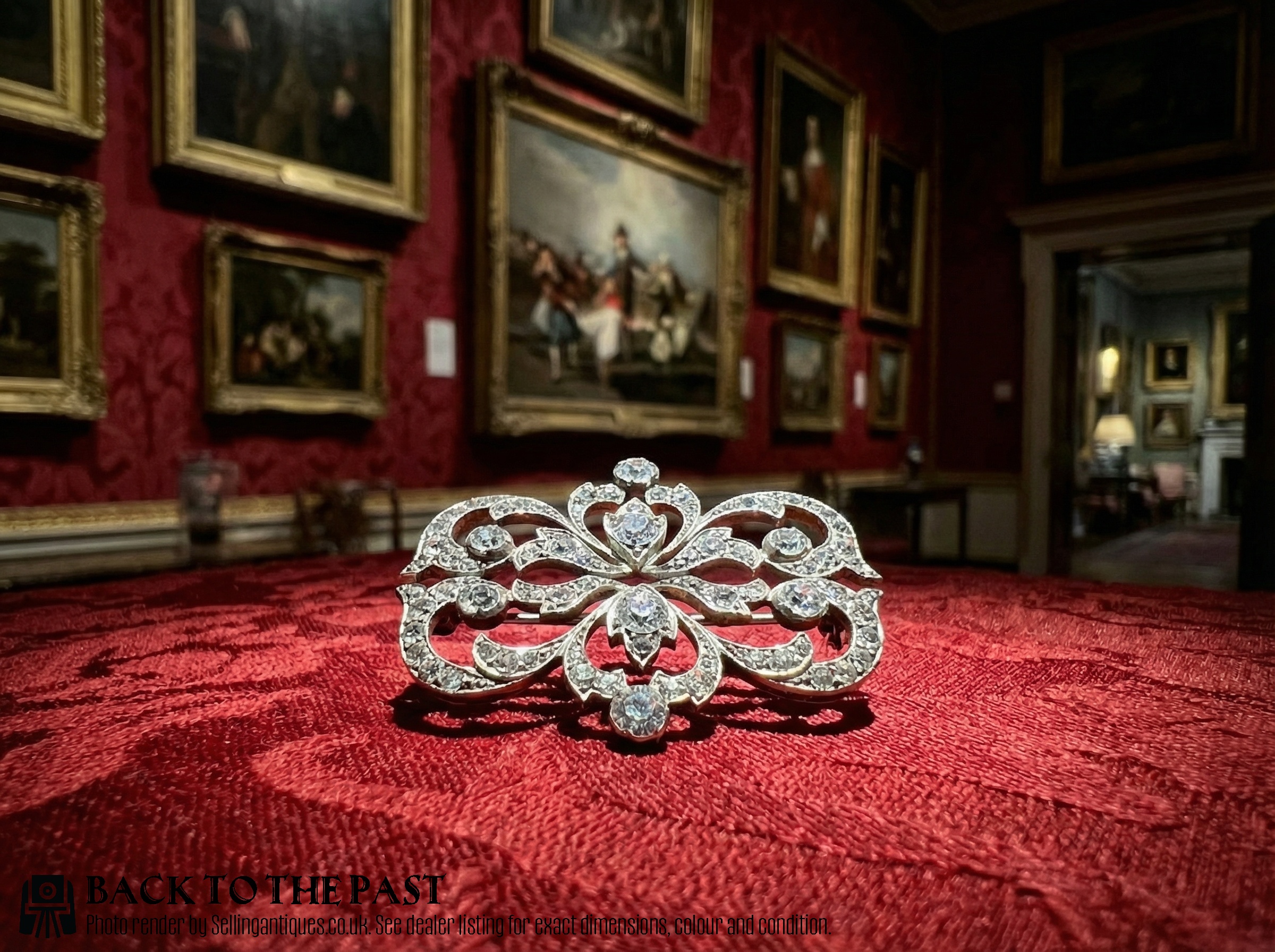
Materials and construction
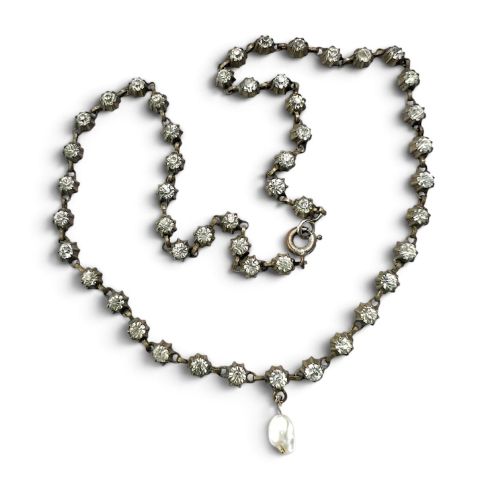
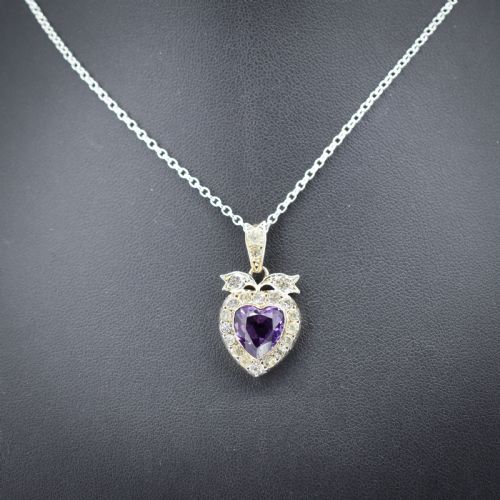
Maker construction relies heavily upon sterling silver and fine silver settings, occasionally combined with 9ct gold or silver gilt to enhance the visual depth of the mount. Stones are fashioned from glass paste, sometimes foiled to intensify reflectivity, and paired with natural elements such as pearls, rock crystal, chalcedony, and amethyst.
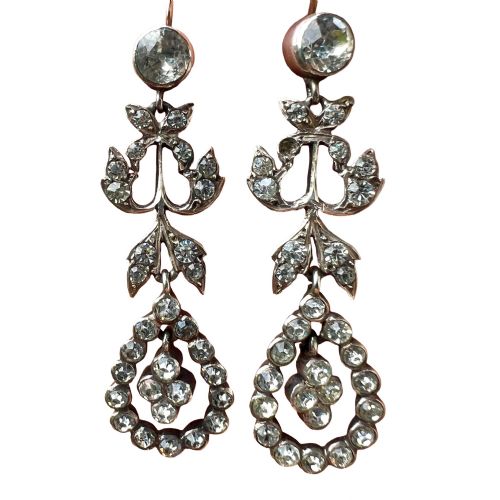
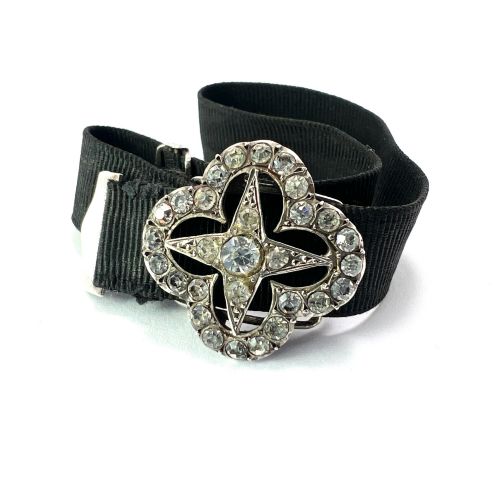
Techniques visible across the inventory include delicate filigree work, old cut stone settings, and secure prong arrangements designed to hold faceted glass securely within complex motifs like flower baskets, stars, and ribbons.
Materials recorded in current items include sterling silver, 9ct gold, paste glass, pearls, rock crystal, and chalcedony.
Craftsmanship and design
Quality in these items is determined by the precision of the stone cutting and the complexity of the metalwork, distinguishing refined workshop production from simpler output. Superior pieces display carefully faceted old cut paste that mimics genuine gemstone brilliance, held within meticulously chased silver filigree or multi-layered mounts.
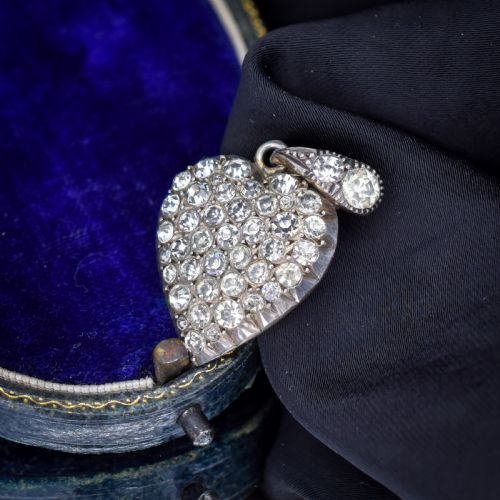
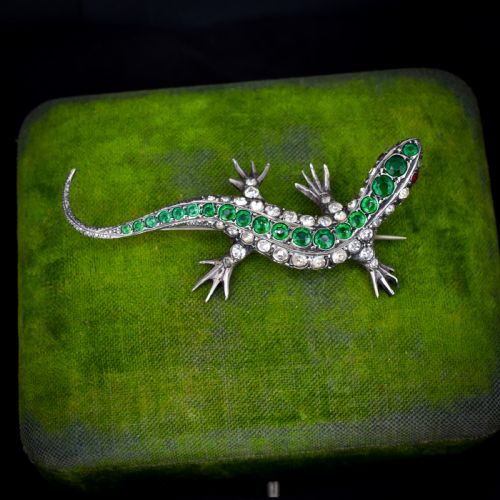
The integration of supportive materials, such as the harmonious combination of silver and gold or the inclusion of supplementary pearls and enamel, elevates the aesthetic coherence of a piece. Better examples maintain crisp detail in figurative motifs like lizards, hearts, and floral baskets, where every stone contributes to a balanced composition.
Knoll & Pregizer
The Victorian Silver Paste Jewellery Glossary
- Paste
- A heavy, highly refractive type of lead glass that is hand-cut and polished to imitate gemstones. It was widely utilised in Georgian and Victorian jewellery for its remarkable brilliance.
- Demi parure
- A matched set of jewellery consisting of two or three complementary pieces, typically comprising a brooch and matching earrings.
- Giardinetti
- A style translating to little garden, depicting a flower pot or basket filled with gemstone or paste flowers.
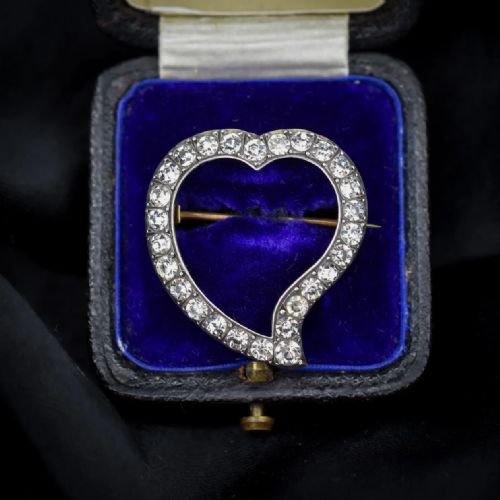
- Witches heart
- A looped heart shape associated with romance and protection, frequently set with old cut paste stones.
- Filigree
- Delicate ornamental work of fine silver wire intertwined to create openwork patterns resembling lace.
Victorian Silver Paste Jewellery: Frequently Asked Questions
How do I wear antique paste earrings safely?
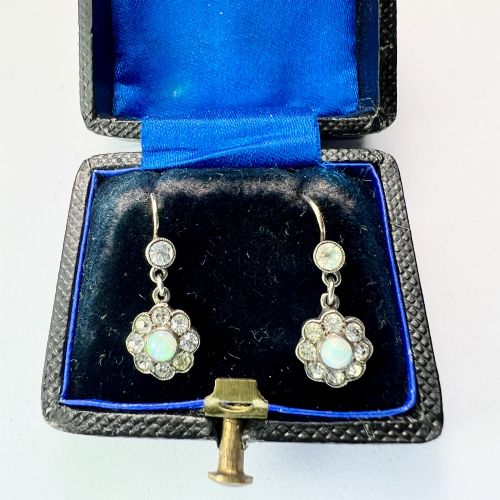
Many surviving pairs utilise screwback mechanisms rather than standard posts, allowing them to be adjusted comfortably on non-pierced lobes. Handle the settings with care when fastening them to avoid putting pressure on the delicate silver wirework.
Store each earring separately in a soft pouch to protect the glass facets from scratching against other metal items.
How can I tell Victorian paste from later pieces?
Victorian examples often employ specific metal combinations, such as fine silver paired with 9ct gold backs, alongside hand-cut old cut paste stones. The construction methods visible on the reverse, including closed-back settings or hand-carved mounts, point directly to nineteenth-century workshop practices.
Later Edwardian and Art Deco variations tend to feature lighter sterling silver filigree and brighter, more stylised geometric arrangements.
Were these pieces meant to deceive viewers?
Historical paste jewellery was rarely intended as a cheap imitation to fool observers; rather, it was valued as an artistic medium in its own right. Wealthy individuals frequently wore fine paste alongside or instead of real gemstones for travel or evening galas.
The craftsmanship involved in mounting glass paste into precious silver and gold matched the standards applied to precious gems of the era.