


Silver Paste Jewellery
Silver paste jewellery offers the brilliance of gemstones through hand-cut glass, mounted in silver across eras from the Georgian period to Art Deco.
Silver Paste Jewellery
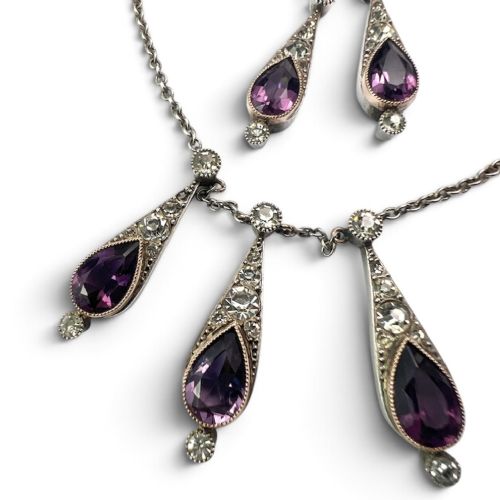
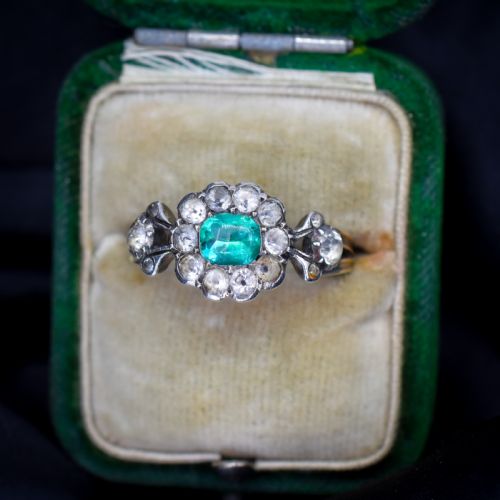
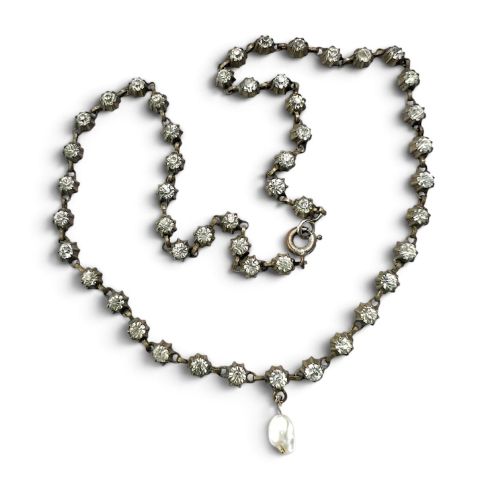
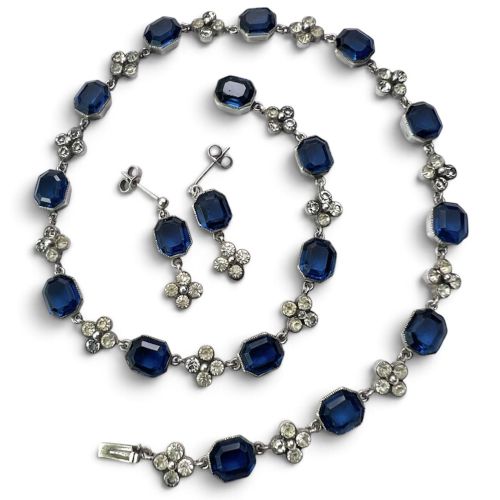
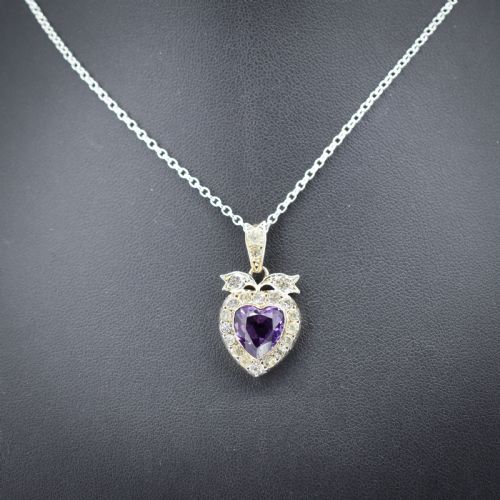
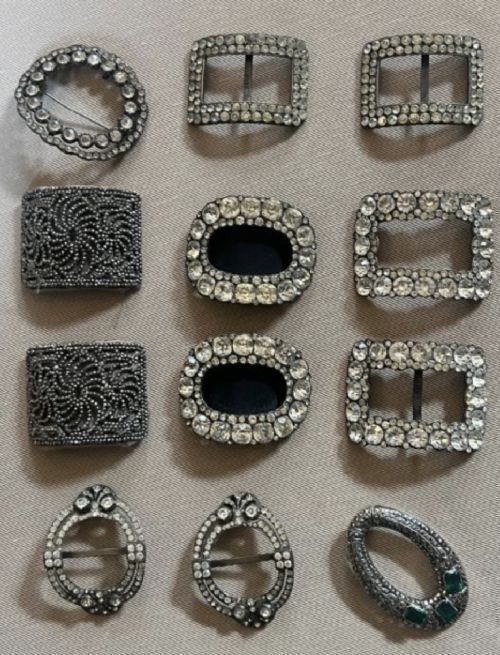
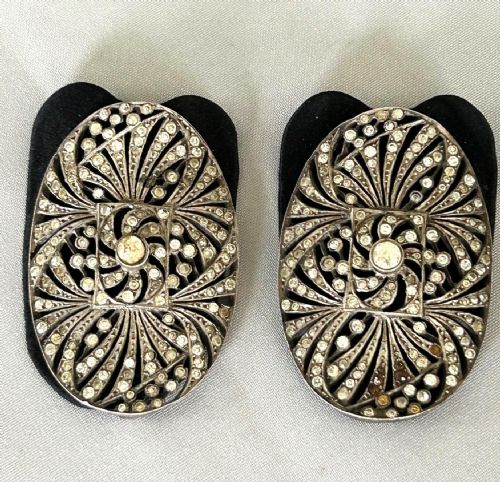
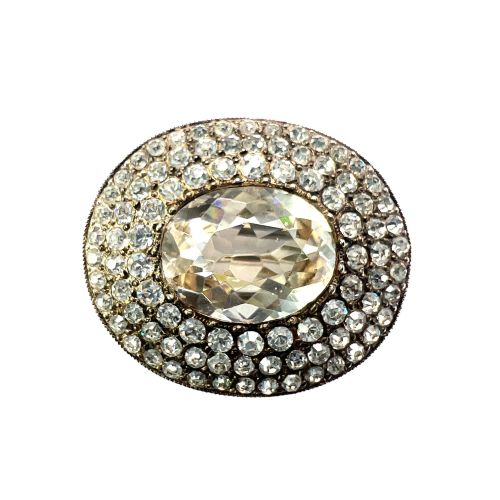
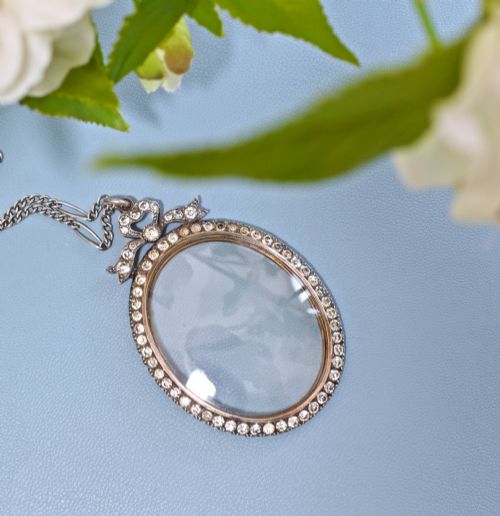
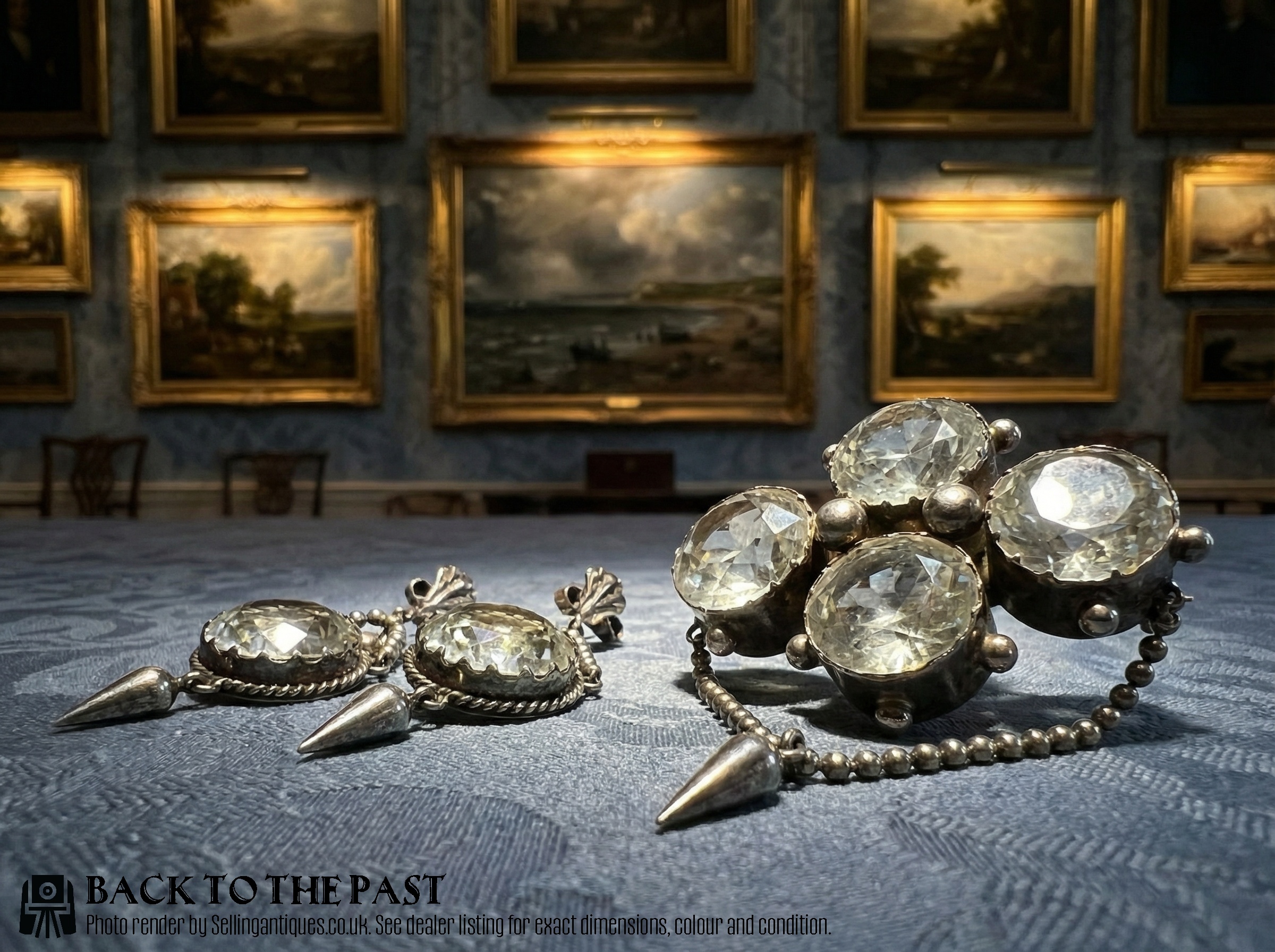
Silver paste jewellery comprises decorative ornaments set with faceted glass designed to imitate precious stones. When searching for silver paste jewellery, buyers encounter a diverse range of forms including rings, brooches, necklaces, earrings, shoe buckles, and lockets.
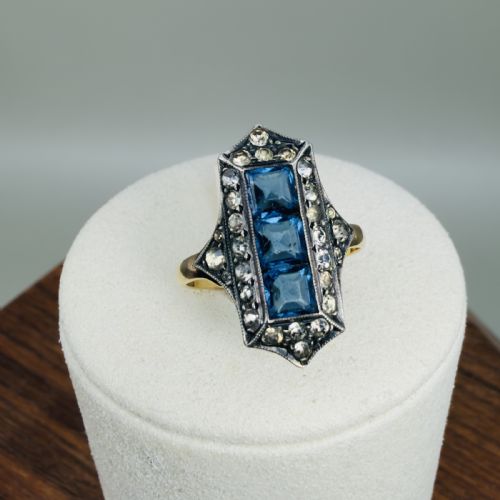
The objects span multiple periods, with pieces originating from the Georgian, Victorian, Edwardian, and Art Deco eras, alongside later mid-century examples. Common configurations feature colourful or clear glass stones hand-set into silver mounts, sometimes combined with gold accents.
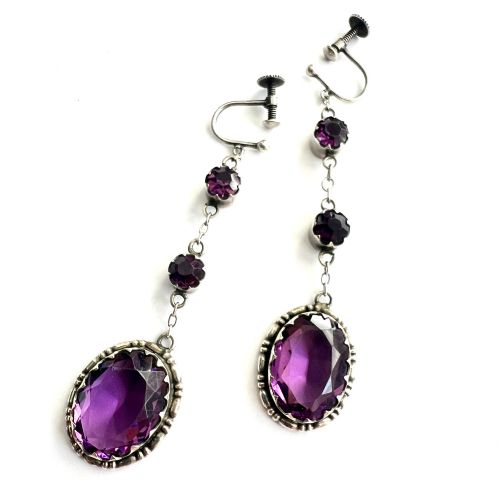
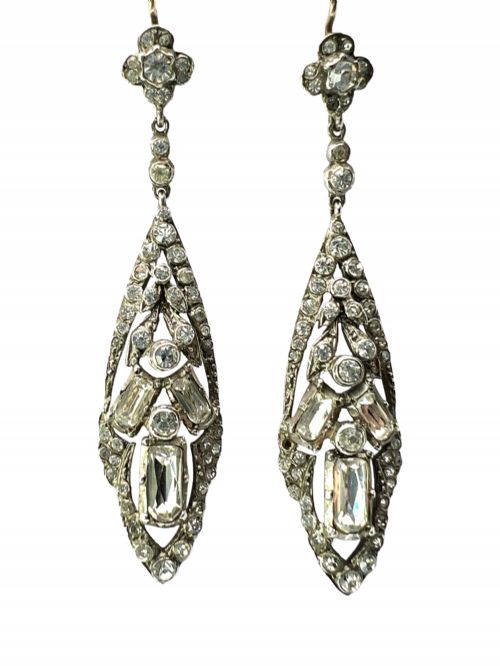
Survivors range from elaborate pendant necklaces and chandelier earrings to utilitarian items like shoe buckles and jabot pins. Each piece reflects the prevailing aesthetic of its time, moving from Georgian foil-backed clusters to geometric Art Deco designs.
Materials and construction
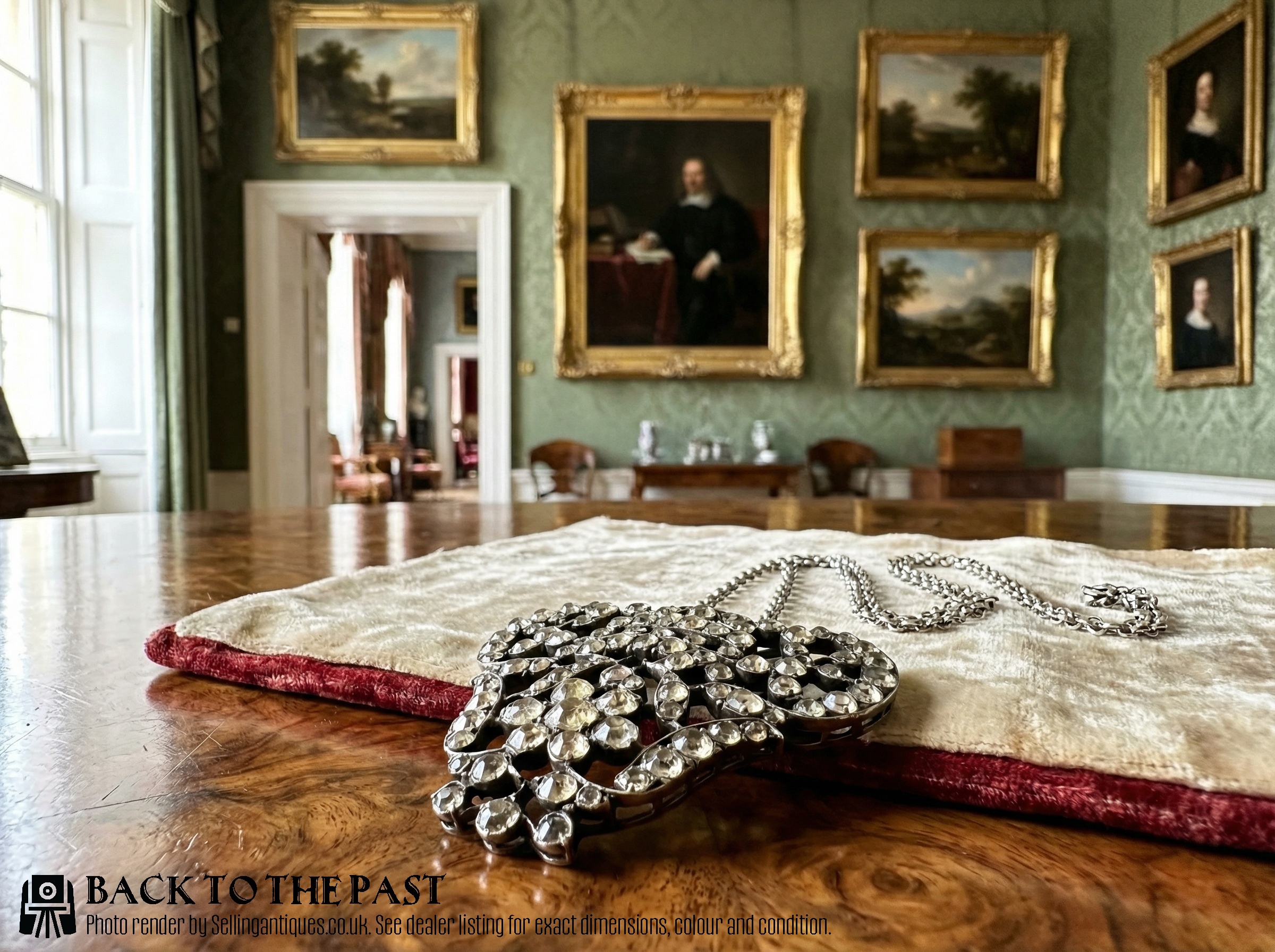
Items are constructed primarily using silver or sterling silver, frequently paired with gold, 9ct gold, or gilt elements to enhance the setting. The decorative stones consist of glass paste, often hand-cut and occasionally enhanced with foil backs to amplify light reflection and colour depth.
Techniques involve intricate metalwork such as filigree, closed-back collet settings in earlier periods, and claw or bezel settings in later decades. Additional materials like pearls, crystals, and steel filigree frequently complement the paste stones within the overall design.
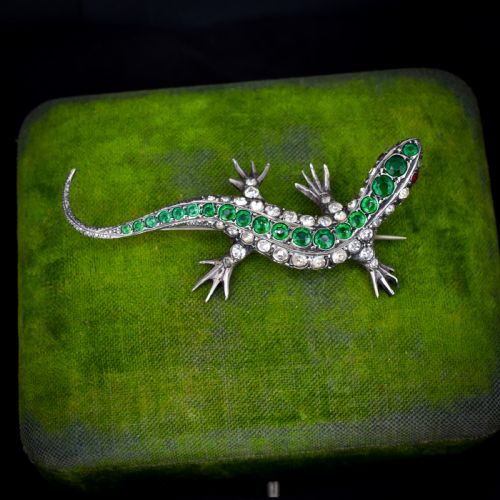
Lizards scale the collection in silver and green paste, proving that Victorian makers loved creeping reptiles just as much as geometric bows.
Quality variations
Distinctions in quality often depend on the precision of stone cutting and the integrity of the metal setting. Hand-cut old cut paste stones display distinct facet arrangements that differ from later, more uniform machine-cut stones.
The complexity of the metalwork, such as fine wirework filigree or integrated gold components, elevates a piece. Superior examples maintain secure stone settings and original patination on the silver mounts without intrusive modern repairs.
Charles Horner·Knoll and Pregizer
The Silver Paste Jewellery Glossary
- Paste
- Hand-cut lead glass designed to imitate diamonds and coloured gemstones. It was faceted and polished by hand in earlier centuries.
- Old cut
- A traditional hand-cutting style for stones predating modern brilliant cuts, featuring a smaller table and larger facets. This cut gives paste stones a softer, candlelit sparkle.
- Black dot paste
- A specific Georgian technique where a tiny dark spot was painted on the foil behind the stone to simulate the culet of a natural diamond. It is a key indicator of eighteenth-century and early nineteenth-century work.
- Filigree
- Delicate ornamental work made of fine silver wire soldered together in intricate patterns. It frequently appears on Victorian and Edwardian brooches and pendants.
- Witches heart
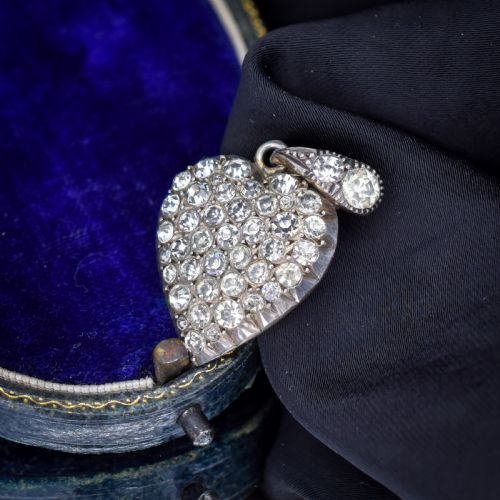
- A specific jewellery motif featuring an asymmetric heart shape with a twisted tail, popular during the Georgian and Victorian periods. These pieces often incorporate paste stones.
Silver Paste Jewellery: Frequently Asked Questions
What is paste jewellery?
Paste jewellery uses hand-cut lead glass instead of mined gemstones to achieve high-sparkle decorative effects. Craftsmen shape and polish the glass by hand before setting it into precious metals like silver.
While originally created as affordable alternatives or travel substitutes for real gems, these pieces became celebrated decorative art objects in their own right across the Georgian, Victorian, and Art Deco periods.
How do I date silver paste jewellery?
Dating relies on the combination of metalwork techniques, stone-cutting styles, and overall design motifs. Georgian and early Victorian pieces frequently feature closed-back settings and hand-cut stones with distinctive proportions.
Later Edwardian and Art Deco items display lighter mountings, geometric frameworks, or distinct manufacturing marks like sterling silver stamps. Comparing the physical construction methods to known historical periods provides the clearest chronological guide.
Can silver paste jewellery be worn daily?
Paste stones consist of glass, which is softer than natural diamonds, sapphires, or rubies. Consequently, regular daily wear requires caution to prevent scratching the facets or damaging foil-backed stones.
Owners generally reserve these delicate items for occasional wear, avoiding exposure to water, perfumes, and harsh cleaning chemicals that can degrade the delicate metal settings and foil inserts.
How do I clean antique paste jewellery?
Cleaning requires dry methods or extremely gentle surface wiping with a soft, non-abrasive cloth. Moisture must stay away from the stones because many antique paste pieces use foil linings behind the glass that water ruins permanently.
Immersing paste jewellery in liquid cleaner or ultrasonic baths will cause irreversible clouding or dark water spots beneath the stones. Consulting a specialist restorer remains the safest option for heavily soiled pieces.