






Silver Novelty Table Box
These silver novelty table box examples are clever conversation pieces that bring humour and sculptural presence to any surface.
Silver Novelty Table Box
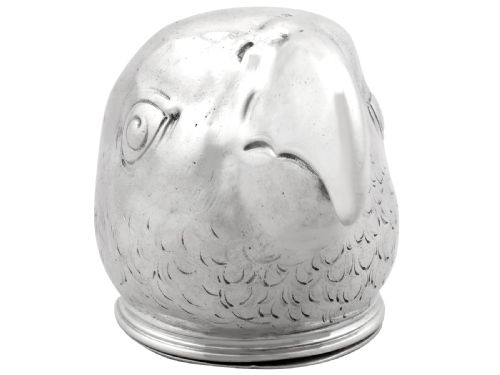
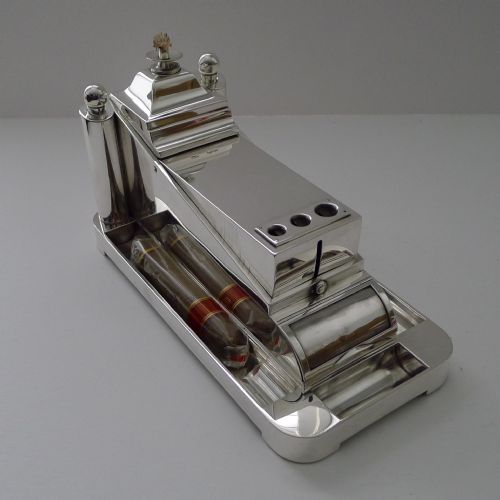
When you search for a silver novelty table box, you encounter pieces that disguise utility behind sculptural forms like animals, birds, weights, and sentry posts. These functional containers serve as sugar boxes, biscuit barrels, snuff boxes, and jewellery boxes.
The pieces on this page span the Victorian and Edwardian eras through to the early decades of the twentieth century. English workshops and continental makers, particularly in Germany, shaped these objects from sterling silver, silver plate, and mixed media.
You are most likely to meet animal figures such as owls, squirrels, grouse, and goats, alongside architectural or mechanical shapes like weights and fire carriages. These items double as tableware accessories and dressing table ornaments.
How they were made
Silversmiths constructed these boxes using sterling silver and silver plate, frequently mounting them over structural frames of oak, glass, and turtle shell. Many continental items utilise German silver and sterling grades shaped through casting and detailed hand chasing.
Interiors often feature fitted linings of velvet and silk to cushion contents such as jewellery, snuff, and sugar. Hinged lids, miniature wheels, and moving parts demonstrate intricate mechanical assembly alongside sculptural modelling.
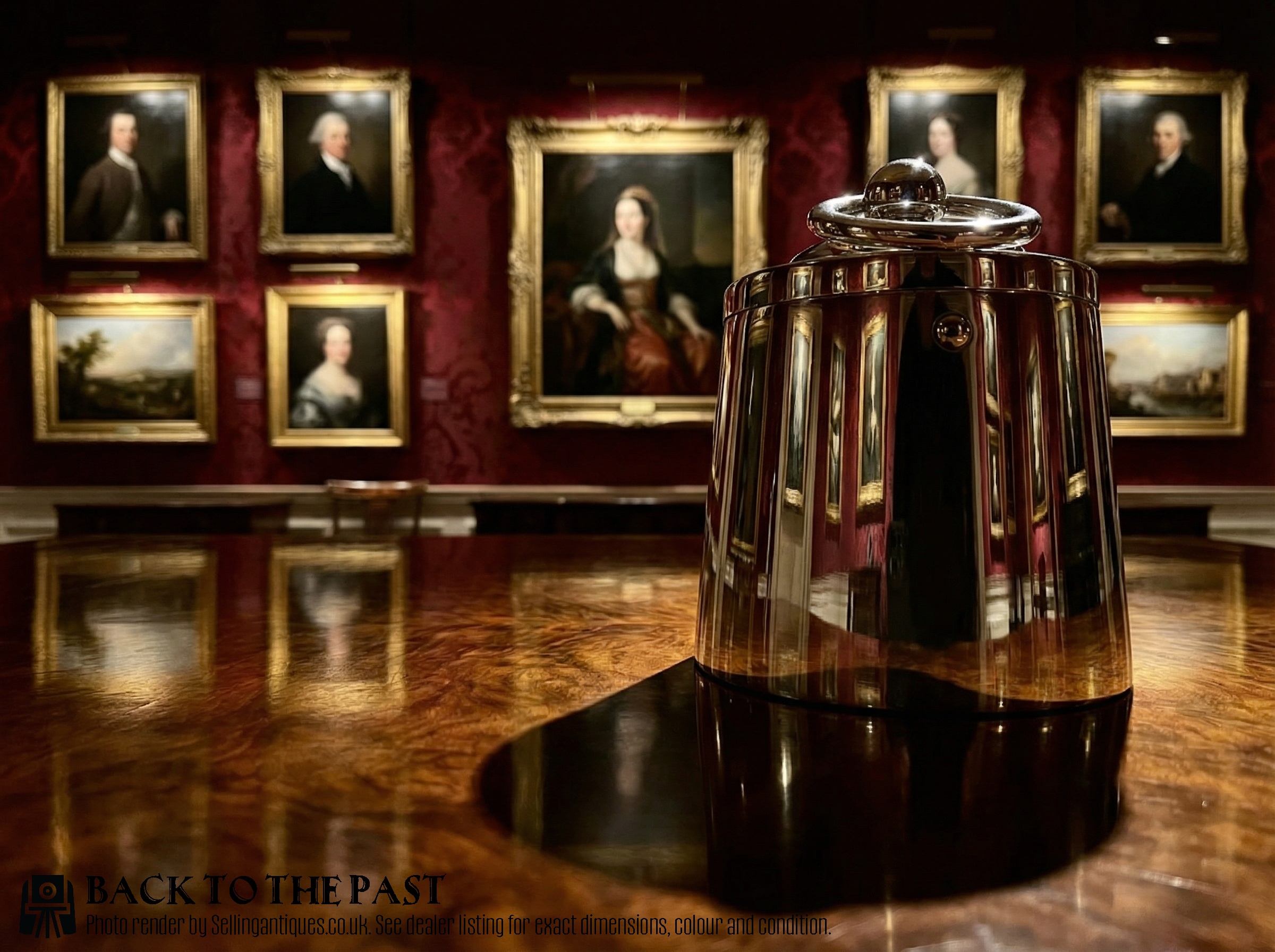
Several boxes disguise themselves entirely as mundane heavy objects, including a twenty-eight-pound weight and a standard postal scale.
What varies in quality
Quality rests upon the naturalism and precision of the sculptural modelling, separating stiffly rendered forms from lifelike animal figures with crisp feather and fur texture. The weight of the metal and the integration of functional compartments dictate the standard of the piece.
The sophistication of the opening mechanism and the preservation of interior silk and velvet linings distinguish superior examples. Pieces with fully articulated components or combined materials like glass and wood demonstrate greater ambition in manufacture.
Boaz Moses·Sampson Mordan
The Silver Novelty Table Box Glossary
- Sterling silver
- An alloy containing 92.5 percent silver by mass, forming the primary metal standard for British tabletop items.
- Chasing
- A metalsmithing technique where the artisan pushes metal from the front using hammers and punches to create raised surface relief.
- Silver plate
- A base metal substrate coated with a thin layer of silver, frequently utilised for larger containers such as biscuit barrels.
- Compendium
- A fitted box or cabinet holding multiple accessories, often used for smoking gear or condiments.
- Hallmark
- Official stamps struck into precious metals to indicate the assay office, standard of purity, and date of manufacture.
Silver Novelty Table Box: Frequently Asked Questions
What were novelty silver boxes used for?
These containers held domestic items like sugar, biscuits, snuff, and matches while sitting upon tables and sideboards.
Their disguise as animals or everyday objects allowed hosts to entertain guests through playful utility.
How do I date a silver novelty box?
Dating relies primarily on hallmarks stamped into the metal, which indicate specific assay years and maker marks.
Stylistic cues such as Victorian Gothic elements or Edwardian naturalism also help narrow the period of creation.
Where were these novelty pieces manufactured?
Production occurred across English workshops in centres like London and Birmingham, alongside continental European makers.
German silversmiths, particularly in Hanau, produced a distinct group of figural animal containers during this period.