


Silver Novelty Shaker
A silver novelty shaker brings wit to the table, taking the form of animals, birds and household objects to dispense salt, pepper or cocktails.
Silver Novelty Shaker
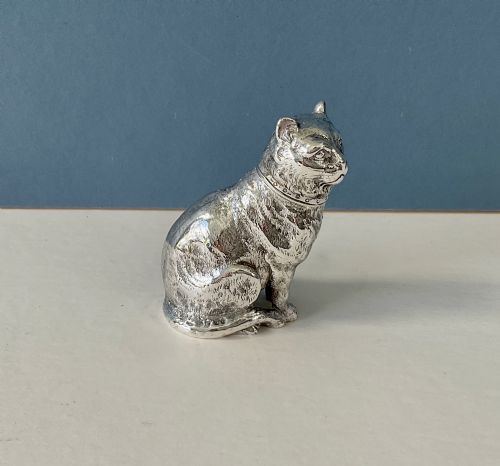
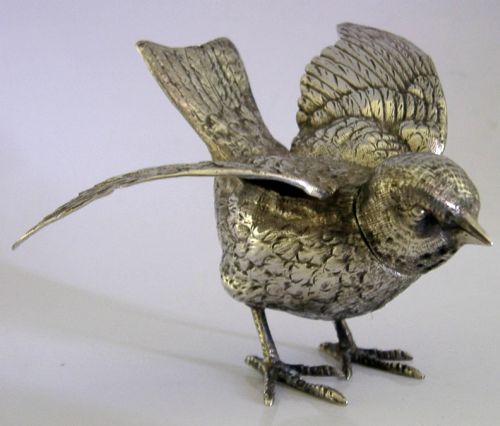
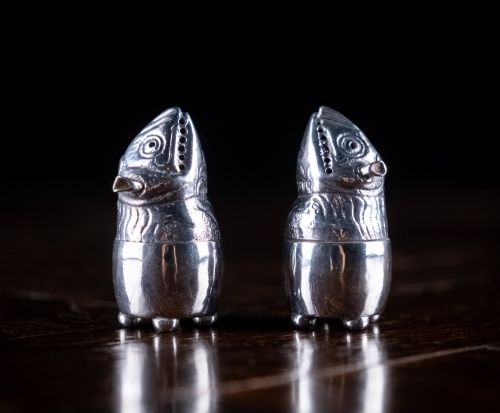
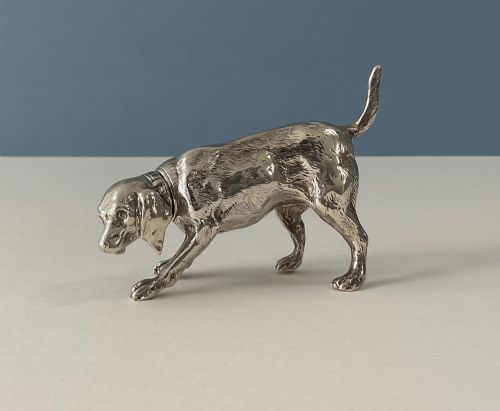
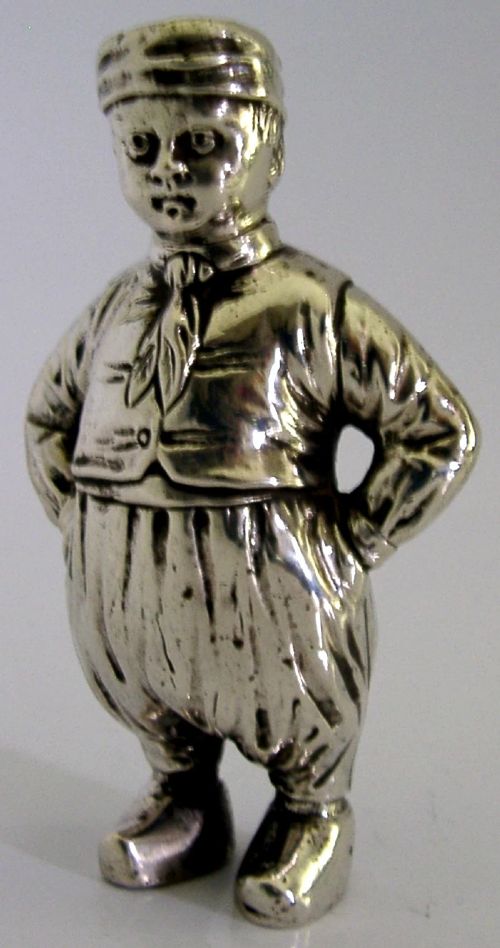
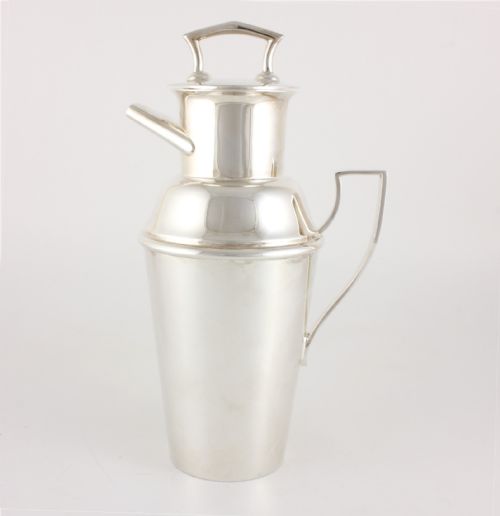
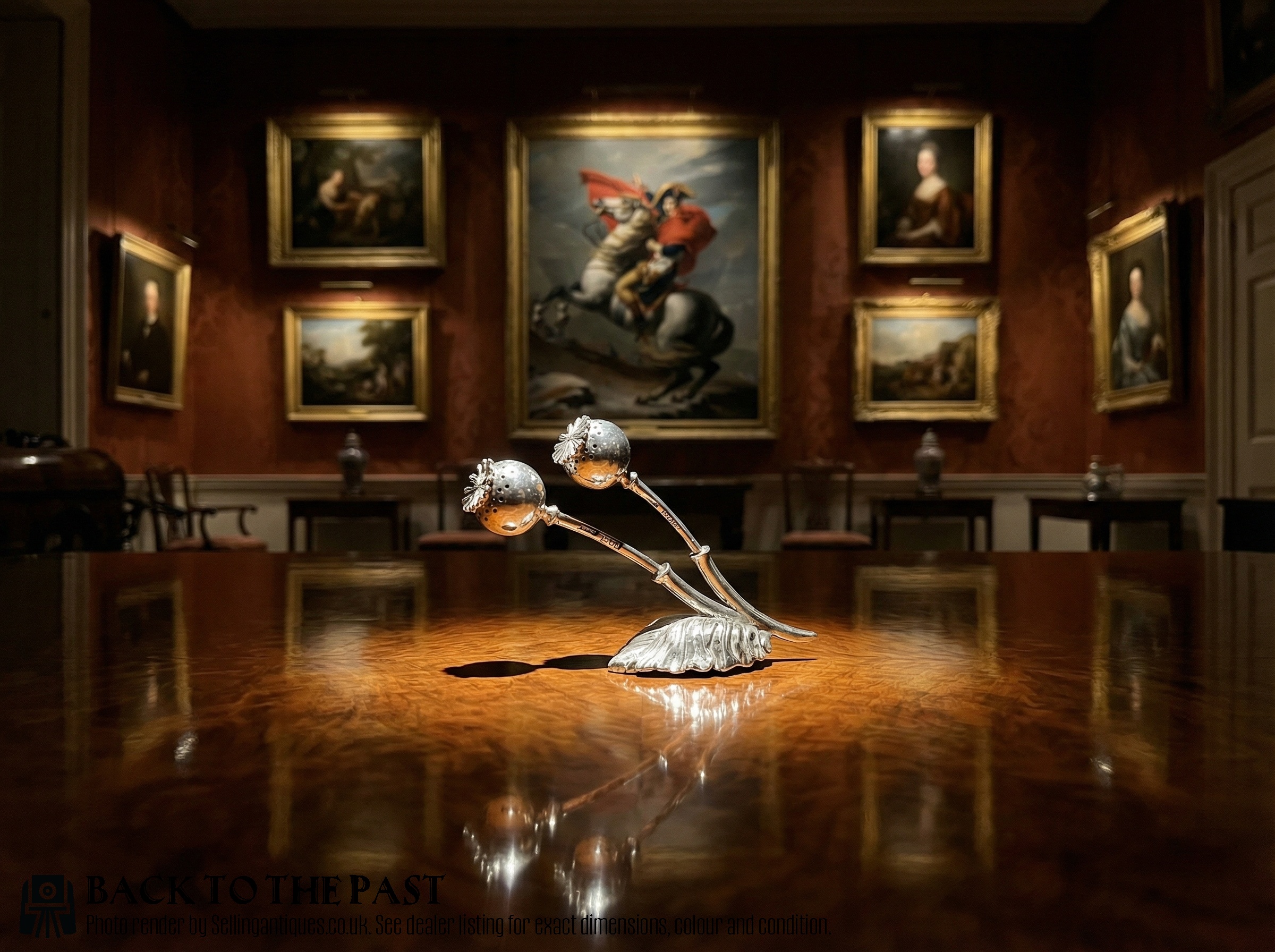
A silver novelty shaker is a functional vessel modelled into an amusing shape, ranging from small pepper pots on dining tables to larger cocktail shakers for the bar. When searching for a silver novelty shaker, a buyer encounters pieces shaped as owls, dogs, birds, milk churns and champagne bottles.
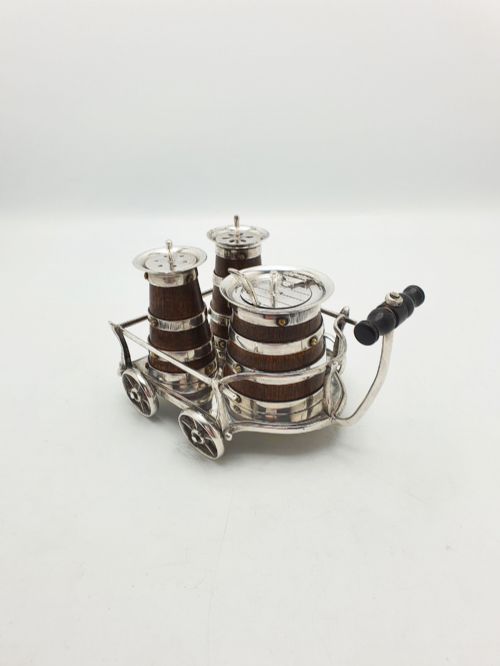
The pieces span the Victorian, Edwardian and Art Deco periods, with 19th-century examples frequently taking biological or figural forms like cats, chicks and Mr Punch's dog Toby. Later 20th-century items often adopt industrial or domestic motifs such as barrels, bullets and milk churns.
Tabletop condiment containers predominate in sterling silver and silver plate, while larger cocktail shakers appear in plated metal and glass during the 1930s. Continental imports also surface, typically rendered in 800 silver or higher purities.
How They Were Made
Silversmiths utilised sterling silver and silver plate, frequently employing casting techniques to create the complex, three-dimensional bodies of animals and figural characters. Detailed feather and fur textures were achieved through hand-chasing and engraving after the primary form took shape.
Listings feature Victorian, Edwardian and Art Deco pieces in sterling silver, silver plate, glass and 800 silver.
What Varies in Quality
Maker reputation and legible hallmarks heavily influence the standing of an item, distinguishing documented pieces by established silversmiths from unmarked imports or workshop stock. The integrity of the original mechanism, whether a screw cap, threaded base or fitted stopper, maintains the utility of the vessel.
Frederick Brasted·Asprey & Co·Sampson Mordan·Thomas Johnson·Berthold Muller·Mappin & Webb·Wilfred Chidlaw Griffiths
The Silver Novelty Shaker Glossary
- Pepperette
- A small shaker specifically designed for dispensing ground pepper at the table. These often take miniature tubular or figural shapes.
- Cruet set
- A matched collection of condiment containers, usually holding salt, pepper and mustard pots on a dedicated stand or tray.
- Hallmark
- An official stamp applied by an assay office to indicate the metal purity, place of origin and year of manufacture. It provides the definitive date for British items.
- Sterling silver
- An alloy consisting of 92.5 percent silver and 7.5 percent other metals, typically copper, used widely for quality tableware.
- Silver plate
- A base metal, such as copper or nickel brass, coated with a thin layer of pure silver through electroplating or older fusion methods.
Silver Novelty Shaker: Frequently Asked Questions
How do I clean antique silver shakers?
Use a soft microfiber cloth and a mild, specialised silver polish to remove tarnish gently. Avoid harsh chemical dips that can strip away the original dark highlights in chased details.
Take care around threaded sections and glass inserts to prevent moisture from becoming trapped inside sealed figural bodies.
Were these shakers meant for everyday use?
Victorian and Edwardian novelty shakers were produced primarily for formal dining tables in prosperous households, serving as both functional condiments and conversation pieces. They populated country houses and urban dining rooms alike.
Cocktail shakers from the 1930s emerged for modern home entertaining, reflecting the rise of cocktail culture during the Art Deco era.
How can I tell the period of a piece?
Examine the hallmarks stamped on the base, rim or interior for date letters that correspond to specific assay office records. Stylistic cues also help, as biological animal forms dominate the Victorian era while geometric lines define the 1930s.
Patina and the method of construction, such as cast versus stamped components, offer further clues to the age of the object.
Are cocktail shakers and pepper pots made differently?
Pepper pots require small internal cavities and perforated heads for dispensing fine spices, often featuring removable base plugs for refilling. Cocktail shakers are much larger vessels built to hold liquids, requiring secure lids with built-in strainers and tight seals.
While pepper pots rely heavily on solid cast silver or detailed plating, cocktail shakers frequently incorporate glass bodies, enamel work, or novelty shapes like milk churns and champagne bottles.