
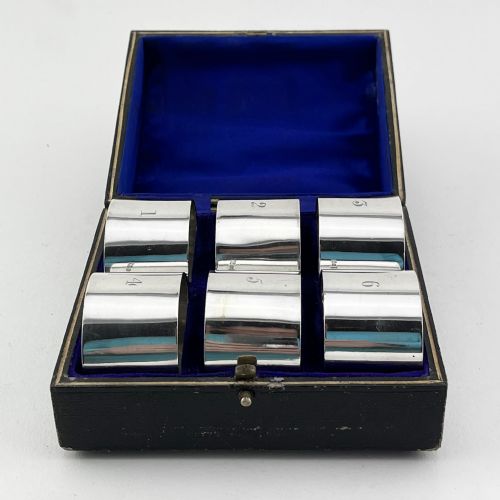


Silver Napkin Ring Set
A silver napkin ring set brings functional elegance to a dining table, offering matching cohorts of polished metal from the Victorian, Edwardian, and Art Deco eras.
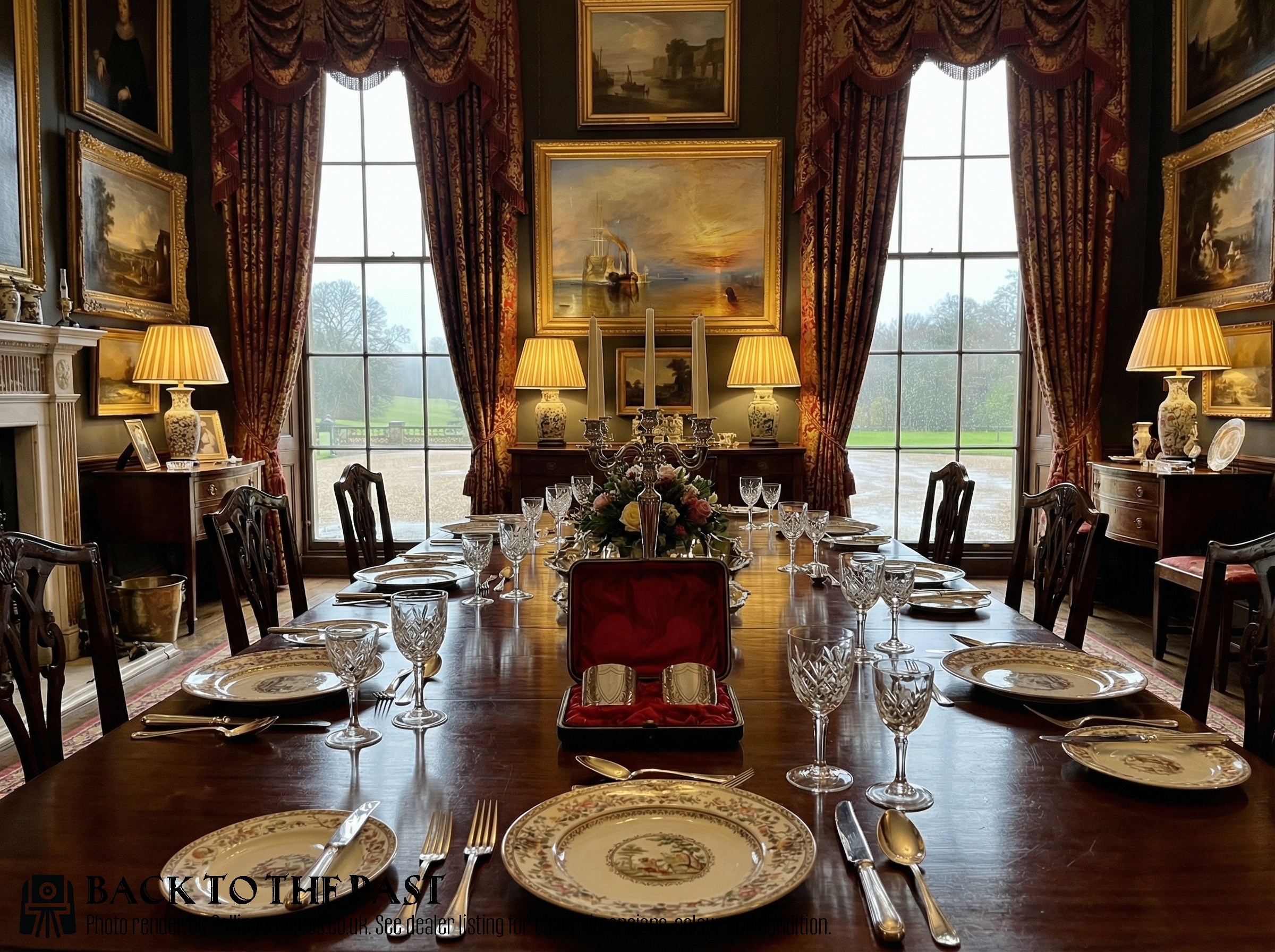
Silver Napkin Ring Set
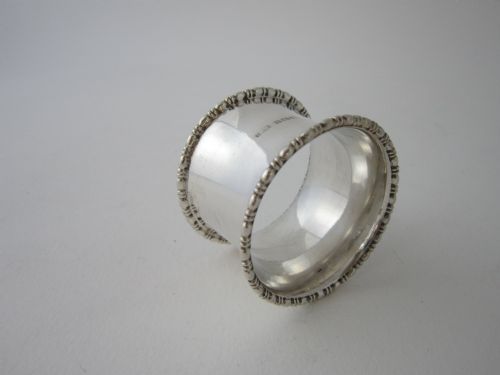
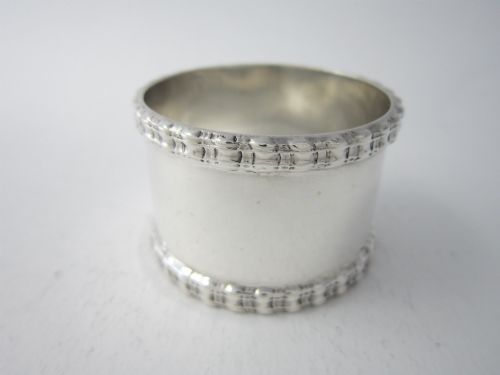
A silver napkin ring set comprises matching bands designed to identify individual dining linens at the table, frequently encountered as assembled groups of four or six pieces. These collections span the late nineteenth century through the mid-twentieth century, capturing shifts in design from ornate Victorian engraving to clean-lined Art Deco geometry.
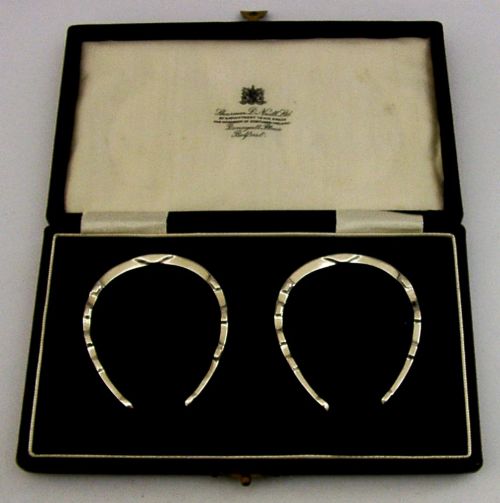
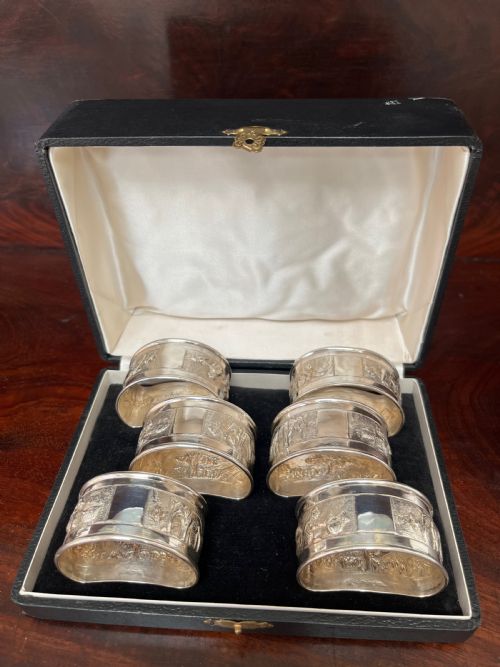
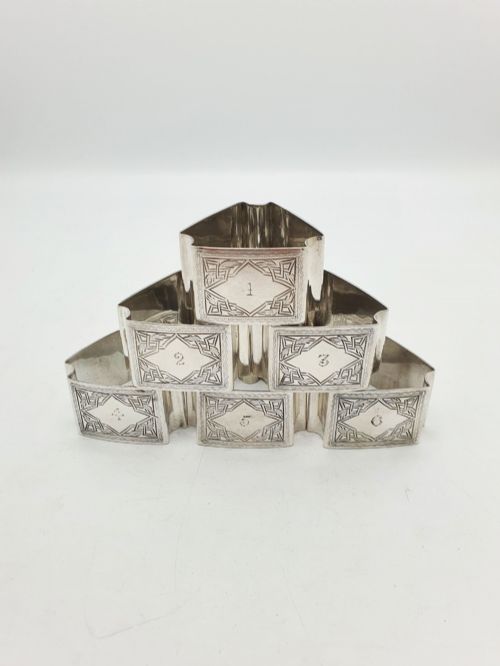
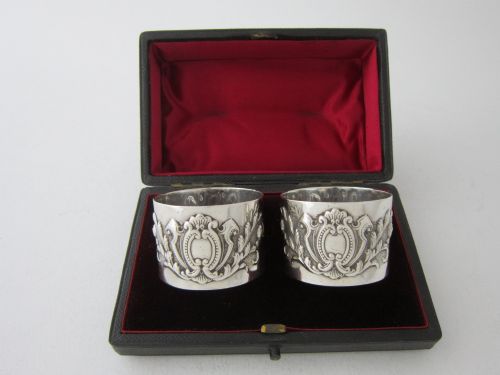
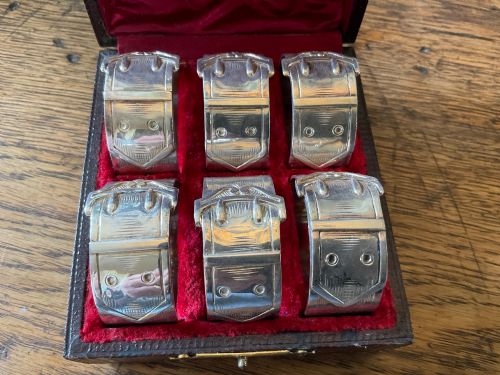
Many survivors retain their original fitted presentation cases lined with silk, velvet, or satin, indicating their original purpose as wedding presents or household upgrades. Alongside standard circular bands, the form extends to novelty iterations modelled as horseshoes, belt buckles, stirrups, or numbered sequences for family use.
How they were made
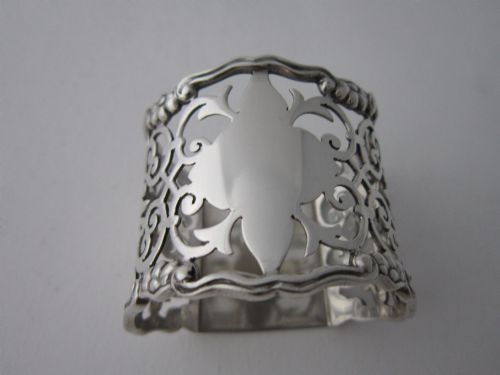
Makers shaped sterling silver and silver plate into cylindrical or oval bands, utilising techniques such as piercing, engine-turning, and hand-engraving to decorate the surfaces. Sets often bear hallmarks denoting British assay offices in cities like Birmingham, Sheffield, London, and Chester, providing precise dates of manufacture.
Fitted presentation boxes employ protective outer layers of leatherette housing tailored interiors of silk and velvet to cradle each individual ring securely during storage.
Listings feature solid sterling silver alongside silver plate, spanning Victorian, Edwardian, Art Nouveau, and Art Deco stylistic periods.
What varies in quality
The distinction between tiers rests upon gauge and decorative execution, where thicker solid sterling silver displays crisp, deep relief work compared to thinner stamped alternatives. Complete matched sets where every numbered ring retains its original sequence and companion case command greater interest than assembled groups gathered later.
The presence of renowned makers or retailers elevates an example, as does the survival of intact interior linings within the original presentation box.
C.T. Burrows & Sons·Tiffany & Co·Cartier·Guild of Handicraft·Cooper Brothers·George Unite
The Silver Napkin Ring Set Glossary
- Sterling silver
- An alloy containing 92.5 percent silver by mass, providing the durable foundation for high-end dining wares. British pieces typically bear a lion passant hallmark to confirm this standard.
- Silver plate
- A base metal foundation coated with a thin layer of pure silver through electroplating or older manufacturing methods. This offered a more accessible option for large dining services.
- Engine-turning
- A mechanical decoration technique that cuts intricate, geometric patterns of fine lines into the metal surface. It creates a shimmering texture popular on twentieth-century pieces.
- Silver gilt
- Sterling silver that has been coated with a thin layer of gold on the interior or exterior surfaces. This treatment adds a warm, two-tone metallic contrast.
- Guilloche
- An ornamental technique where a precise pattern is mechanically engraved beneath a translucent layer of enamel. It appears on select twentieth-century items.
Silver Napkin Ring Set: Frequently Asked Questions
How were napkin ring sets used?
Families utilised these numbered or matching sets to keep dining linens organised between weekly laundering cycles, assigning specific bands to individual household members or guests.
They occupied a permanent place on the dining sideboard until summoned for formal meals or daily family breakfast routines.
Why do some sets have numbers?
Numbered rings prevented confusion at large family dining tables where multiple linens remained in circulation over several days.
Each diner recognised their assigned numeral, ensuring hygiene and personal order during Victorian and Edwardian domestic life.
How should I store my silver set?
Keeping the pieces inside their original fitted silk or velvet-lined box protects the metal from airborne sulfur and dust that accelerate tarnishing.
Avoiding rubber bands and damp environments preserves both the metal surfaces and the historical presentation casing.
Are novelty napkin rings collectible?
Items modelled after equestrian subjects like stirrups, horseshoes, or belt buckles attract specific interest from collectors seeking thematic variety beyond plain bands.
These whimsical variations reflect the leisure pursuits and aesthetic tastes of their respective periods.