


Silver Mounted Tea Caddy
These silver mounted tea caddy pieces bring fine Georgian and Victorian craftsmanship to the table, offering a glimpse into historic tea-keeping.
Silver Mounted Tea Caddy
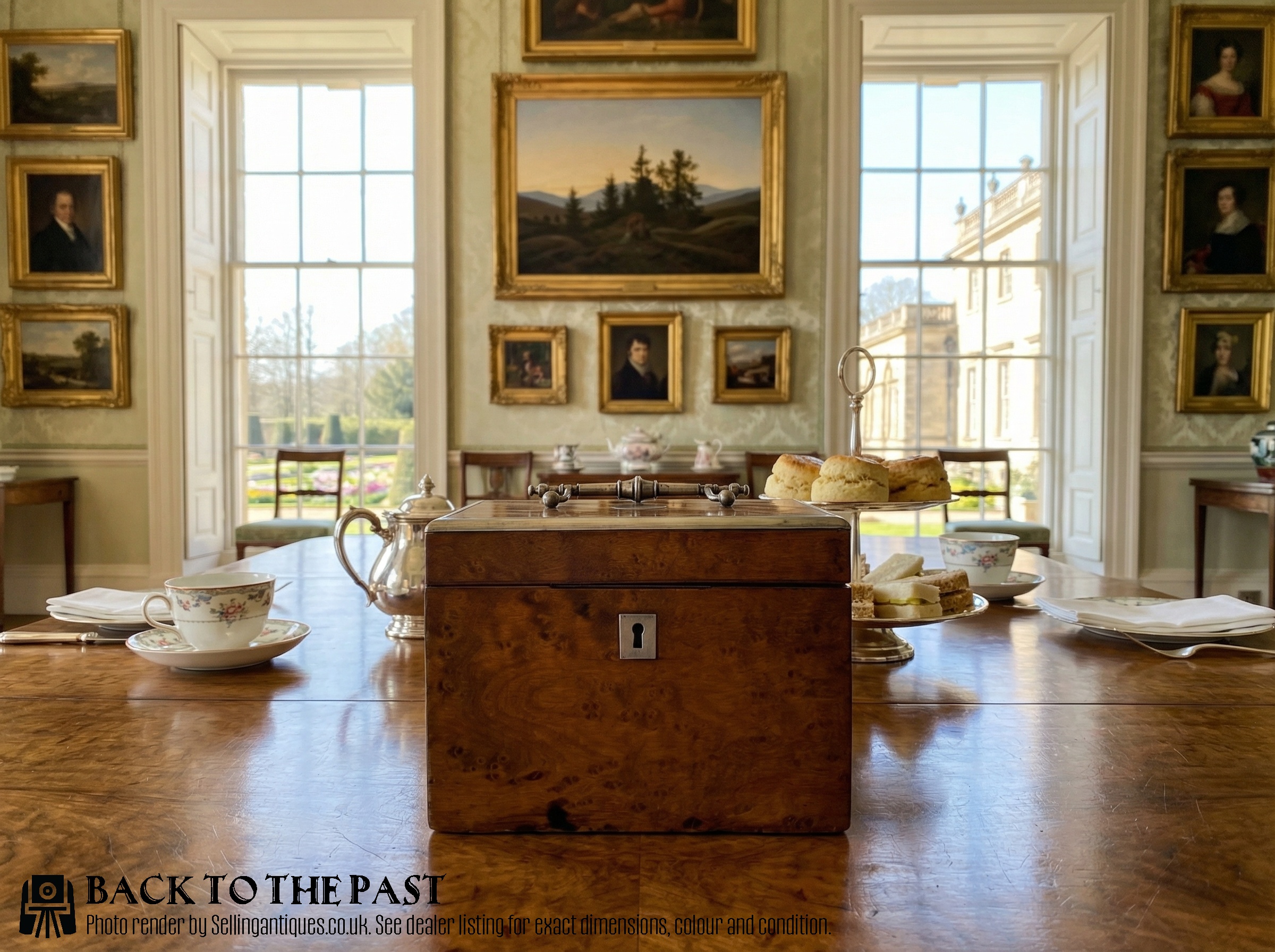
A silver mounted tea caddy is a domestic container designed for storing loose tea leaves securely, often featuring metal mounts, hinges, or shields. When you search for a silver mounted tea caddy, you are looking at items that combine fine woodwork or glass with precious metalwork.
The pieces on this page span several eras, including the Georgian, Regency, and Victorian periods. You are most likely to encounter wooden, tortoiseshell, or cut glass bodies finished with silver or silver plate.
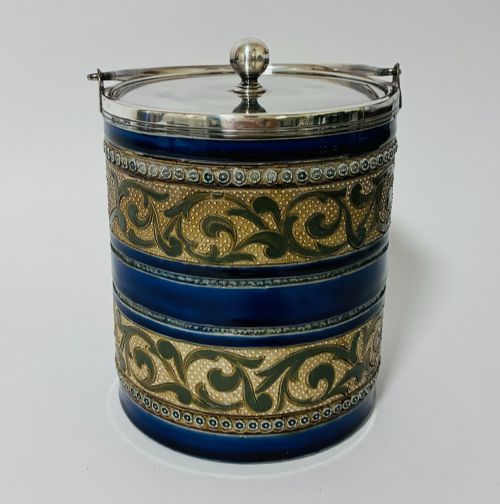
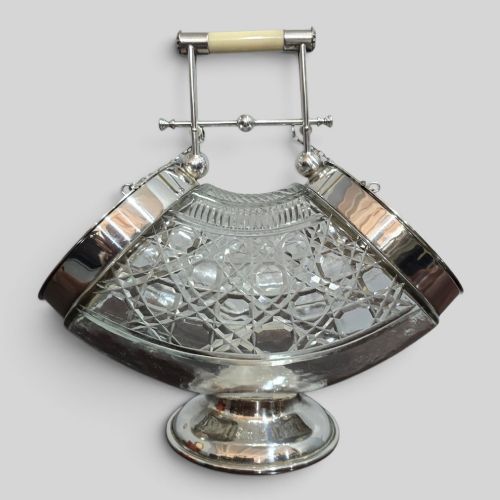
Forms range from single compartments to double tea-caddies and bow-fronted designs. Makers also applied these mounts to biscuit barrels and biscuit boxes, expanding the category beyond tea storage.
How they were made
Craftsmen shaped natural materials like oak, burr maple, tortoiseshell, mother-of-pearl, and palm wood into box bodies. These organic surfaces were frequently paired with cut glass and cut crystal.
Makers applied sterling silver or silver plate mounts to reinforce corners, provide secure locking mechanisms, and frame lids. Metal hinges and escutcheons were fitted by hand to ensure precise alignment.
Tortoiseshell tea caddies sometimes hide tiny brass feet shaped like miniature paws beneath their gleaming shells.
What varies in quality
Quality rests in the selection of materials and the precision of the joinery. Burr maple, tortoiseshell, and hobnail cut crystal demand expert handling from the maker to achieve crisp lines and smooth surfaces.
The integration of the silver mounts dictates the refinement of the piece. Clean metalwork that complements the grain of the wood or the clarity of the glass separates standard containers from superior examples.
William Rudkins·John Grinsell & Sons·Doulton Lambeth
The Silver Mounted Tea Caddy Glossary
- Tea caddy
- A box or jar manufactured to hold loose tea leaves safely. These vessels often featured lockable lids to protect expensive tea.
- Tortoiseshell
- A material sourced from the shell of certain turtle species, prized for its translucent amber and brown patterns. Craftsmen veneered it onto wooden carcases for decorative effect.
- Silver plate
- A thin layer of silver fused or electroplated onto a base metal foundation. This technique allowed makers to achieve the look of solid silver at a lower cost.
- Hobnail cut
- A decorative glass-cutting pattern featuring a series of small, pyramid-like facets. It creates texture and catches the light across crystal surfaces.
- Escutcheon
- A protective metal plate surrounding a keyhole. On these boxes, it is typically executed in silver or silver plate.
Silver Mounted Tea Caddy: Frequently Asked Questions
What is a silver mounted tea caddy?
A silver mounted tea caddy is a storage box for loose tea leaves featuring metal mounts of sterling silver or silver plate. They were essential household items when tea was an expensive commodity.
These pieces use materials such as tortoiseshell, oak, burr maple, and cut crystal, often fitted with locking mechanisms to secure the contents.
How do I date a tea caddy?
Dating relies on observing the materials, construction methods, and styles present in the piece. Georgian and Regency examples often feature distinct cabinetry and delicate silver shields.
Later Victorian and Edwardian items incorporate different mount styles and machine-assisted cutting techniques on glass and crystal.
Were all tea caddies made of wood?
No, makers utilised a variety of materials beyond timber. Cut glass, cut crystal, stoneware, and tortoiseshell appear frequently.
Exotic woods like palm wood and birdseye maple were also combined with mother-of-pearl and silver plate to create decorative containers.
How were these caddies used originally?
Households used them to store precious tea leaves safely under lock and key. The lady of the house typically kept the key to control the household tea supply.
They sat in the parlour or dining room, functioning as both practical storage and a display of domestic status.
How do I care for antique tortoiseshell?
Tortoiseshell requires gentle handling and protection from direct sunlight and extreme temperature fluctuations. Keep the surface clean with a soft, dry cloth.
Aoid harsh chemical cleaners or excessive moisture to preserve the natural material and its underlying wooden structure.