


Decorative Wooden Keepsake Box
A decorative wooden keepsake box is a small receptacle designed to hold letters or trinkets, combining fine cabinetmaking with intimate storage.
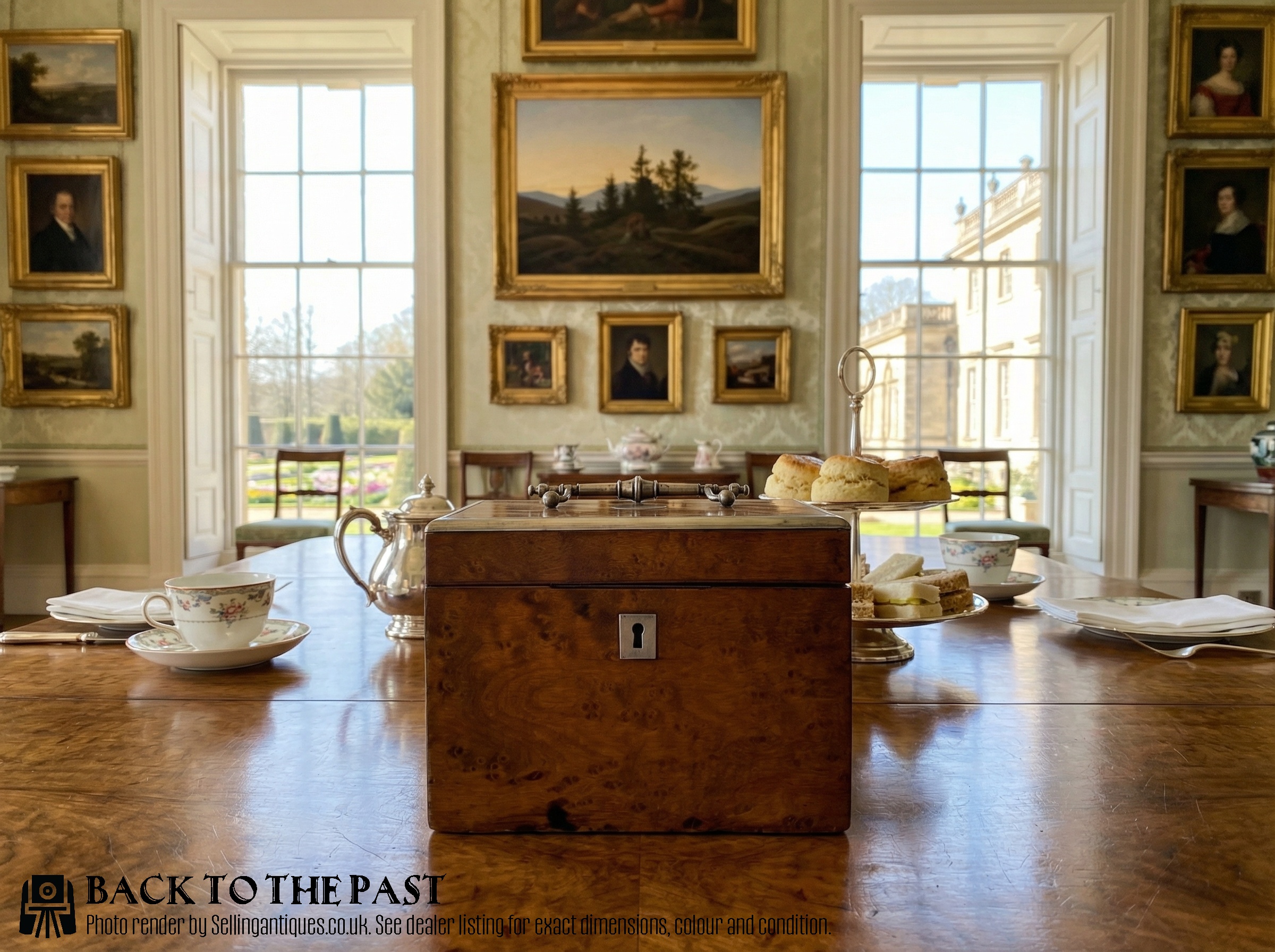
Decorative Wooden Keepsake Box
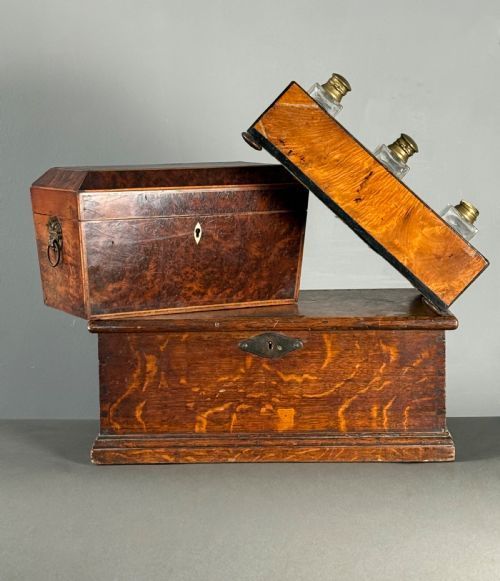
A decorative wooden keepsake box on this page spans several centuries of British and continental craftsmanship, ranging from Georgian tea caddies to Victorian writing caskets. Buyers encounter varied forms such as table boxes, work boxes, and book-shaped receptacles.
The selection includes specific regional items like Anglo-Indian ebony pieces, Tunbridge Ware mosaic designs, and penwork boxes from the Regency period. Walnut and rosewood dominate the material palette, often enhanced with marquetry or parquetry.
Smaller trinket cases and larger collectors' boxes represent the everyday storage solutions of past eras. Each piece serves to preserve personal mementos while offering a decorative surface for a desk or table.
Materials and construction
Cabinetmakers utilised dense hardwoods including walnut, rosewood, mahogany, and exotic veneers such as thuya and burr maple. These timbers were selected for their rich grain patterns and durability.
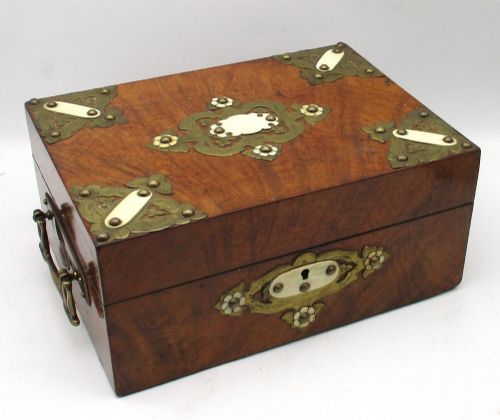
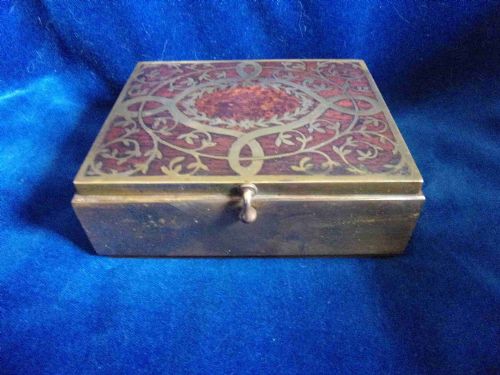
Surface decoration frequently involved intricate inlays of mother of pearl, bone, brass, and contrasting woods. Techniques like penwork, parquetry, and hand-painted lacquer added colour and geometric or pictorial detail to the lids and sides.
Several boxes disguise themselves as miniature stackable leather-bound books, ready to hide secrets upon a library shelf.
Standards of execution
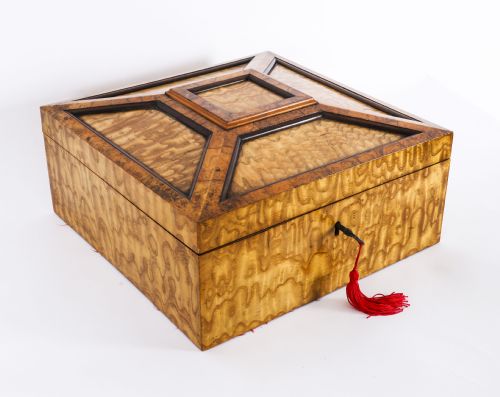
Quality rests upon the precision of the joinery and the integrity of the timber veneers. Superior examples display seamless mitres and tight parquetry where individual wood blocks align without visible gaps.
The refinement of internal fittings, such as velvet linings, compartmentalised trays, and original brass lock plates, distinguishes standard production from high-grade commissions. Hand-carved details and careful matching of burr wood grains further elevate a piece.
Erhard and Sohne
The Decorative Wooden Keepsake Box Glossary
- Parquetry
- Geometric mosaic woodwork formed by small veneer pieces laid down in repeating patterns. It creates striking optical effects on box lids.
- Tunbridge Ware
- Victorian woodwork featuring microscopic mosaic tiles assembled from natural coloured woods. These tiles form detailed pictorial scenes or floral bands.
- Caddy
- A small container originally intended for storing loose tea leaves. They often feature internal compartments and secure locking lids.
- Penwork
- A decorative technique using fine ink lines on a prepared ground to simulate marquetry or engraving. It is strongly associated with Regency work.
- Marquetry
- The art of applying thin decorative veneers to a structural carcase to form pictorial designs. Floral motifs and scrollwork are common examples.
Decorative Wooden Keepsake Box: Frequently Asked Questions
What is a keepsake box used for?
These boxes serve to store letters, jewellery, and small personal valuables. They sit on dressing tables or desks as both storage and decoration.
Historically, specific versions like tea caddies or work boxes held specialised items for daily domestic routines.
How do I date a wooden box?
Dating relies on timber choices, construction methods, and decorative styles. Regency pieces often show penwork or brass inlay, while Victorian examples frequently utilise burr walnut or Tunbridge Ware.
Internal hinges, lock types, and paper linings also offer clues to the decade of manufacture.
Are these boxes made of solid wood?
Most decorative boxes use a stable secondary timber carcase overlaid with decorative veneers. Woods like mahogany or oak form the internal structure.
Exotic timbers such as rosewood, coromandel, and satinwood appear primarily as fine surface veneers.
How should I care for my box?
Keep the wood away from direct sunlight and heat sources to prevent the veneers from lifting. Regular dusting with a soft, dry cloth maintains the polished surface.
Avoid liquid cleaners and use minimal neutral wax only when the timber appears dry.