

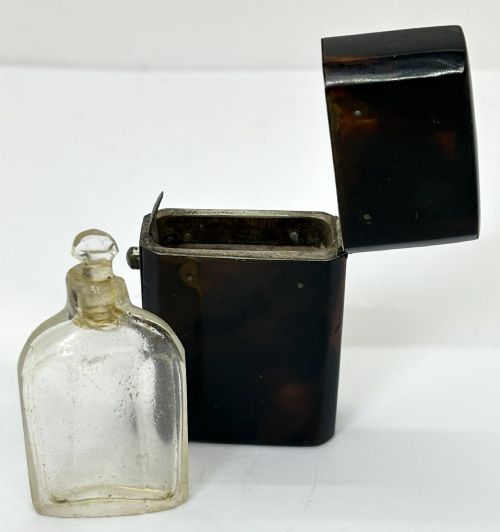


Silver Mounted Glass Container
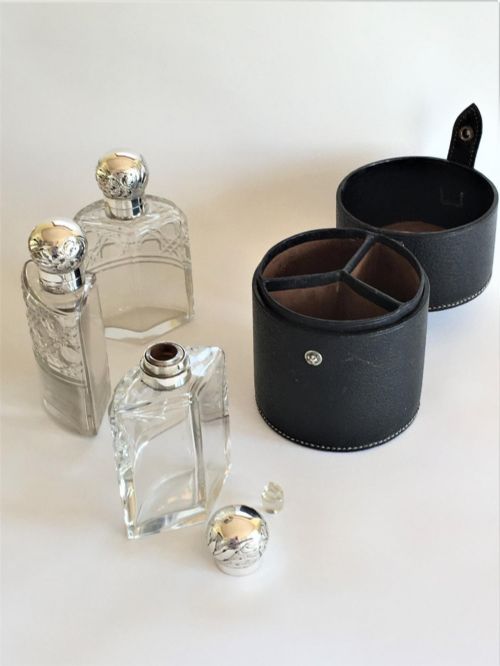
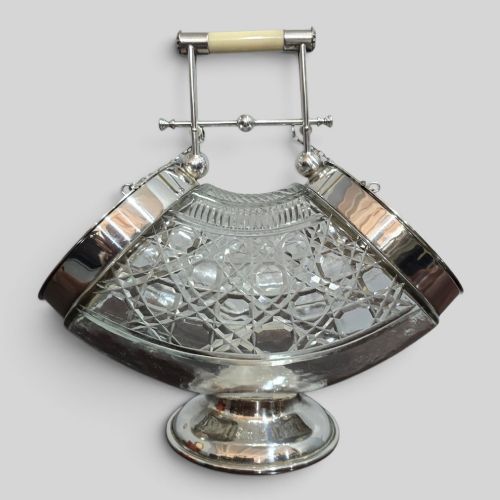
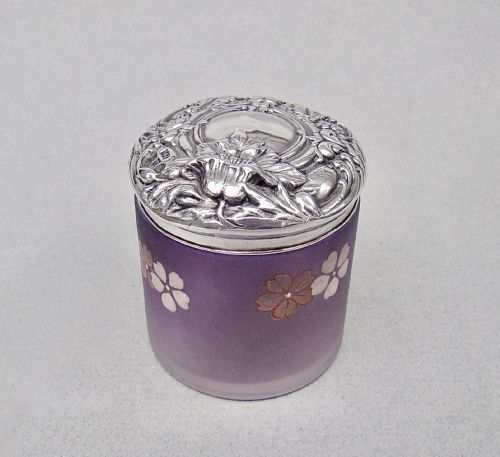
These silver mounted glass container selections combine precious metal work with heavy crystal and coloured vessels for dressing tables and dining rooms.
Silver Mounted Glass Container
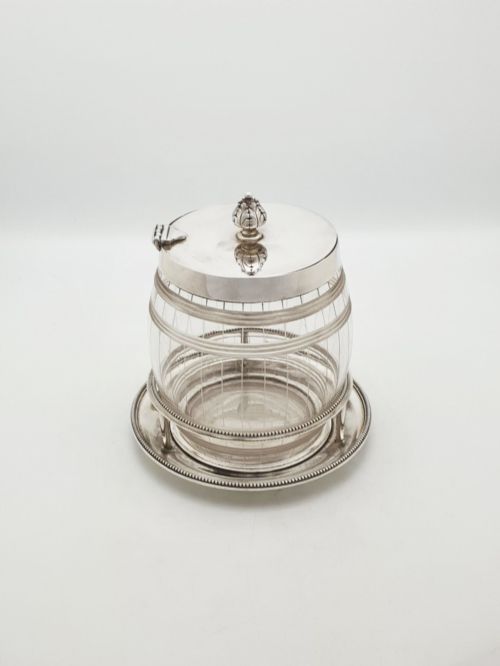
When searching for a silver mounted glass container, buyers encounter a wide variety of domestic vessels designed for practical service or personal grooming. These pieces range from large biscuit barrels and tea caddies to intimate dressing table jars, vanity boxes, scent bottles, and spirit flasks.
The assortment spans several centuries and design movements, drawing heavily from Victorian, Edwardian, Art Nouveau, and Art Deco periods. Forms include cranberry glass, frosted surfaces, cut crystal, and amethyst glass overlays.
Originating primarily from British workshops, these items served distinct social rituals in the home. Whether holding dry biscuits for tea, loose sugar, or preserving cosmetics, the combination of glass and metal provided both utility and visual display.
Assessing craftsmanship
Quality rests in the weight and clarity of the glass vessel, particularly where deep hobnail cutting or hand-polishing reveals precise geometric facets. Heavy cut crystal vessels demonstrate superior raw materials compared to thinner, lighter pressed glass alternatives.
The execution of the metal mounts distinguishes standard production from finer workshops. Crisp hallmarks, substantial gauge silver rather than thin plating, and tight, well-aligned hinge mechanisms indicate superior manufacture.
The integration of decorative elements such as guilloche enamel, tortoiseshell panels, or complex glass colours like cranberry and amethyst elevates the overall standard of the piece.
Some Victorian lemonade jugs included internal glass ice tubes to chill drinks without diluting the liquid.
Elkington·Mappin and Webb·Hasset and Harper·Walker and Hall·James Dixon and Sons
The Silver Mounted Glass Container Glossary
- Hobnail cut
- A pattern of raised, pyramid-shaped facets cut into the surface of glassware. This technique creates a textured, light-reflecting finish popular on Victorian and Edwardian tablewares.
- Guilloche
- An ornamental technique in which a precise, intricate repetitive pattern is mechanically engraved into metal. It is frequently seen beneath translucent enamel on Art Deco vanity items.
- Cranberry glass
- A rich red-pink glass produced by adding gold chloride to the molten batch. It is a defining material of Victorian and Edwardian decorative vessels.
- Sterling silver
- An alloy consisting of ninety-two point five percent silver and seven point five percent other metals, usually copper. British pieces typically carry standard hallmarks denoting this standard.
- Biscuit barrel
- A covered container designed to hold dry biscuits or crackers during formal tea services. They often feature swing handles and fitted ceramic or glass bodies with metal lids.
Silver Mounted Glass Container: Frequently Asked Questions
What were biscuit barrels used for?
Biscuit barrels served as decorative containers on Victorian and Edwardian dining tables to keep dry biscuits fresh during afternoon tea and formal gatherings.
They were typically carried to the table by a swing handle, allowing the host to dispense biscuits directly to guests from the lidded glass or ceramic vessel.
How do I date these containers?
Dating relies primarily on the metal hallmarks stamped onto the silver mounts, which indicate the assay office, the year of manufacture, and the silversmith. Stylistic clues such as Art Deco geometric lines or Edwardian floral motifs also help narrow the production era.
Changes in glass colours and cutting techniques further assist in identifying whether a piece belongs to the Victorian period or later decades.
Can I use these for food daily?
Many glass containers with silver mounts remain entirely functional for holding dry foods, sweets, or sugar cubes during everyday use. Care should be taken to hand wash the glass gently without submerging vulnerable antique metal mounts in water.
Items featuring delicate interiors, such as tortoiseshell or enamel lids, are better suited for display rather than active service.
How do I clean the silver mounts?
Silver mounts require gentle cleaning with a specialised soft polishing cloth to remove tarnish without touching the surrounding glass surface. Care must be taken to prevent liquid polishes from seeping into adhesives or hinges.
Avoiding harsh chemical dips preserves both the original metal patina and any delicate glass bodies or enamel panels attached to the frame.