
Silver and Glass Box
A silver and glass box combines heavy cut crystal or moulded vessels with hallmarked mounts, offering practical storage for dressing tables and sideboards.
Silver and Glass Box
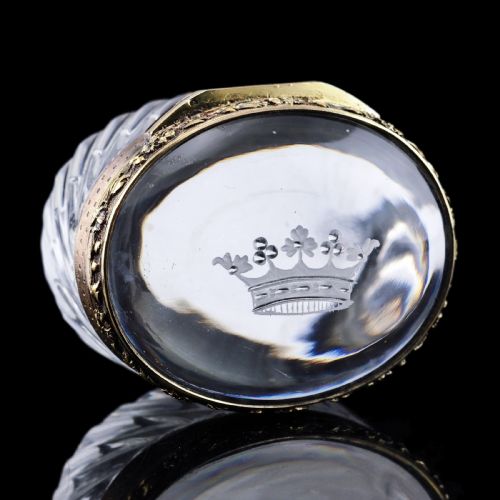
When searching for a silver and glass box, collectors encounter various forms ranging from compact trinket jars and dressing table pots to substantial biscuit barrels and tantalus sets. The most common specimens on this page date from the Victorian, Edwardian, and Art Deco periods, drawing on English, French, and German manufacture.
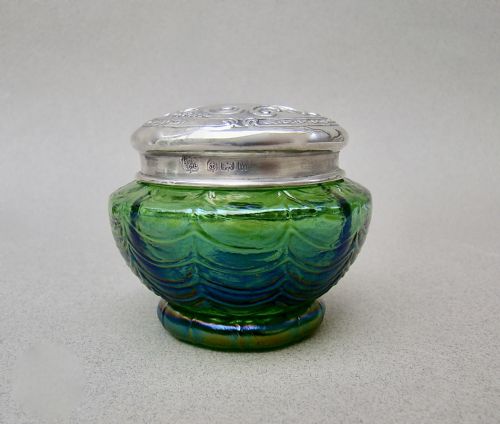
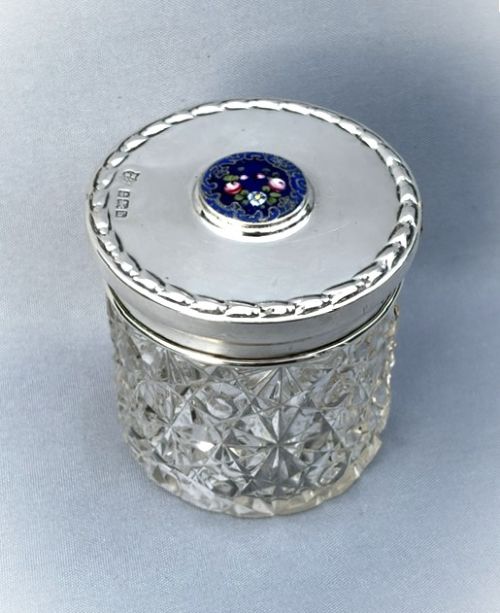
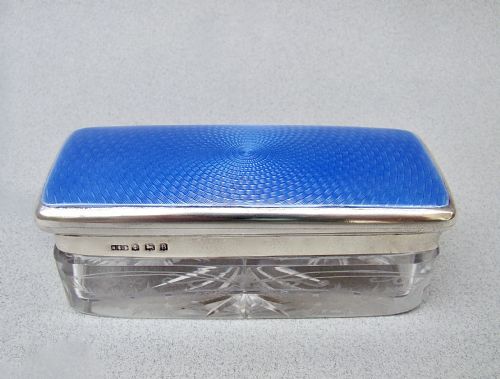
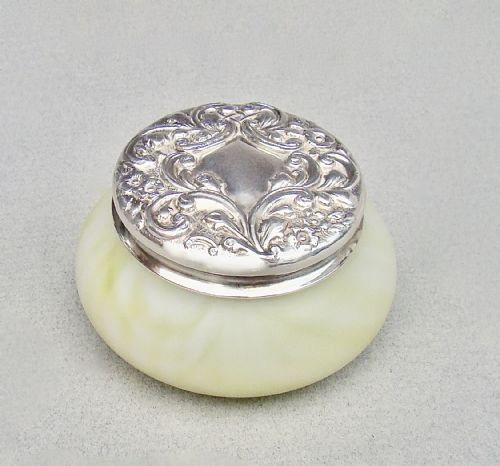
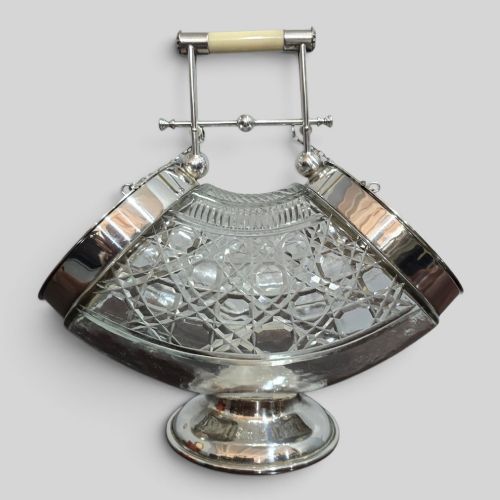
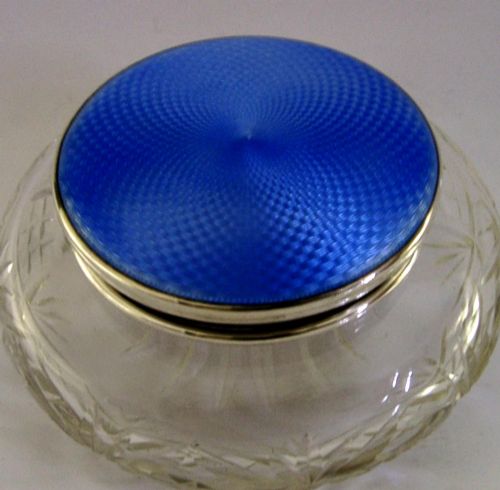
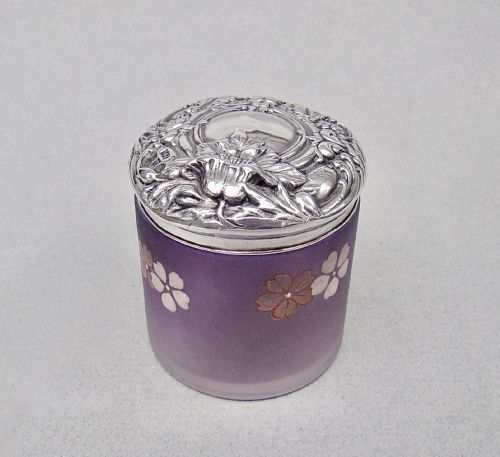
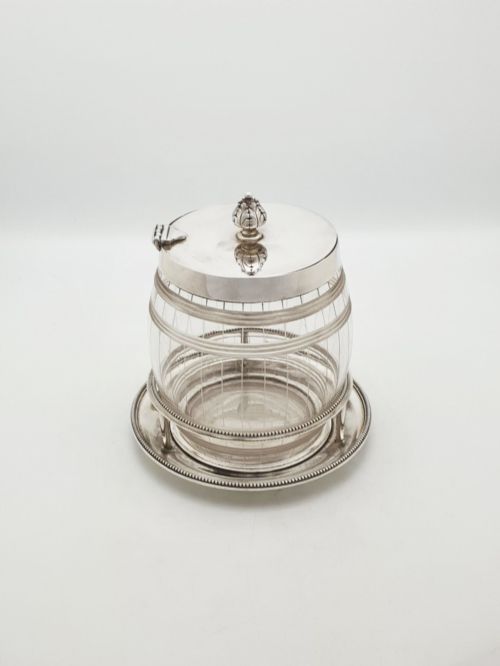
Vessels designed for the dressing table typically feature sterling silver lids above cut, frosted, or satin glass bases, frequently enhanced with enamel. Larger containers like biscuit barrels and barware incorporate silver-plated mounts, swing handles, and decorative finials paired with heavy moulded glass liners.
Materials and Technique
The construction relies on the union of metalworking and glass production, utilising sterling silver or silver plate for hinged lids, collars, and mounts. Silversmiths hammered, pierced, and cast the metal components, often applying guilloché enamel or gilding for surface decoration.
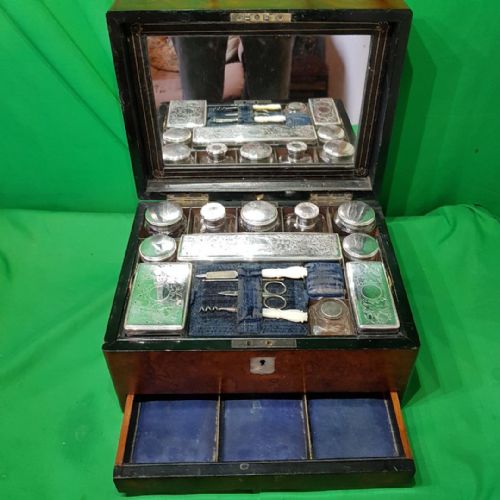
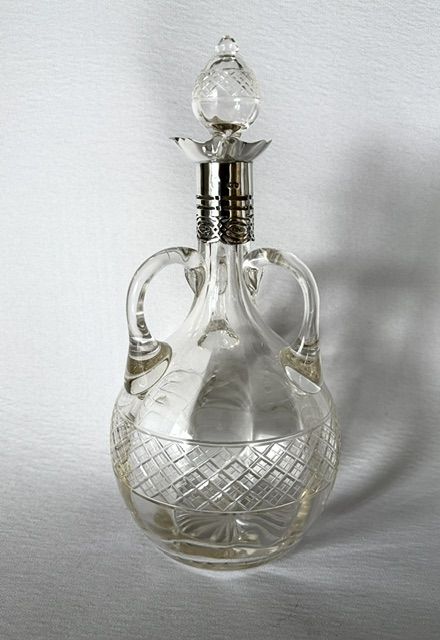
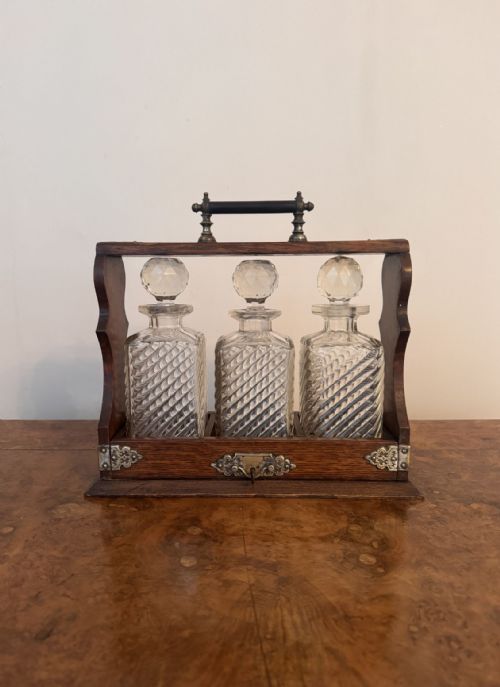
Glass bodies were formed through heavy hobnail cutting, etching, or moulding, producing clear, cranberry, or satin finishes designed to catch the light. Interior frames and bases occasionally integrate oak, burr walnut, or velvet linings to cushion delicate contents.
Trinket boxes and biscuit barrels dominate the material record, incorporating oak, enamel, and velvet elements alongside traditional glass.
Distinctions in Standard
Quality rests upon the crispness of the glass cutting and the weight of the metal mounts. Pieces displaying deep, sharp hobnail patterns and thick, substantial silver or plated housings represent the upper tier of production.
The integration between lid and vessel dictates overall execution, where tight hinges, clear hallmarks, and undamaged enamel or gilding distinguish finer maker output from utilitarian domestic wares.
A. J. Pepper & Co·Henry Clifford Davis·A. Bromet & Co·Elkington·WMF·Walker & Hall·William Hutton·William Comyns
The Silver and Glass Box Glossary
- Guilloché
- A decorative technique involving intricate mechanical engraving beneath translucent enamel. This method was widely utilised on dressing table jars during the Art Deco period.
- Hobnail
- A prominent faceted glass-cutting pattern resembling the head of a rustic nail. It creates deep texture and high optical reflection across nineteenth-century vessels.
- Tantalus
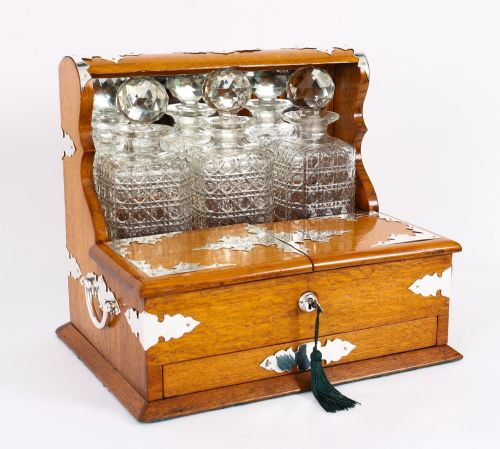
- A locking beverage cabinet holding decanters visible yet secured behind a metal bar. These apparatuses typically combine oak frames with glass and silver-plated fittings.
- Vesta box
- A small container originally engineered to hold matches or wax vestas. Victorian examples frequently integrate hinged silver lids with glass or tortoiseshell bodies.
- Silver gilt
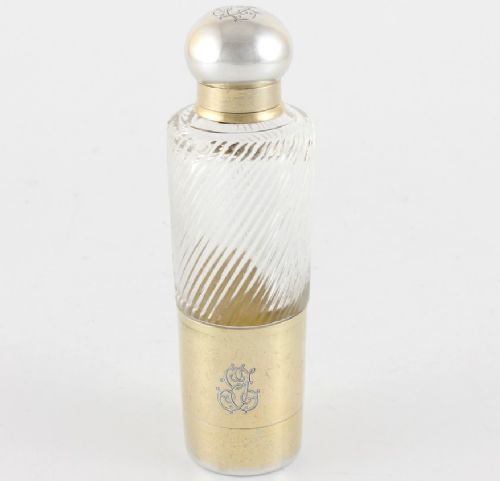
- Silver coated with a thin layer of gold on its surface. This treatment provided a rich interior finish to dressing table and vanity containers.
Silver and Glass Box: Frequently Asked Questions
How were biscuit barrels used?
Biscuit barrels served as decorative dining table containers intended to keep dry baked goods fresh behind fitted lids. Wealthy Victorian households utilised silver-plated and cut glass versions during formal afternoon tea and after-dinner hospitality.
Over time, these lidded vessels transitioned into sideboard displays. Their mechanical hinged handles and heavy glass bodies allowed servants to transport them easily between the pantry and the parlour.
What is a dressing table jar?
Dressing table jars held powders, pins, creams, and cosmetics in private bedchambers during the nineteenth and twentieth centuries. The glass bases protected volatile substances while silver lids displayed monograms and decorative motifs.
These pieces formed matching sets with brushes and trays on vanity tables. Their contents changed alongside evolving fashion and hygiene habits across the Edwardian and Art Deco eras.
How do I date an Edwardian piece?
Dating an Edwardian piece relies primarily on official assay office hallmarks stamped onto the silver mounts. Birmingham, Chester, and London markers correspond to specific active operating years.
Stylistic cues also help identify the era, such as bright-cut floral engraving, flowing Art Nouveau contours, and pastel enamel work. Comparing the typography of maker marks against historical records confirms the exact year of manufacture.
Are silver plate and sterling silver marked differently?
Sterling silver items bear standard governmental hallmarks, including a lion passant for British manufacture and a specific numerical fineness standard. These stamps guarantee the legal purity of the precious metal content.
Silver-plated items display alternative stamps such as maker initials, trade marks, or explicit plating designations rather than official silver assay marks. Understanding these stamp variations separates solid precious metal from plated base metals.