


Edwardian Cut Crystal Jar
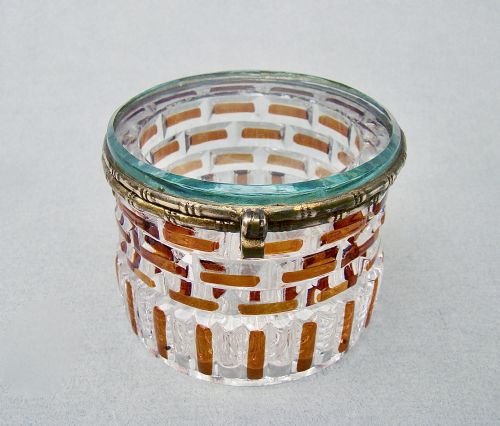
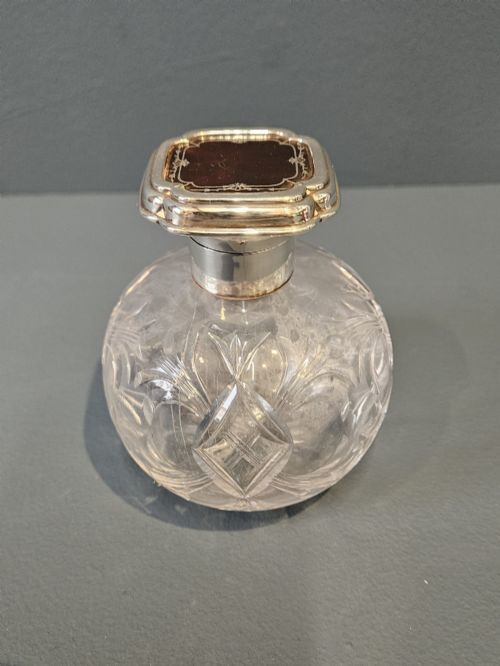
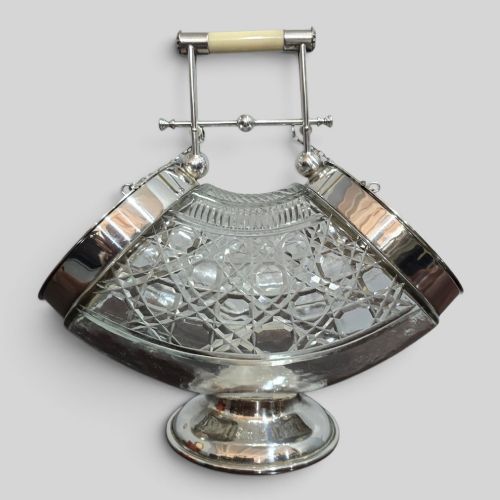
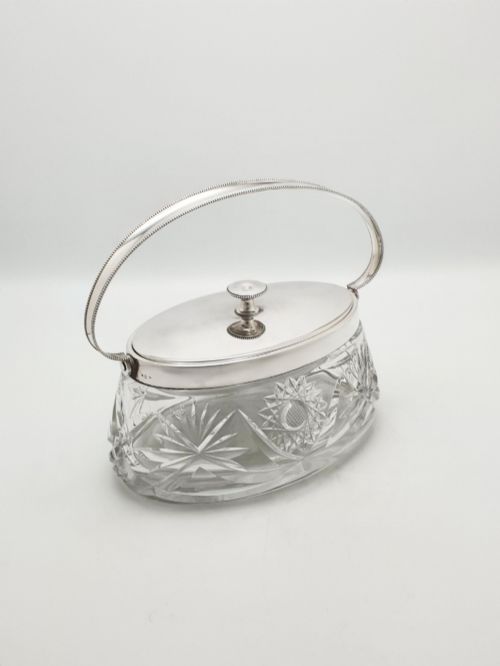
These Edwardian cut crystal jar selections bring together heavy cut glass bodies and hallmarked silver lids for dressing table and dining use.
Edwardian Cut Crystal Jar
When searching for an Edwardian cut crystal jar, buyers encounter a variety of functional containers including scent bottles, biscuit barrels, trinket boxes, vanity jars, and preserve pots. The selection spans distinct forms originating from the Victorian era through the 1930s, with Edwardian examples frequently appearing alongside George V and Art Deco pieces.
The practical function of these objects ranges from dressing table accessories such as cologne bottles and vanity jars to dining table items like biscuit boxes and preserve jars. Lidded bowls, tea caddies, and cruet sets also emerge within this category, demonstrating the widespread use of cut crystal and silver mounts in domestic settings.
While many items bear specific Edwardian dates, others extend into the late Victorian period and the early twentieth century. Buyers find variations in scale, from small scent bottles to large heart-shaped boxes and substantial punch bowls, all combining glass bases with fitted metal or organic lids.
What varies in quality
The standard of cutting on the glass body creates a primary distinction between pieces, where crisp, deep facets reflect light cleanly compared to softer, shallower impressions. The weight and clarity of the lead crystal also influence the tactile presence of the jar.
The substance and detailing of the mounts separate everyday items from finer productions. Substantial gauge sterling silver lids with clear hallmarks and intricate repoussé work or blue enamel enrichment elevate the piece above standard silver-plated equivalents.
Maker attribution further differentiates the range, with documented pieces originating from known workshops commanding particular attention for their superior metalwork and balanced proportions.
Listings feature items spanning the Victorian era through the 1930s, incorporating cut glass, sterling silver, tortoiseshell, and enamel.
William Comyns·Henry Matthews·James Dixon and Sons·Barnsley and Co
The Edwardian Cut Crystal Jar Glossary
- Hobnail cut
- A pattern of raised, sharp-pointed tetrahedral facets cut into the glass surface. This technique produces high light refraction and a distinctive textured grip.
- Sterling silver
- An alloy of silver containing 92.5 percent pure silver and 7.5 percent other metals, typically copper. Most quality lids and mounts on these jars carry hallmarks confirming this standard.
- Hallmark
- An official stamp applied to precious metals indicating the maker, assay office, and year of testing. These marks provide definitive dating evidence for the silver mounts.
- Tortoiseshell
- The shell of certain turtle species used as an ornamental inlay in silver lids. It adds a mottled amber and brown contrast to the clear crystal body.
- Cut crystal
- Glass containing lead oxide that increases its density and brilliance. The higher lead content allows for sharper, deeper cutting than standard soda-lime glass.
Edwardian Cut Crystal Jar: Frequently Asked Questions
What were Edwardian cut crystal jars used for?
These jars served multiple domestic purposes, primarily holding cosmetics, perfumes, or tobacco on dressing tables and sideboards. Larger lidded versions functioned as biscuit barrels or preserve pots in dining rooms.
The inclusion of sterling silver lids and fitted stoppers ensured that volatile scents and perishable food items remained sealed. Their placement in bedrooms and parlours reflected both personal grooming habits and formal hospitality.
How can I date an Edwardian cut crystal jar?
Dating relies heavily on the hallmarks stamped onto the silver mounts, which indicate the specific year and assay office. Stylistic cues such as Art Deco geometric lines or Victorian florid engraving also point to the correct era.
While the glass body might be older or contemporary with the mount, the silver hallmarks provide the most precise chronological anchor. Comparing the cut patterns helps distinguish Edwardian work from later 1930s production.
How do I care for cut crystal and silver?
Maintenance requires gentle hand washing in lukewarm water with mild soap, avoiding abrasive cloths that scratch the crystal or damage the silver. Removing silver mounts when possible prevents moisture from becoming trapped beneath the rim.
Silver components benefit from occasional polishing with a dedicated cloth to control tarnish without touching the glass surface. Storing the jars away from direct sunlight protects any organic inserts like tortoiseshell.
What is the difference between glass and crystal?
Crystal contains lead oxide, which adds weight, increases brilliance, and makes the material softer for intricate cutting. Standard glass lacks this lead content, resulting in a lighter weight and less refractive sparkle.
Pieces described as cut crystal exhibit a resonant ring when struck gently, a characteristic feature that helps identify the higher density material used in these jars.