

Silver Mounted Cut Crystal
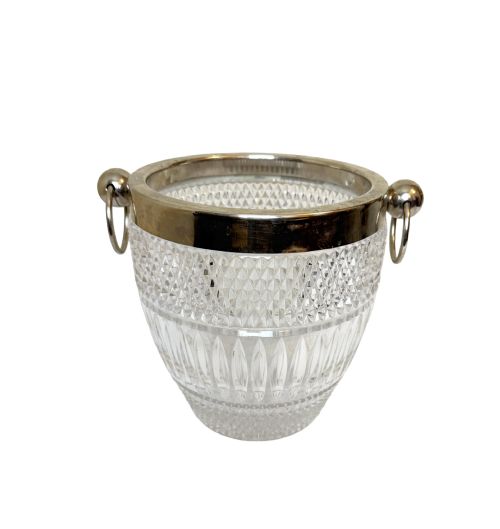
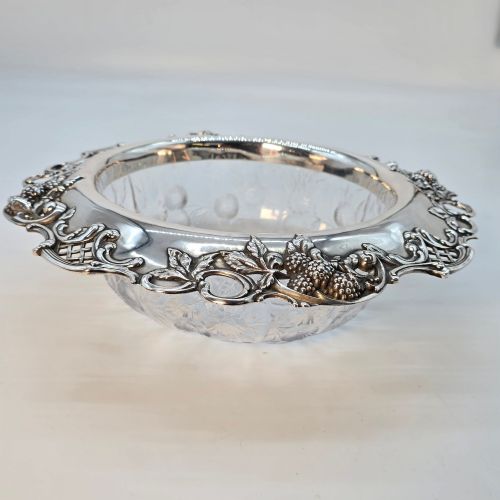
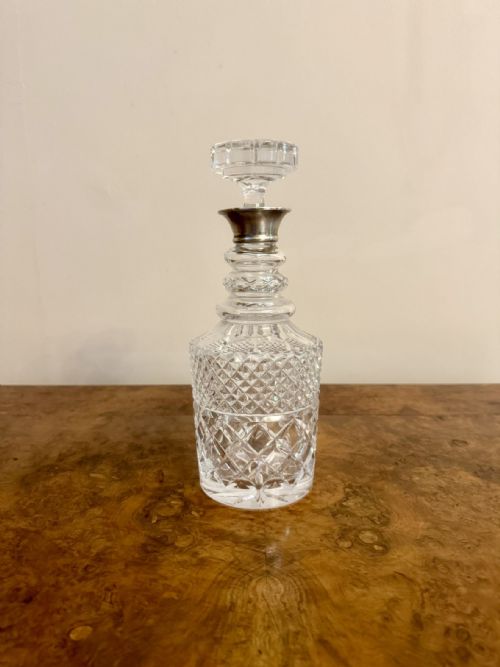
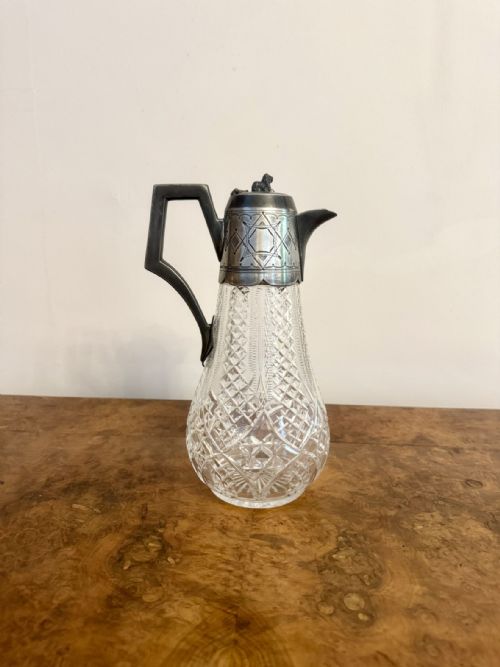
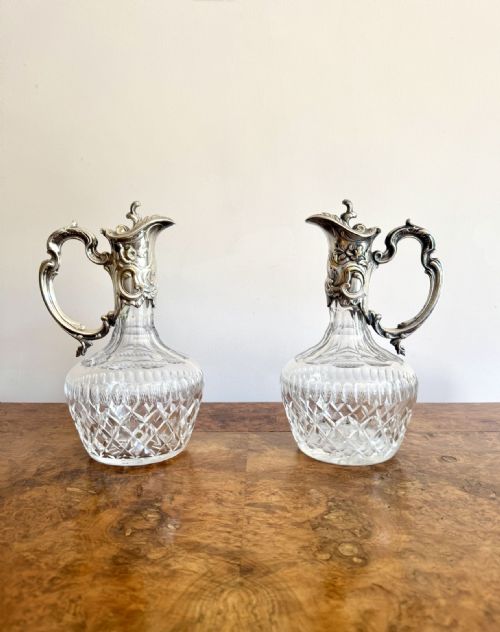
Silver mounted cut crystal brings together heavy glass and precious metal to create functional objects that catch the light on any table.
Silver Mounted Cut Crystal
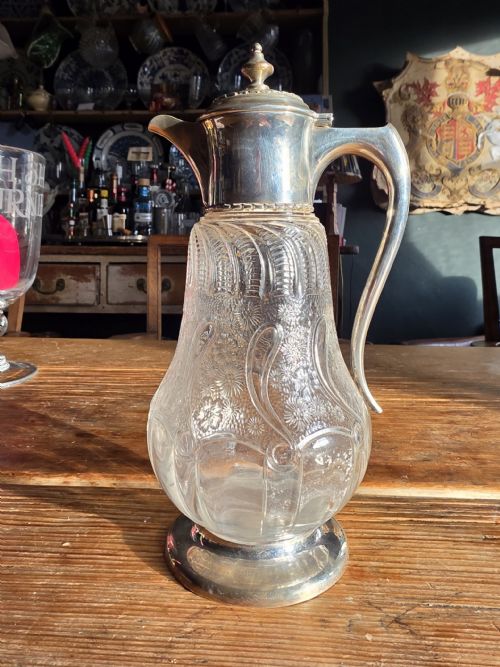
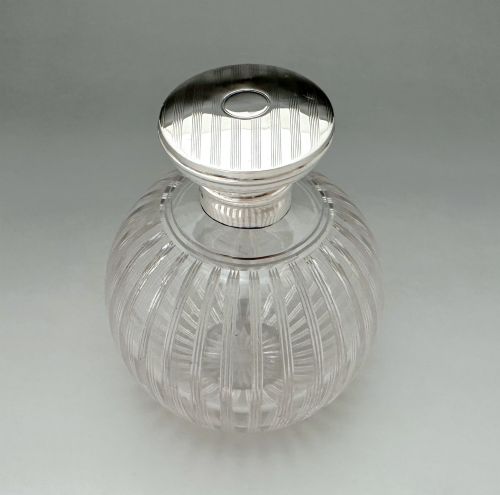
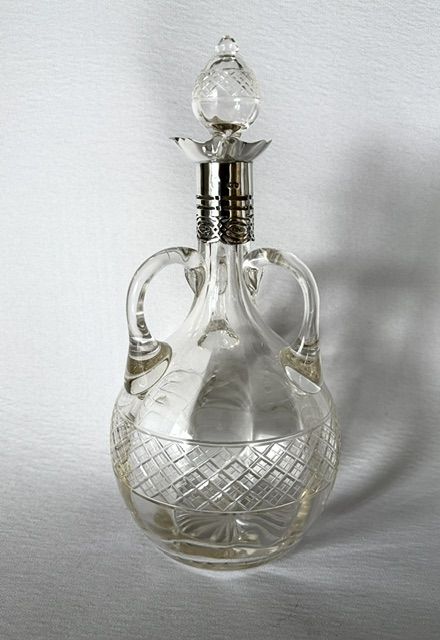
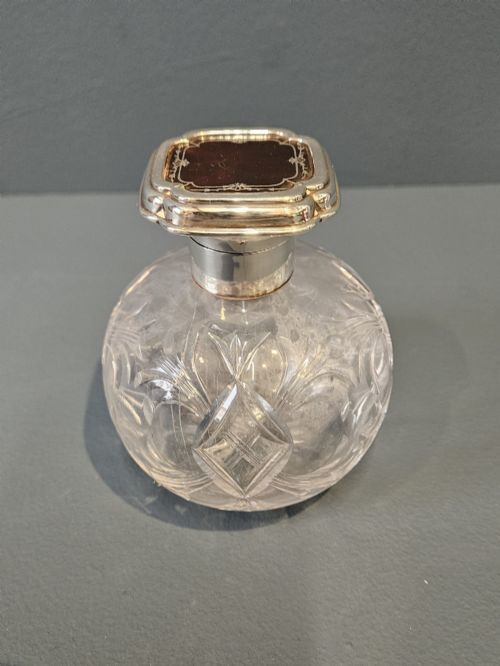
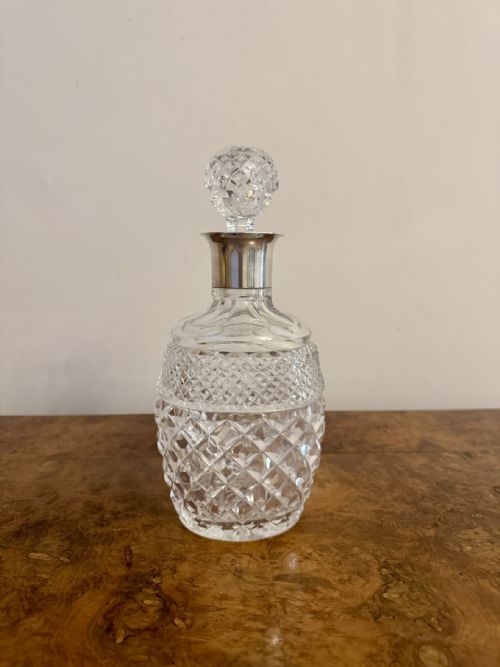
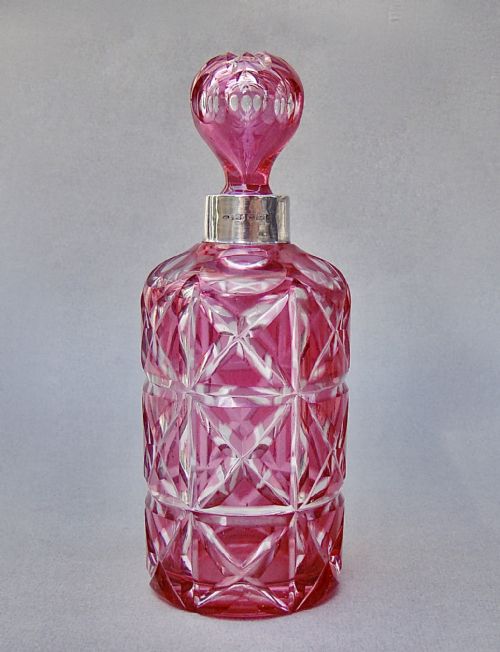
Silver mounted cut crystal comprises vessels and containers produced across the Victorian, Edwardian, and Art Deco periods, drawing on styles such as Neoclassical Revival and French nineteenth century designs. Buyers seeking silver mounted cut crystal will frequently encounter decanters, claret jugs, scent bottles, and inkwells intended for domestic service and display.
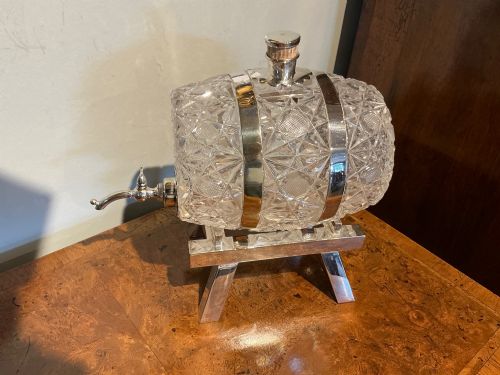
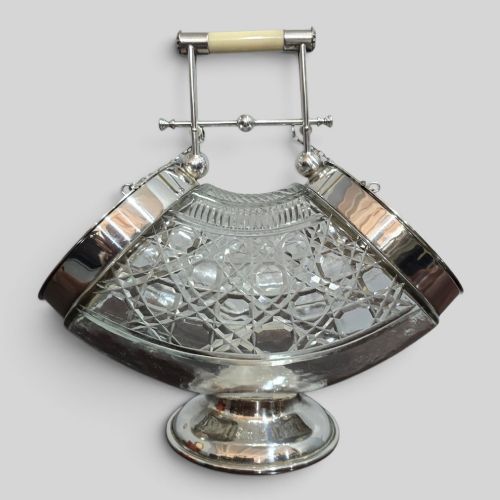
The selection ranges from tall jugs and spirit barrels to smaller items like biscuit barrels, tea caddies, and trinket boxes. Pieces originate from English workshops as well as continental makers, utilising clear, ruby, cranberry, and blue glass.
Tantaluses and games compendiums also appear within this category, housing multiple cut glass bottles secure behind locking frames. These items reflect the social habits of the nineteenth and early twentieth centuries, combining secure storage with decorative presence.
Evaluating the Pieces
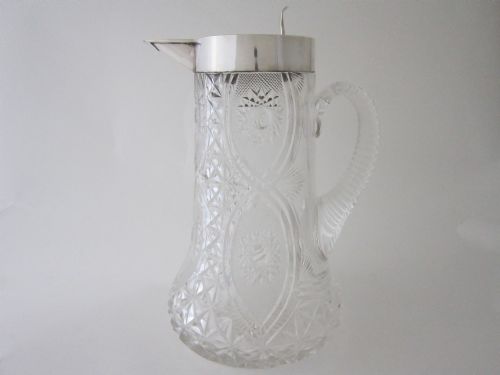
Quality rests upon the depth and crispness of the glass cutting, where sharp, clean facets distinguish finer work from softer, moulded imitations. The weight and clarity of the crystal itself indicate the standard of manufacture, alongside the thickness and substantial feel of the metal mounts.
Proportion and balance between the glass body and the silver collar or handle determine visual success. Finer examples display precise alignment between metal mounts and glass apertures, secure hinges, and intact hallmarks that confirm the silver standard and date.
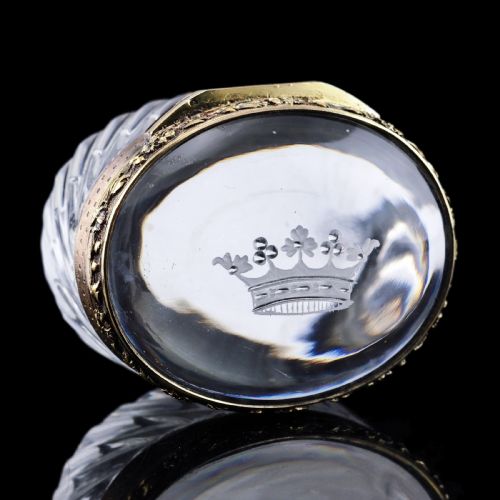
A ducal coronet rests engraved upon one French nineteenth century crystal box, ready for aristocratic secrets.
Tiffany and Co·Harold Bushell and Co·A W Pennington·William Rudkins
The Silver Mounted Cut Crystal Glossary
- Hobnail cut
- A pattern of raised square pyramidal points carved into the surface of glass. This deep cutting style creates intense light refraction across the body of decanters and inkwells.
- Tantalus
- A locking wooden frame holding decanters visible but inaccessible without a key. Oak forms the primary housing for these secure serving stands.
- Claret jug
- A pouring vessel designed specifically for serving red wine at the table. These pieces feature hinged silver mounts and applied handles attached to glass bodies.
- Silver plate
- A layer of silver fused to a base metal core such as copper or Britannia metal. This technique offered the appearance of solid silver at a lower cost for large serving pieces.
- Rock crystal cutting
- A meticulous technique involving shallow, highly polished wheel engravings on glass. It produces smooth, tactile designs rather than sharp geometric facets.
Silver Mounted Cut Crystal: Frequently Asked Questions
Were these items meant for daily use?
Domestic pieces such as inkwells, scent bottles, and decanters served functional roles in homes and offices during the Victorian and Edwardian eras. Their heavy glass construction was designed to withstand regular handling during dining and writing.
Today, many owners continue to use decanters for serving wine or display scent bottles on dressing tables. Careful handling preserves the historical mounts and delicate glass rims.
How can I tell a Victorian piece from an Edwardian one?
Victorian examples often display heavier ornamentation, deeper hobnail cutting, and elaborate floral engraving on the silver mounts. These pieces date from the nineteenth century and tend to be heavier in the hand.
Edwardian items frequently embrace lighter Neoclassical Revival influences with cleaner lines and restrained geometric patterns. Hallmarks stamped into the silver mounts provide definitive dates of manufacture.
What is the purpose of a tantalus?
A tantalus secured alcoholic beverages behind a locking wooden bar, preventing servants or guests from accessing the spirits without permission. The name derives from the mythological figure Tantalus, who was condemned to suffer perpetual thirst within sight of water.
These locking frames typically house two or three cut crystal decanters fitted with silver collars. Oak served as the primary wood for the locking bases and carrying handles.