


Silver Mounted Caddy
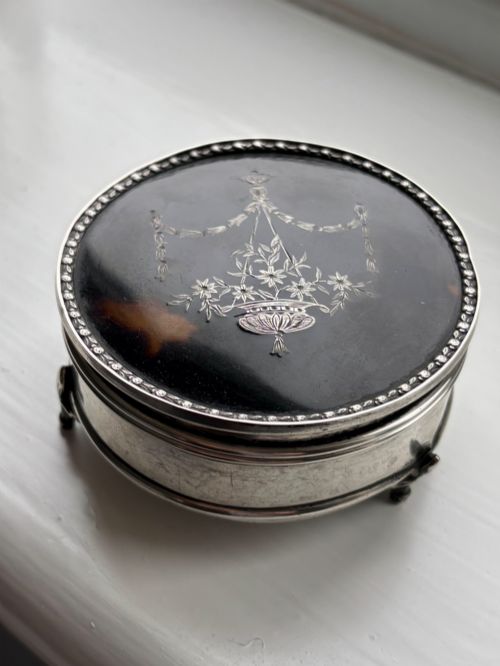
A silver mounted caddy brings together rich timber, glass or tortoiseshell and precious metal mounts for storing precious leaf or biscuits.
Silver Mounted Caddy
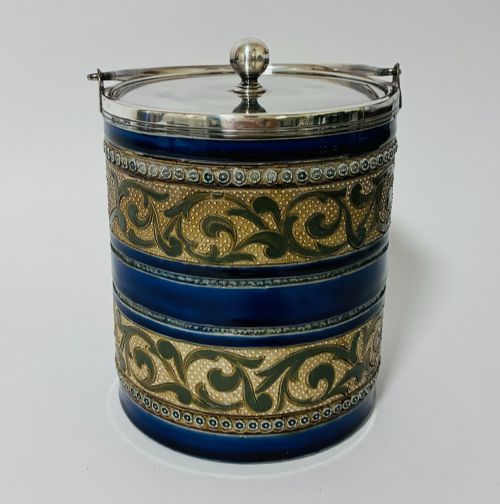
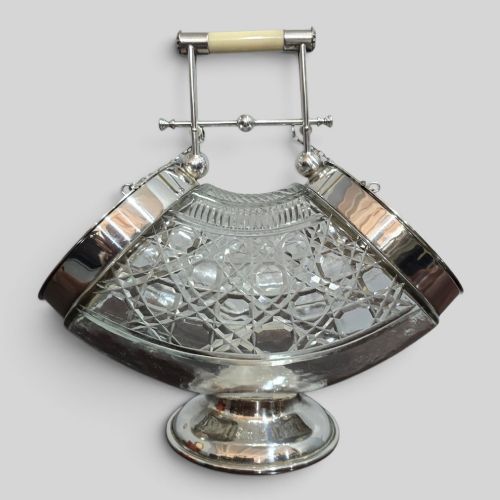
When you search for a silver mounted caddy, you are looking at containers built to hold tea, biscuits or dry goods, elevated by sterling silver or silver plated fittings. The most frequent versions you meet here are Georgian and Victorian tea caddies or Edwardian biscuit barrels in wood, glass and tortoiseshell.
These pieces cross several forms, from tea caddies and twin tea caddies to biscuit barrels, dressing table boxes and stationary boxes. Their origins stretch from the eighteenth century through the Victorian and Edwardian eras into the twentieth century, reflecting shifting domestic habits.
How they were made
Cabinet makers constructed the bodies from timbers like oak, mahogany, satinwood, burr maple and burr walnut, alongside organic materials such as tortoiseshell, mother-of-pearl and shagreen. Cut glass and ceramic bodies also appear, shaped into barrels, drums or bow-fronted boxes.
Silversmiths and metalworkers added cast or stamped sterling silver and silver plated mounts, hinges and feet. These metal elements were fastened securely to the wooden or glass carcasses to handle daily lifting and opening.
Materials recorded across the inventory include oak, mahogany, tortoiseshell, cut glass, sterling silver and silver plate.
What varies in quality
The division between standard and superior pieces rests on the choice of materials and the precision of the cabinetry. Finer examples display carefully selected wood veneers, such as burr maple or tortoiseshell, matched with substantial sterling silver mounts rather than thin silver plate.
Originality of the mounts and interior fitments dictates the standing of a piece. Boxes that retain their matching internal lids, key escutcheons and unbroken glass cutting hold greater integrity than those with replaced elements or altered interiors.
Ollivant & Botsford·William Rudkins·Lenzkirch·John Grinsell & Sons
The Silver Mounted Caddy Glossary
- Escutcheon
- A protective metal plate surrounding a keyhole. It is often cast in silver or brass on these boxes.
- Shagreen
- Undyed skin from a shark or ray, dried and worked to create a pebbled texture. It appears on eighteenth-century boxes.
- Tantalus
- A locking wooden frame holding decanters or bottles visible behind bars. The mechanism prevents pouring without a key.
- Tortoiseshell
- The patterned carapace of certain sea turtles used as a thin veneer. It provides a translucent amber and brown surface.
Silver Mounted Caddy: Frequently Asked Questions
What did a silver mounted caddy store?
These containers were originally designed to store and preserve high-value dry goods, most notably tea leaves when tea was an expensive commodity. Over time, similar mounted boxes and barrels adapted to hold biscuits, sweets or stationary.
Today, they function as decorative storage boxes for small household items or remain collected for their historic craftsmanship and material combinations.
How do I date a silver mounted caddy?
Dating relies on combining the stylistic clues of the cabinet work with any silver hallmarks present on the mounts. Georgian pieces often show simpler mahogany or tortoiseshell lines, while Victorian and Edwardian examples lean toward heavier silver plating and oak.
Examining the construction methods inside the box, such as hand-cut dovetails or lining materials, helps confirm the period of manufacture.
How do I care for tortoiseshell and silver?
Tortoiseshell requires gentle dusting with a soft dry cloth and protection from direct sunlight and extreme heat to prevent warping or cracking. Silver mounts need occasional light polishing with a non-abrasive cloth to maintain their finish without harming the surrounding wood.
Keeping the interior dry and avoiding harsh chemical cleaners preserves both the organic veneer and the metal hardware.
Why are some caddies converted?
Certain boxes designed for one specific purpose were adapted later in life to serve another domestic need, such as turning a tea container into a stationary box. This practice happened as households evolved and older objects needed new roles to remain useful.
Such conversions reflect the enduring utility of well-made wooden and silver mounted containers across different generations.