






Silver Metal Pint Mug
These silver metal pint mug examples span the Georgian, Victorian, and 1900 periods, offering drinking vessels shaped by traditional metalwork.
Silver Metal Pint Mug
A silver metal pint mug is a drinking vessel designed for capacity and daily use, typically found in tankard and mug forms across this selection. Buyers browsing for a silver metal pint mug encounter items spanning the 18th century, Georgian era, 19th century, and 1900 period.
The items listed include specific pint and quart capacities alongside smaller tankard variations in various metals. Originating mainly from British workshops and makers, these pieces reflect domestic dining and drinking traditions of their respective eras.
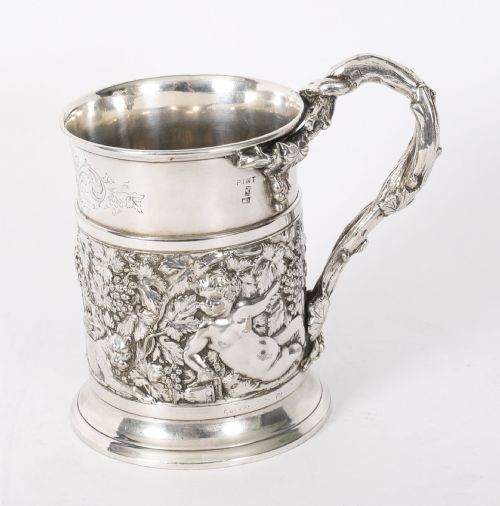
Old Sheffield plate and pewter dominate the physical offerings, supplemented by silver plate, copper, and white metal examples. Most pieces align with Georgian, Victorian, and Arts and Crafts styles, showing embossed, engraved, or plain cylindrical surfaces.
Methods and materials in construction
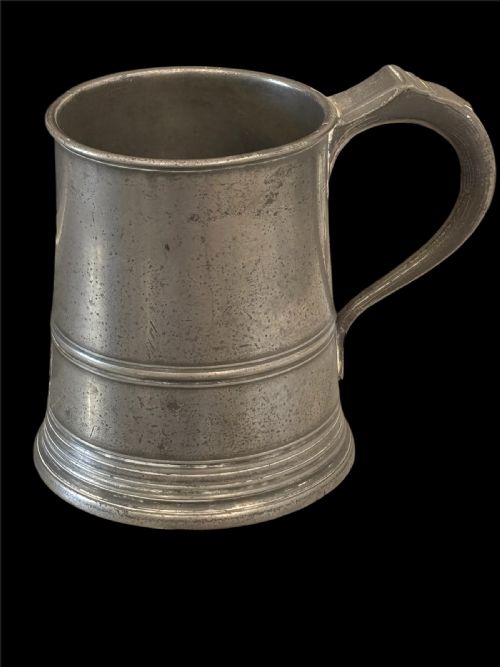
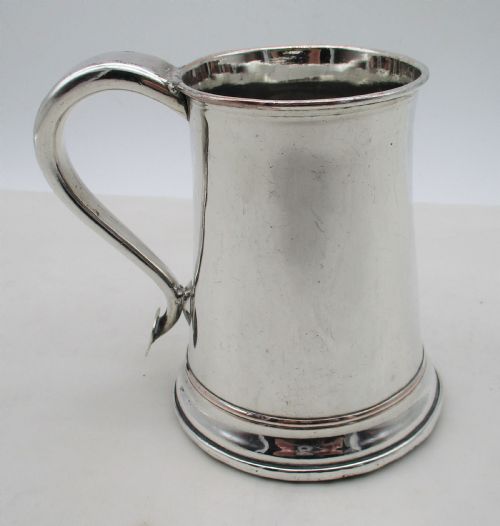
Old Sheffield plate pieces utilise a fusion process where a layer of silver is fused to a copper base, often finished with applied wire rims. Pewter objects rely on casting and hammering metal alloys containing tin, lead, or copper to achieve solid, functional walls.
Surface ornamentation on Victorian and Georgian items includes hand engraving and embossing techniques executed directly onto the metal body. Gilding appears as a secondary treatment on interior surfaces to protect the base metal from tarnishing or corrosion.
Recorded styles span Georgian, Victorian, and Arts & Crafts designs across tankards and mugs.
Assessing quality in metal tankards
Quality rests in the integrity of the fusion between silver and copper in Old Sheffield plate, where base metal bleeding indicates wear or initial manufacturing thinness. Crispness in embossed and engraved decorative motifs distinguishes standard production from finer craftsmanship.
The weight of the metal and the stability of applied handles and feet reveal the original standard of manufacture. Preservation of original gilding and minimal distortion to cylindrical bodies separate superior examples from heavily handled pieces.
G R Collis·Richard Morton·Liberty & Co Tudric
The Silver Metal Pint Mug Glossary
- Old Sheffield Plate
- A composite material made by fusing a thin sheet of silver to a thicker copper ingot before rolling into sheets. This technique was largely superseded by electroplating in the nineteenth century.
- Pewter
- A malleable metal alloy consisting primarily of tin combined with copper, antimony, or lead. It was widely utilised for domestic tableware and drinking vessels.
- Quart
- A liquid capacity measure equal to two pints, commonly found on larger historical tankards in this selection. Quart vessels provided substantial capacity for communal or individual ale consumption.
- Gilding
- The application of a thin layer of gold or gold-coloured wash to the interior surface of a metal vessel. This process prevented direct contact between beverages and reactive base metals.
Silver Metal Pint Mug: Frequently Asked Questions
What is a silver metal pint mug used for?
These vessels were originally manufactured for consuming ale, beer, or other beverages in domestic and tavern settings. Today, they function as display pieces or collection centerpieces.
Their sturdy construction reflects a time when metal drinking vessels were standard household items. Collectors often appreciate them for their historical utility rather than daily dining use.
How do I identify Old Sheffield plate?
Old Sheffield plate can often be identified by examining the edges and seams where the underlying copper shows through the silver layer. This fused composite predates nineteenth-century electroplating methods.
Items made this way exhibit a warm glow and distinct weight compared to solid silver or modern plated alternatives.
What periods do these tankards cover?
The selections span the eighteenth century, the Georgian era, the nineteenth century, and the nineteen-hundreds. Each period introduces distinct stylistic traits.
Early pieces lean toward plain utilitarian forms, while Victorian and Arts and Crafts examples incorporate embossing and organic motifs.
Are pewter and silver plate cleaned differently?
Pewter requires gentle cleaning to preserve its characteristic dull grey patina without abrasive polishing. Silver plate tolerates mild silver dips or soft cloths designed for plated surfaces.
Avoiding harsh chemical cleaners protects the underlying copper layers of Old Sheffield plate and the surface details of embossed pewter.