


Silver Head Walking Stick
A silver head walking stick is a gentleman's accessory pairing a precious metal handle with a timber shaft, collected for its artistry and craftsmanship.
Silver Head Walking Stick
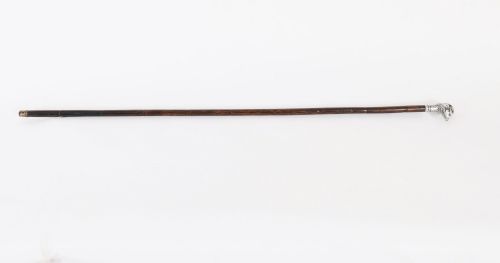
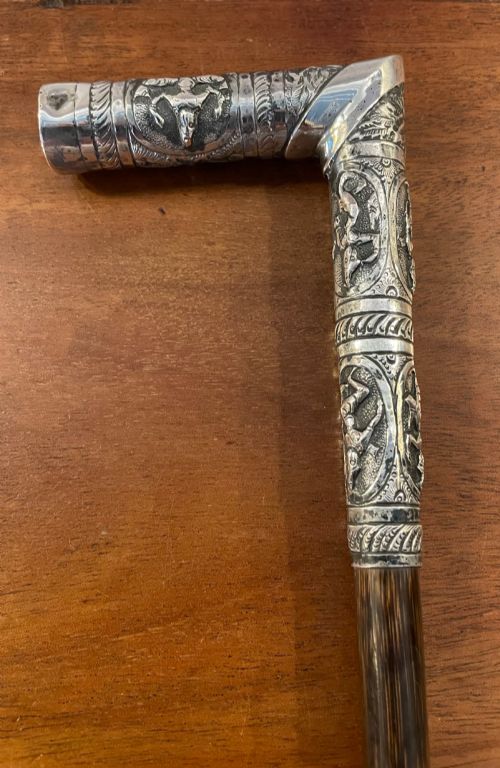
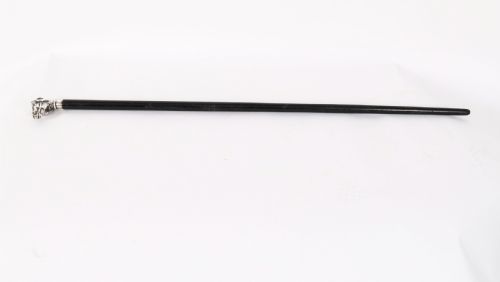
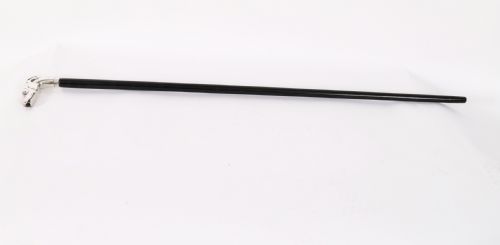
When you search for a silver head walking stick, you encounter functional accessories produced in the nineteenth and early twentieth centuries. These pieces combine a shaped metal top with shafts formed from wood, hardwood, or ebonised wood.
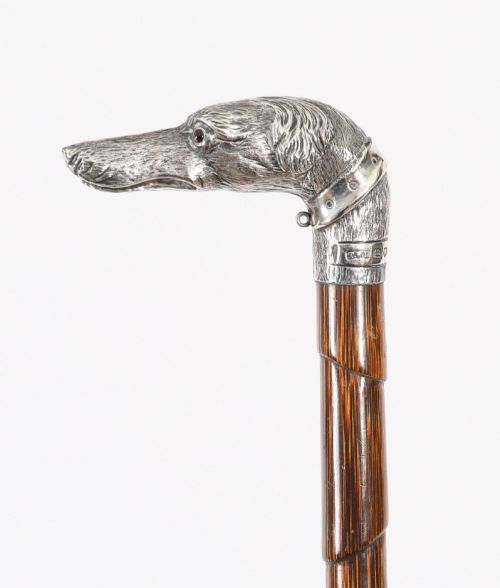
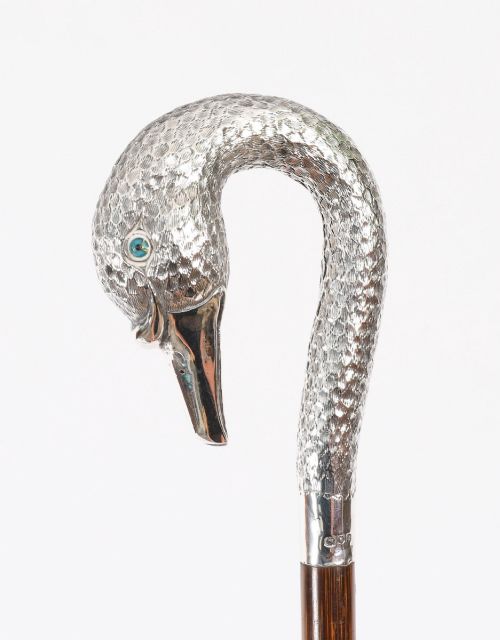
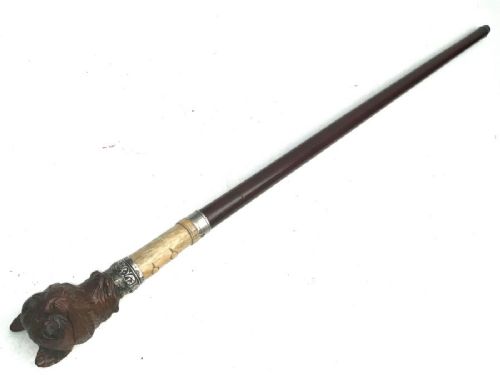
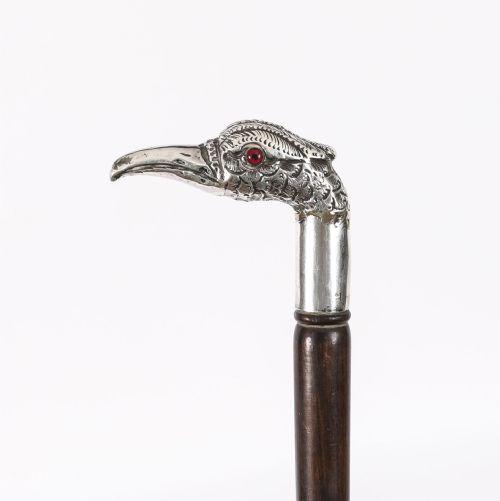
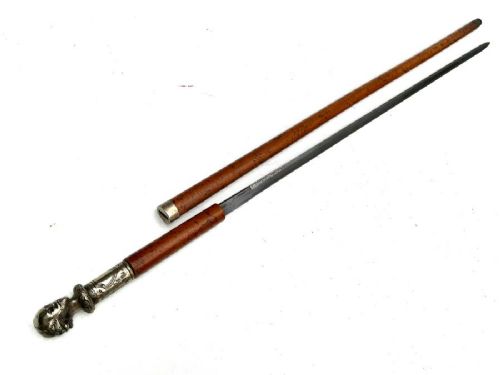
The most common examples on this page feature animal forms such as dogs, birds, and waterfowl mounted on timber shafts. Makers also produced novelty handles, military sword sticks, and parasol handles during the Victorian and Edwardian eras.
Origins span British, French, German, and Asian workshops, reflecting diverse regional manufacturing traditions. Collectors find standard walking sticks alongside specialised items shaped like golf clubs or sporting equipment.
How They Were Made
Shafts rely on dense timbers including ebonised wood, bamboo, and standard hardwoods to support the weight of the metal top. Metal components like steel appear in internal sword blades, while glass occasionally contributes to specific handle details.
Listings feature silver, sterling silver, and silver-plated handles mounted on wood, ebonised wood, and bamboo shafts.
What Varies in Quality
The precision of the metal casting dictates the refinement of the handle, separating mass-produced items from finely detailed animal carvings. Crisp definition in fur and feather work denotes superior silversmithing.
The union between the silver top and the wooden shaft reveals the maker's skill. Robust construction and balanced proportion ensure the stick hangs correctly in the hand during use.
Asprey·Brigg·Ben Cox
The Silver Head Walking Stick Glossary
- Sterling Silver
- A silver alloy containing ninety-two point five percent pure silver by mass. This standard metal appears frequently on British handles.
- Ebonised Wood
- Timber treated to resemble ebony through a dark staining process. It provides a durable, black shaft for many silver-topped canes.
- Hallmark
- An official stamp applied to precious metals indicating purity, origin, and date. These marks help identify the workshop and year of manufacture.
- Sword Stick
- A walking stick concealing an integrated steel blade within the wooden shaft. These pieces served as dual-purpose gentleman's items.
- Parasol Handle
- A decorative metal top designed for a sunshade rather than a walking cane. They share similar silver-working techniques with standard stick heads.
Silver Head Walking Stick: Frequently Asked Questions
How do I date a silver head walking stick?
Dating relies on reading the hallmarks stamped into the metal handle, which indicate the assay office and year of manufacture. Stylistic clues in the carving and the type of wood used on the shaft also help place the piece within the nineteenth or twentieth century.
Items lacking clear hallmarks require stylistic comparison with dated pieces from the same period. Victorian and Edwardian examples often display distinct aesthetic traits associated with their decade.
Were these sticks used for walking?
Most pieces served as practical daily accessories for gentlemen and ladies navigating urban streets. The solid shafts and balanced handles provided physical support alongside a display of social status.
Some specialised variants, such as sword sticks or sporting items, fulfilled specific dual roles. These catered to military officers or sportsmen during the Victorian era.
How should I display a walking stick collection?
Canes are typically housed in umbrella stands or wall-mounted racks that support the shaft upright without placing pressure on the handle. Keeping pieces away from direct sunlight and fluctuating humidity protects the timber and metal.
Displaying them at their natural height allows the detail of the silver animal heads to remain visible. Proper spacing prevents accidental contact between individual handles.
What is the difference between a cane and a walking stick?
Historically, canes often denoted lighter, more slender shafts associated with evening wear or formal attire. Walking sticks frequently utilised sturdier hardwoods intended for outdoor use across rough terrain.
In modern collecting, these terms are often used interchangeably to describe both styles. The distinction rests primarily on the weight and thickness of the wooden shaft.