
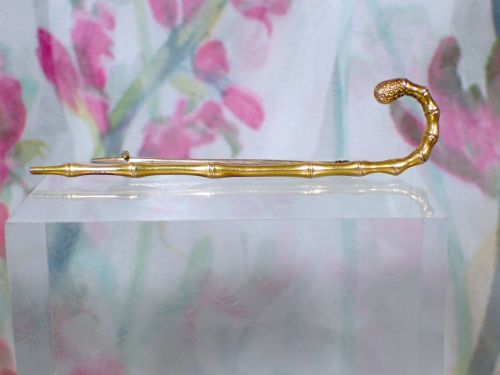
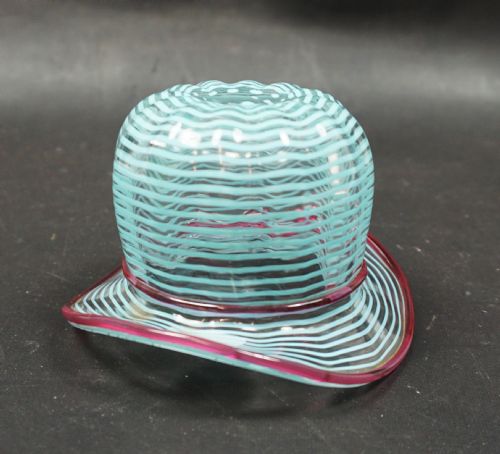
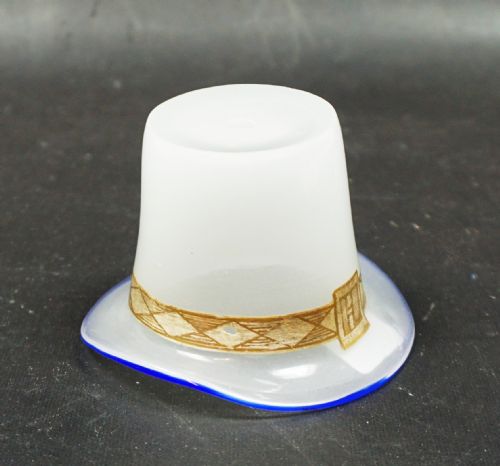


Antique Novelty Cane
An antique novelty cane turns a gentleman's daily walk into a display of wit through carved animal heads and concealed mechanisms.
Antique Novelty Cane
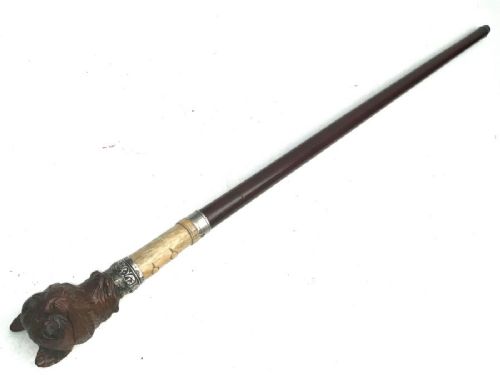
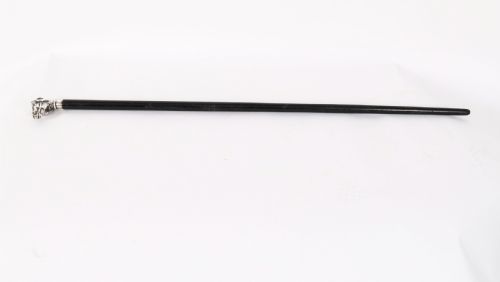
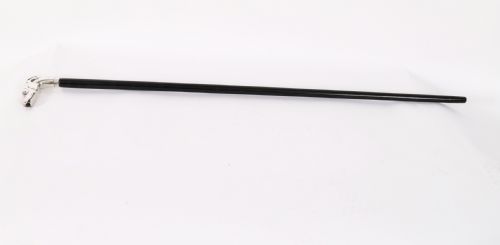
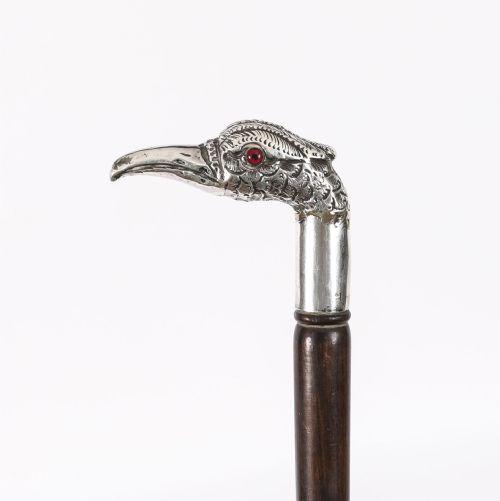
When you search for an antique novelty cane, you encounter walking sticks and umbrella handles fitted with figurative tops like dogs, ducks, horses, and human fists. These pieces date principally from the nineteenth century through the Edwardian period and Art Deco years.
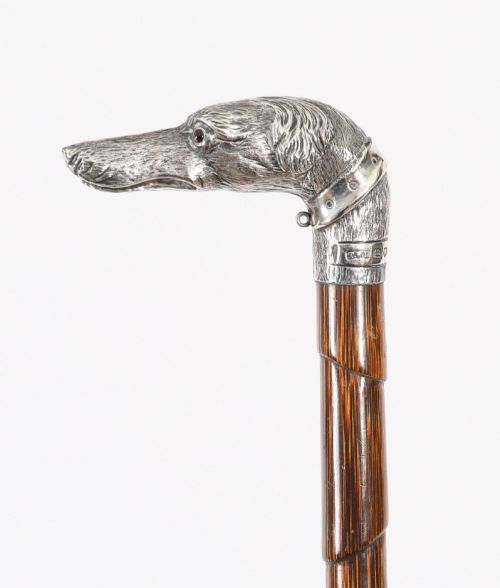
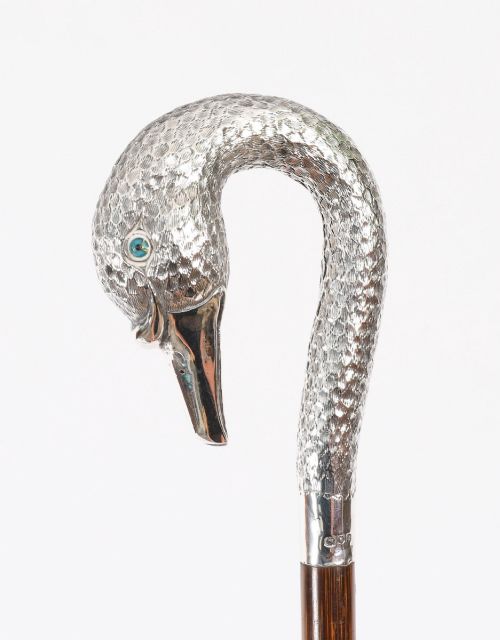
The most common examples on this page are silver-handled walking sticks featuring animal forms such as greyhounds, swans, and boars, alongside functional gadget canes.
Makers produced these items in England, France, and Germany, incorporating materials from standard hardwoods to specialist items like Black Forest carvings.
Materials and construction
Makers fashioned shafts from sturdy timbers including snakewood, hardwood, and fruitwood, paired with handles cast in sterling silver, plated metal, brass, bone, or horn.
Figurative handles required skilled metal casting or detailed hand-carving, while gadget versions integrated complex internal mechanisms like corkscrews, telescopes, swords, and watches into the wooden shafts.
The inventory spans the Victorian and Edwardian periods, the nineteenth century, and the Art Deco era.
Judging quality
Quality rests upon the crispness of the handle's casting or carving and the precision with which concealed functional elements operate within the shaft.
Superior pieces display substantial silver mounts with clear hallmarks, robust joints between handle and shaft, and imaginative novelty designs that go beyond standard utilitarian forms.
Asprey
The Antique Novelty Cane Glossary
- Gadget cane
- A walking stick housing a hidden functional object such as a watch, corkscrew, telescope, or sword within the shaft.
- Black Forest
- A style of detailed wood carving originating from the German region, often depicting realistic animals.
- Snakewood
- A dense, heavy tropical timber prized for its distinctive natural mottled grain resembling snakeskin.
- Opaline glass
- A pale, semi-translucent art glass developed in nineteenth-century Europe, occasionally decorated with coloured cane work.
- Pommel
- The rounded knob or decorative handle fitted to the top of a walking stick or cane.
Antique Novelty Cane: Frequently Asked Questions
What is an antique novelty cane?
An antique novelty cane is a walking stick featuring a decorative handle shaped like an animal head or human feature, or containing a hidden tool.
These pieces served as fashionable accessories for gentlemen and ladies during the Victorian and Edwardian eras.
How do I spot a gadget cane?
Gadget canes typically include subtle seams, unscrewing handles, or release catches built into the shaft to conceal items like corkscrews or blades.
Examining the construction near the collar often reveals the mechanism used to access the hidden compartment.
What materials were used for handles?
Handle materials commonly include sterling silver, silver plate, carved wood, horn, bone, and occasionally 15ct gold.
Makers matched these decorative tops with durable wooden shafts made from snakewood, fruitwood, or standard hardwoods.
How do I date these canes?
Dating relies on silver hallmarks, regional styles, and specific patented mechanisms found on the piece.
Victorian and Edwardian examples frequently feature stamped assay office marks that pinpoint the exact year of manufacture.