
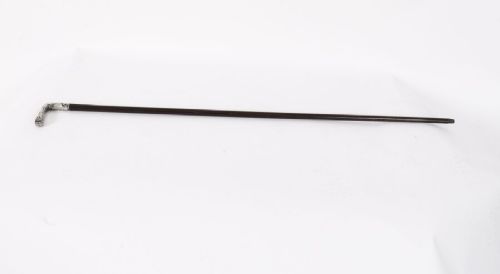
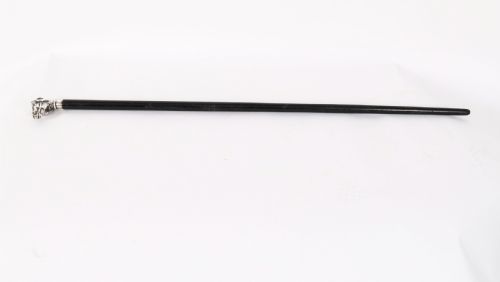
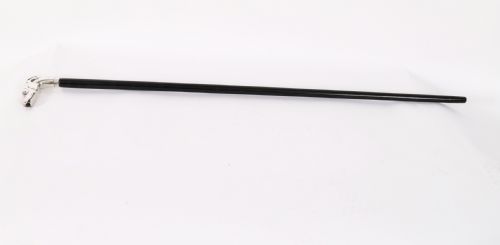
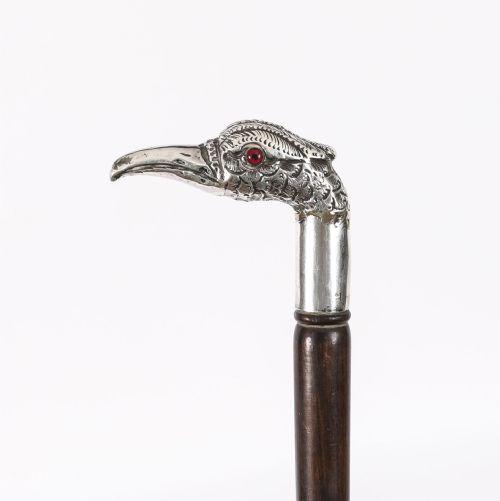


Victorian Silver Dress Cane
These victorian silver dress cane pieces are elegant accessories of the nineteenth century that combine decorative metalwork with functional shafts, prized by collectors for their craftsmanship and historical character.
Victorian Silver Dress Cane
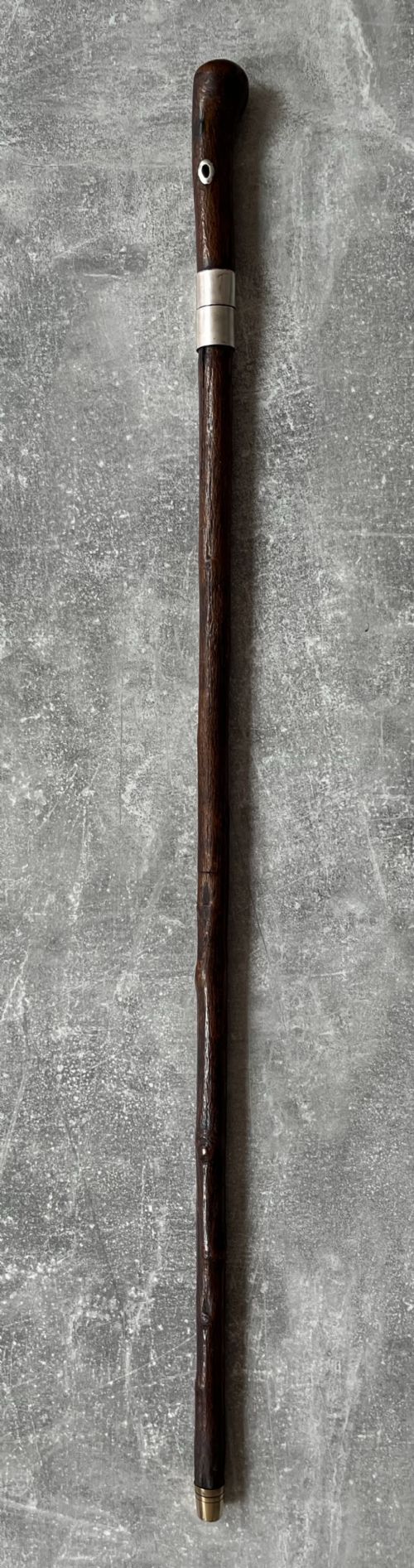
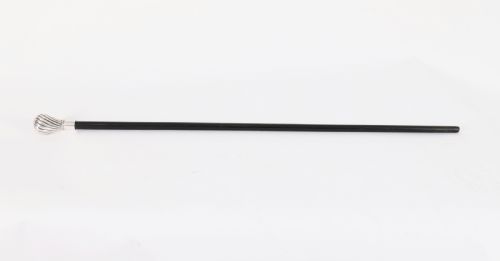
A victorian silver dress cane is a traditional gentleman's accessory designed for social carriage rather than heavy support. When you search this phrase, you find walking sticks and canes featuring decorative metal handles paired with slender timber shafts.
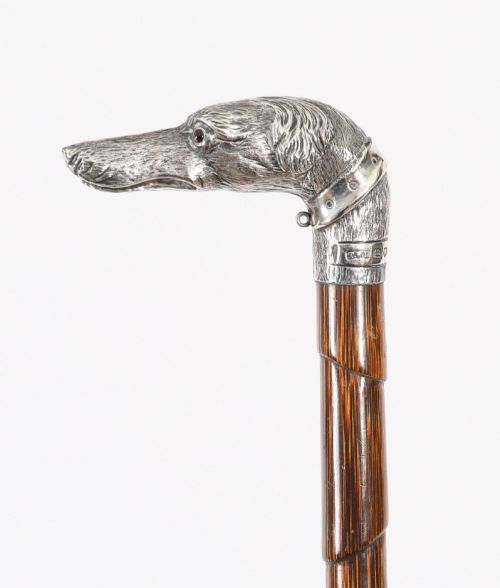
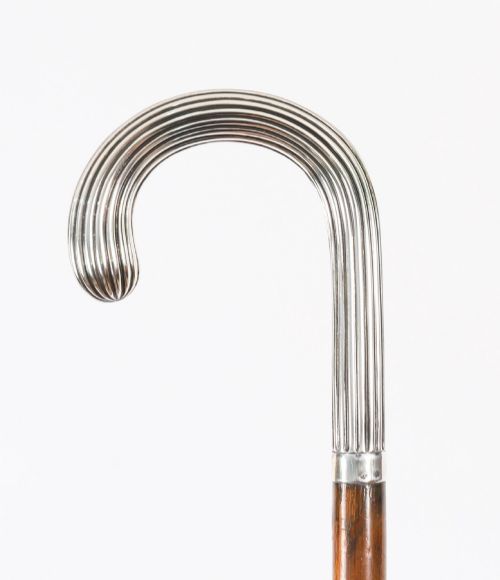
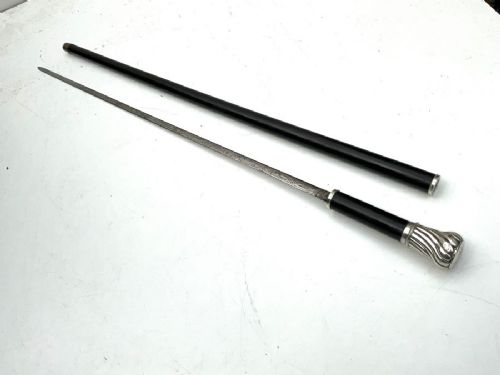
The selections on this page span the nineteenth century and the Edwardian era, taking forms such as standard walking canes, novelty animal heads, and concealed sword sticks. Examples range from plain silver tops to detailed embossed designs and specialised watch canes.
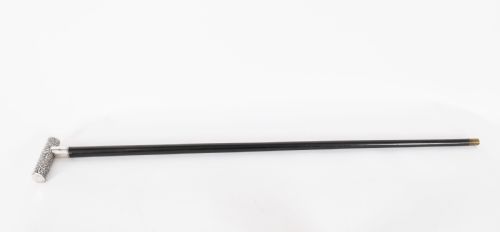
Origins vary from English workshops to continental Europe, China, and Anglo-Indian makers. Buyers often encounter ebonised wood or exotic hardwoods combined with continental silver, silver plate, or solid silver mounts.
How they were made
Handles were formed from silver or silver plate, often utilising techniques like embossing and chasing to create detailed animal motifs, including greyhounds, horses, boars, and pheasants, alongside floral patterns like prunus blossom.
Shafts were fashioned from selected timbers including ebonised wood, hazel, oak, snakewood, and palm wood. These materials were chosen for straightness, durability, and a polished appearance that contrasted with the metal handle.
Several walking sticks double as operational watch canes, letting a gentleman check the time right on top of his handle.
What varies in quality
Quality rests in the artistry of the handle and the integrity of the materials. Finely cast or hand-embossed silver depicting distinct animal forms sits well above plain, mass-produced metal tops.
The connection between the handle and the wooden shaft demonstrates the maker's skill. Solid silver mounts paired with dense, figured hardwoods like snakewood or palm wood represent the superior end of the range.
Henry Borlase Stevens
The Victorian Silver Dress Cane Glossary
- Dress cane
- A light walking stick carried as a fashion accessory by gentlemen rather than used for orthopedic support. These items often feature decorative metal handles.
- Ebonised wood
- Timber treated with a dark stain or finish to imitate ebony. This material provides a uniform black surface that highlights silver mounts.
- Sword stick
- A walking cane containing a concealed blade within the wooden shaft. These pieces combine a subtle exterior with a hidden steel weapon.
- Snakewood
- A dense, heavily figured hardwood named for its mottled pattern resembling snake skin. It appears on finer walking canes.
- Hallmark
- An official stamp applied to precious metals indicating purity and origin. English silver examples frequently display these diagnostic marks.
Victorian Silver Dress Cane: Frequently Asked Questions
What is a dress cane?
A dress cane is a lightweight walking stick used primarily as a fashion accessory during the nineteenth and early twentieth centuries.
Unlike utility sticks, these pieces prioritize decorative silver handles and polished wooden shafts over heavy physical support.
How do I identify a sword stick?
A sword stick contains a concealed steel blade fitted securely inside the hollow wooden shaft of the walking cane.
These pieces often feature a discreet locking mechanism or a seamless join where the handle meets the body to hide the blade.
Are novelty handles common?
Novelty handles shaped like animal heads or figures are a distinct feature of nineteenth-century walking sticks.
Common animal motifs include greyhounds, horses, boars, and pheasants rendered in embossed silver or silver plate.