


French Walking Stick
A french walking stick carries the elegance of the nineteenth century, offering discerning collectors both functional support and remarkable decorative artistry.
French Walking Stick
A french walking stick encompasses sophisticated walking canes, specialised sword sticks, and associated umbrella stands found across the nineteenth century and the Belle Epoque. These items serve as tangible expressions of status, often integrating utility with concealed blades or decorative handles.
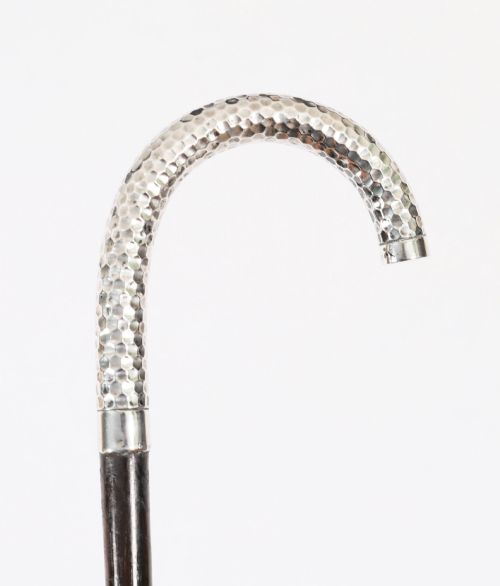
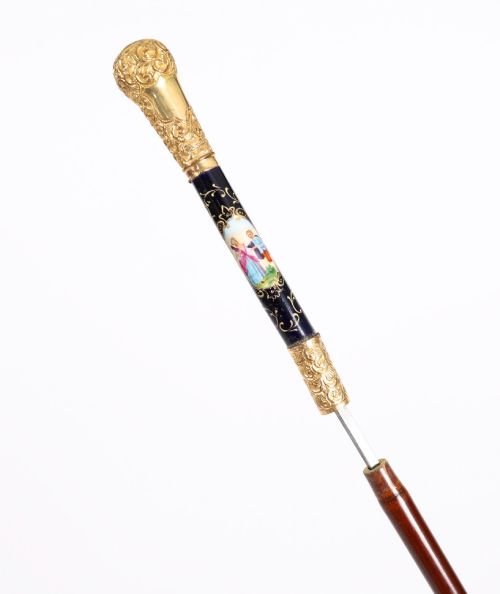
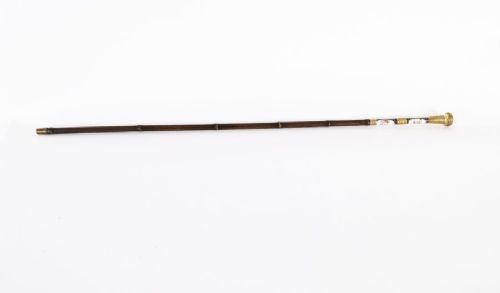
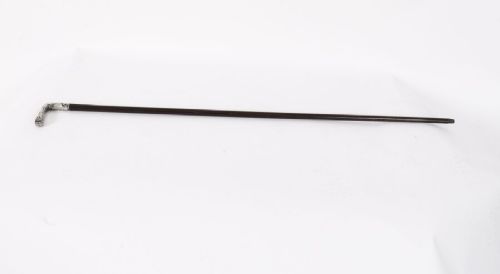
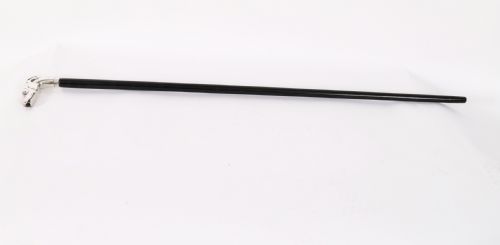
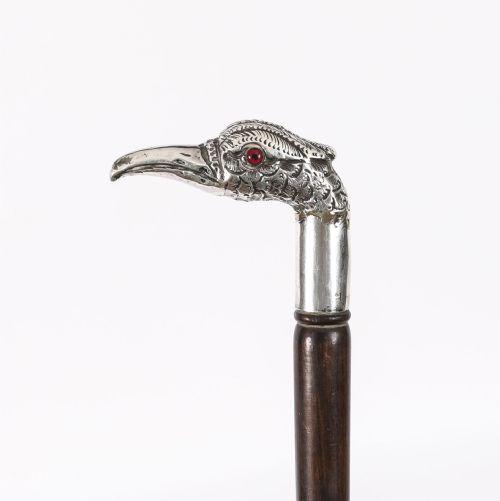
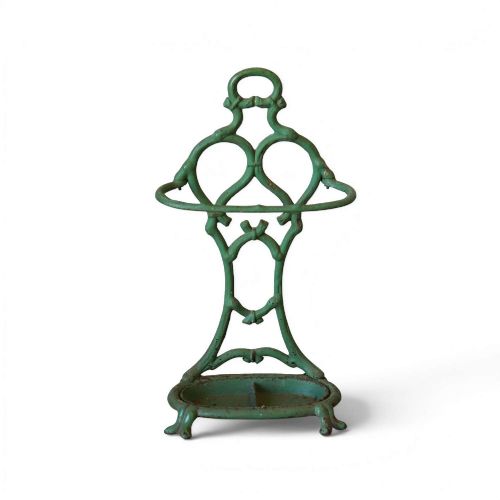
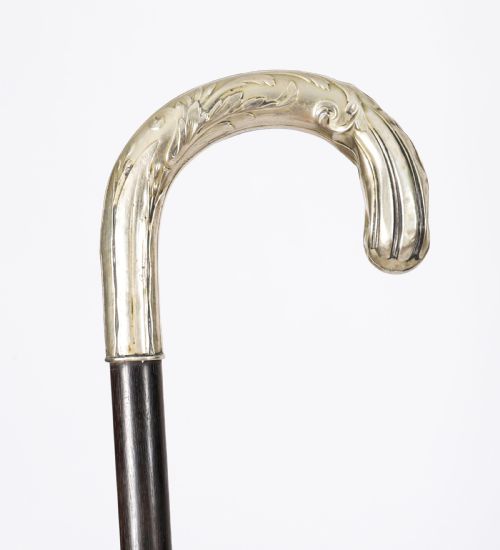
Collectors frequently encounter pieces featuring ebonised wood shafts paired with silver, gold plate, or porcelain elements from Sevres. Art Nouveau designs appear regularly, displaying organic motifs, cast iron structures, and elaborate metalwork characteristic of the period around nineteen hundred.
Materials and Construction
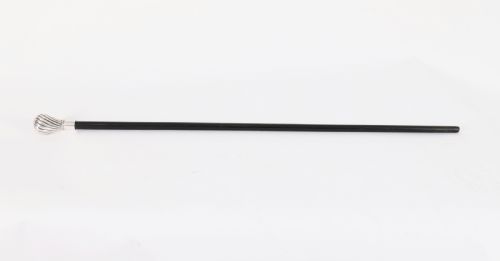
Maker construction methods rely heavily on pairing rigid hardwoods, such as ebonised wood, with precious metals including silver, gold plate, and gilt metal. Handles frequently incorporate organic materials like horn, antler, and snakeskin coverings over the haft.
Specialised examples integrate porcelain components from Sevres or cast iron frameworks styled to resemble bamboo and faux bois. Metalwork techniques span intricate silver plating and cast iron moulding for both individual canes and hall stands.
Listings demonstrate a strong presence of nineteenth century materials, combining ebonised wood, silver, and Sevres porcelain.
Factors of Quality
Quality rests upon the precision of the handle casting, the integration of precious materials like silver or Sevres porcelain, and the condition of specialised mechanisms found in sword sticks or watch canes. Superior examples display crisp chasing on metal mounts and stable, well-preserved organic coverings.
The artistic ambition of the design distinguishes standard items from exceptional pieces, particularly within Art Nouveau and Belle Epoque iterations. Finer specimens maintain original patination on wood shafts and secure mountings without structural compromise.
The French Walking Stick Glossary
- Ebonised wood
- Timber treated to resemble ebony, providing a dense, dark shaft for nineteenth century canes. This finish offers a stark contrast against silver or porcelain handles.
- Sevres porcelain
- Fine ceramic material produced in France, frequently utilised for decorative handle sections. These porcelain inserts often feature hand-painted details.
- Sword stick
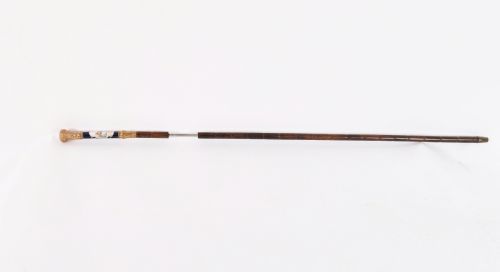
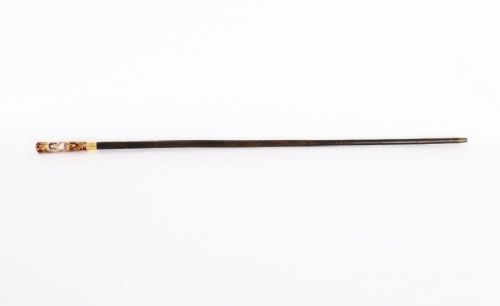
- A cane concealing a metal blade within the shaft, requiring precise internal alignment. Such pieces represent dual-purpose accessories of the period.
- Faux bois
- A decorative technique imitating natural wood grain, commonly seen on cast iron umbrella stands. This finish mirrors the organic aesthetics popular during the Art Nouveau era.
- Belle Epoque
- A period of French cultural and artistic refinement spanning the late nineteenth and early twentieth centuries. Canes from this time often exhibit elaborate floral or figurative metalwork.
French Walking Stick: Frequently Asked Questions
How do sword sticks function?
Sword sticks conceal a steel blade within the wooden shaft, secured by a locking mechanism near the collar.
Owners release the mechanism to draw the blade, combining personal defence with conventional walking support.
How are periods identified?
Periods are determined through stylistic indicators such as Art Nouveau plant motifs, the presence of Sevres porcelain, and specific metal hallmarks.
Materials like ebonised wood and cast iron further anchor pieces within the nineteenth century timeline.
How should these sticks be stored?
Sticks require stable indoor environments away from excessive humidity to protect delicate materials like snakeskin, horn, and wood shafts.
Displaying them in period cast iron umbrella stands helps maintain their structural integrity while keeping them upright.