
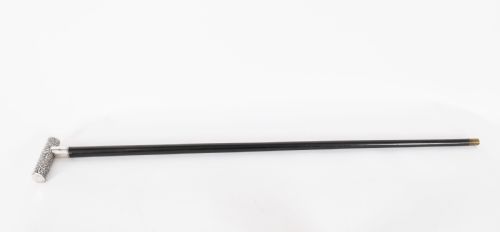
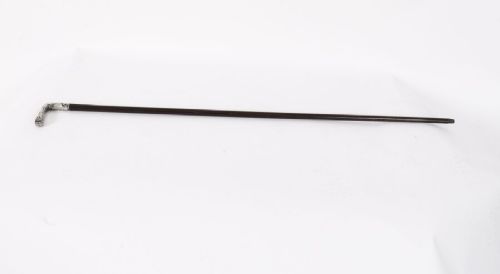
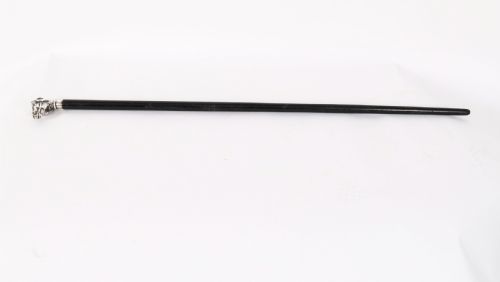
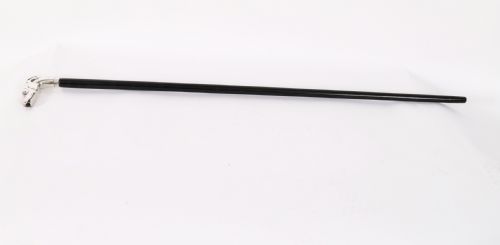


Ebonised Wood Walking Cane
An ebonised wood walking cane is a smart nineteenth-century accessory combining a dark blackened finish with silver or metal mounts.
Ebonised Wood Walking Cane
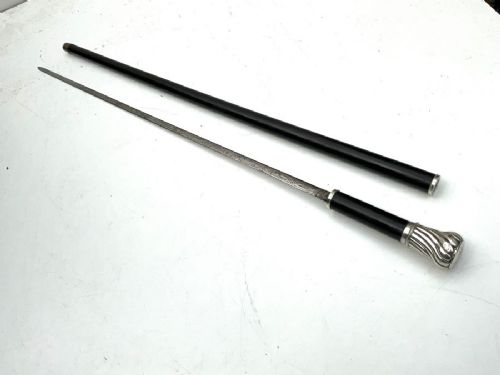
An ebonised wood walking cane is a sophisticated accessory from the nineteenth century, designed to look like expensive ebony by staining lighter timber black. These pieces range from simple Victorian gentleman's sticks to elaborate French and Chinese export examples featuring decorative handles.
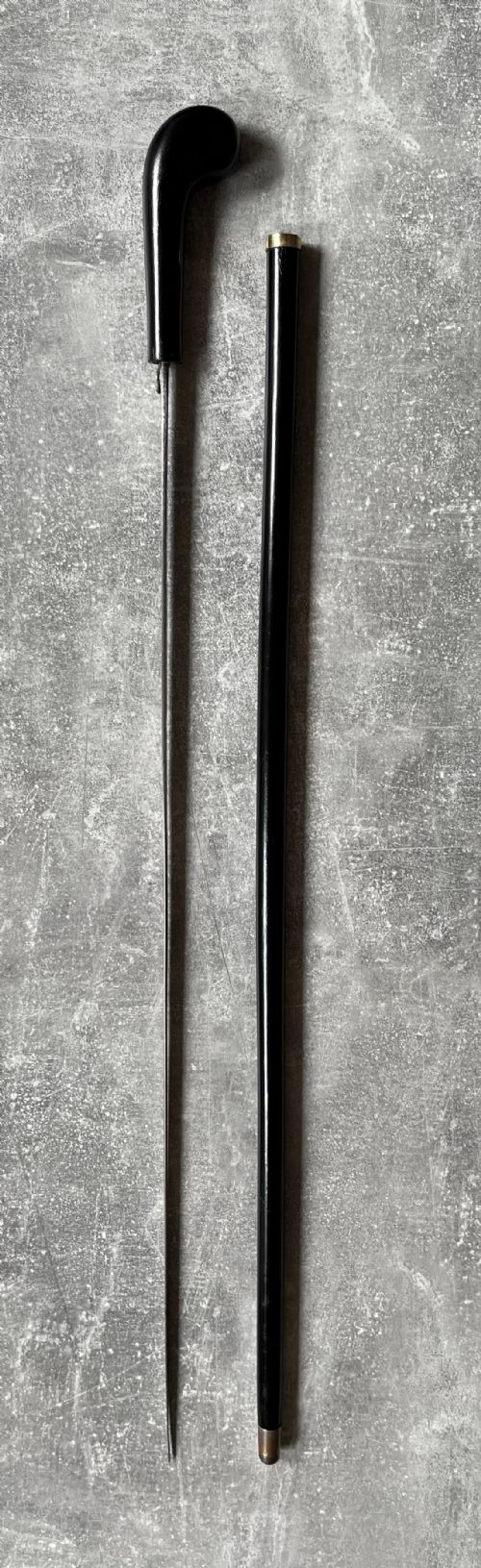
Most items you will meet on this page date from the Victorian era and the late nineteenth century, often incorporating precious metal collars or detailed figural grips. Alongside standard walking canes, the selection includes specialised forms such as sword sticks and novelty designs.
The materials span timber, ebonised wood, sterling silver, brass, and steel, reflecting the diverse manufacturing centres of Europe and Asia during this period. Whether English, French, or continental, each cane serves as a practical support and a distinct social marker of its time.
How they were made
Maker's workshops produced these canes by selecting straight timber shafts and applying a dark stain or polish to imitate dense tropical hardwoods. Skilled artisans then fitted metal collars, tips, and elaborate handles made from silver, brass, or horn.
Specialised examples required complex metalworking to conceal steel blades securely within the wooden shafts of sword sticks. Silver mounts frequently bore hallmarks indicating the year of manufacture and the assay office responsible for testing the metal quality.
Listings feature nineteenth-century pieces incorporating sterling silver, brass, steel, and timber.
What varies in quality
The distinction between ordinary and superior pieces rests on the artistry of the handle and the integrity of the ebonisation. Finely chased silver mounts depicting animals or botanical motifs indicate higher workshop standards than plain metal bands.
Balance and weight distribution also define the better specimens, ensuring the cane feels substantial yet nimble in the hand. The preservation of the original dark finish and the precise fit of internal mechanisms, such as concealed blades, further separate standard items from exceptional ones.
Kendall And Sons
The Ebonised Wood Walking Cane Glossary
- Ebonisation
- The process of staining lighter wood to resemble ebony, a technique widely used on nineteenth-century walking canes. This finish achieves a deep, dark lustre while utilising more accessible timber species.
- Hallmark
- An official stamp applied to precious metals indicating the standard of purity and the place of testing. English silver examples often display these marks near the collar.
- Sword stick
- A cane featuring a concealed steel blade fitted securely inside the wooden shaft. These nineteenth-century pieces combined traditional walking support with personal defence.
- Prunus blossom
- A decorative motif depicting plum flowers, frequently found on Chinese export silver handles from the 1870s. This Asian style influenced nineteenth-century European accessories.
- Collar
- The decorative metal band situated just below the handle of a walking cane. It frequently bears maker's marks or decorative engraving.
Ebonised Wood Walking Cane: Frequently Asked Questions
How can I date my walking cane?
Dating relies on examining silver hallmarks, structural styles, and the specific materials used in the handle and shaft. Nineteenth-century pieces frequently display stamped assay marks that pinpoint the exact year of manufacture.
Design motifs such as Chinese export prunus blossoms or Victorian hallmarks also help narrow down the production period.
Were all ebonised canes used for walking?
While primarily designed for support and fashion, some ebonised canes served alternative purposes. Examples include sword sticks housing concealed blades and novelty pieces containing hidden compartments.
These functional variations catered to travellers and gentlemen requiring discretion or specialised utility during the 1800s.
How do I care for ebonised wood?
Maintaining an ebonised wood walking cane involves keeping the timber away from excessive moisture and direct sunlight. Gentle cleaning with a dry or slightly damp cloth preserves the dark stain without stripping the finish.
Silver handles and mounts benefit from occasional polishing with a soft cloth to prevent tarnish while avoiding contact with the wooden shaft.