


Silver Handled Walking Stick
A silver handled walking stick combines everyday utility with sculptural metalwork, offering a glimpse into social standing and craftsmanship across the nineteenth and early twentieth centuries.
Silver Handled Walking Stick
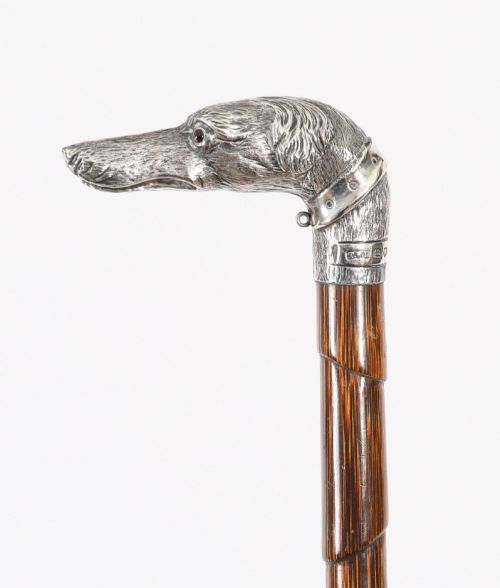
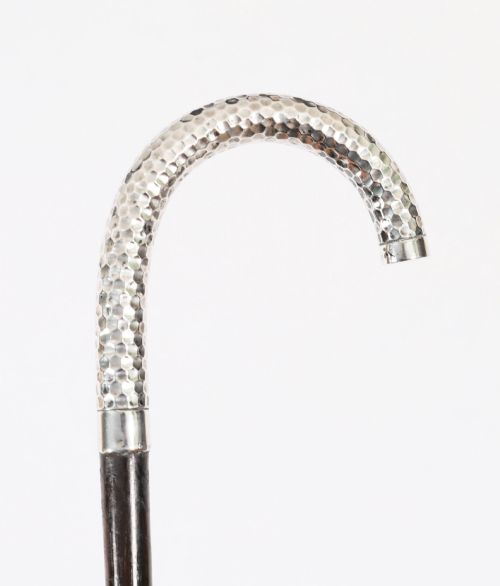
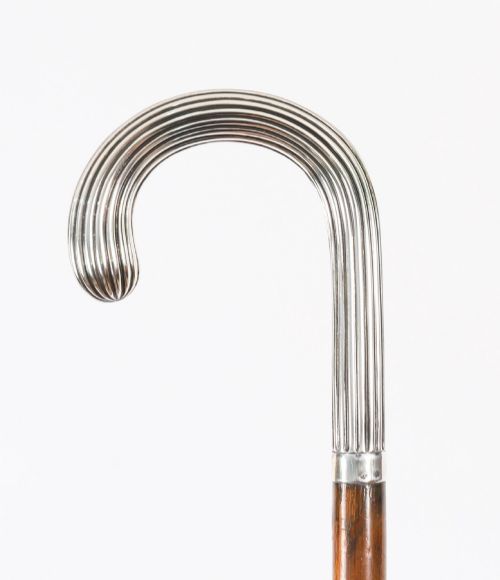
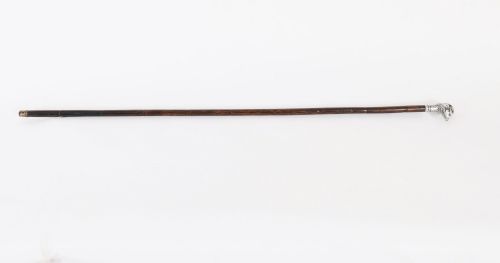
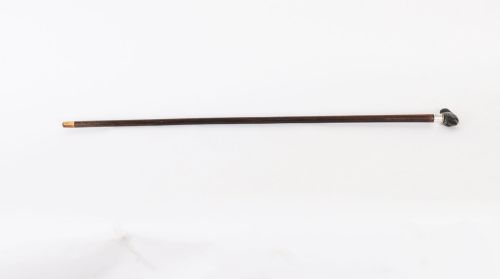
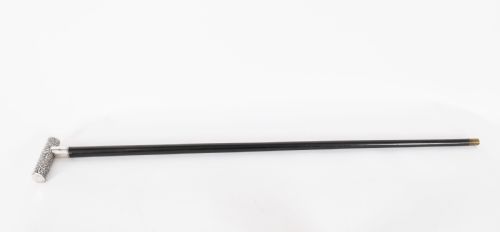
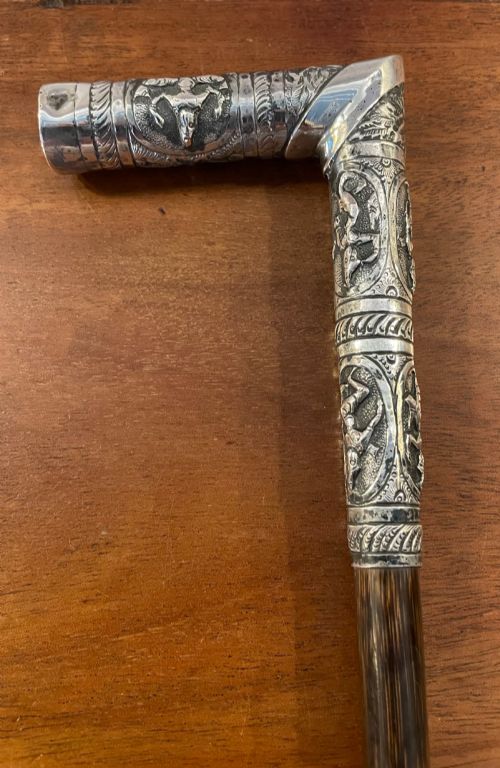
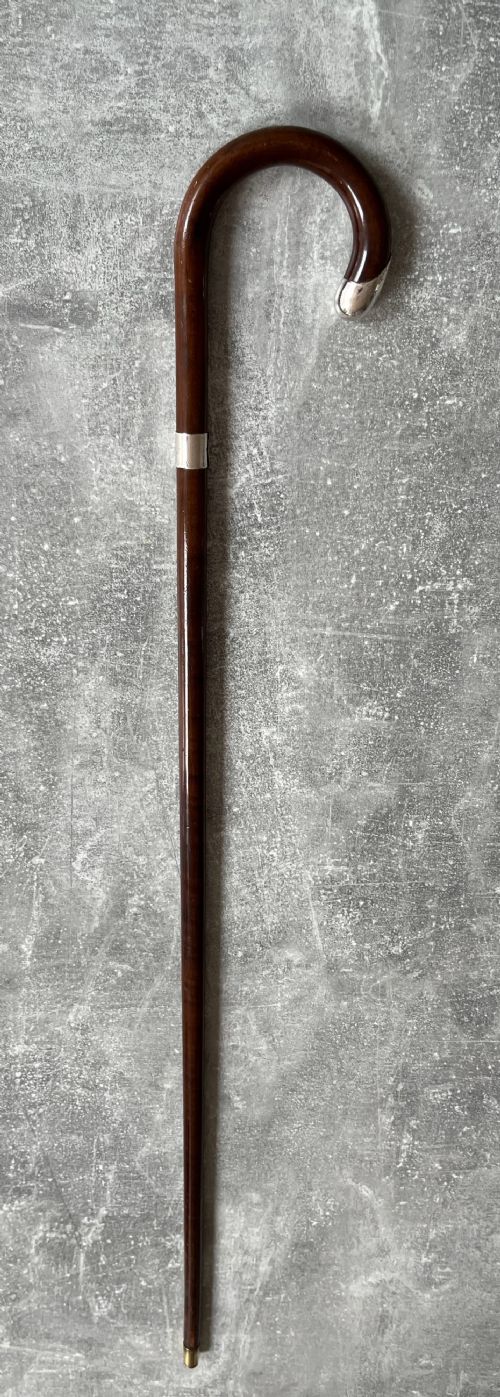
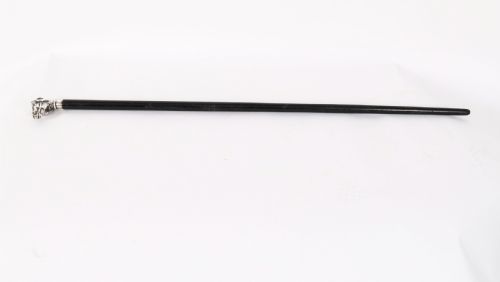
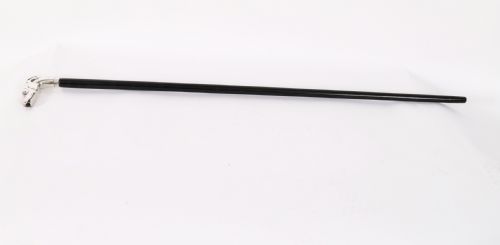
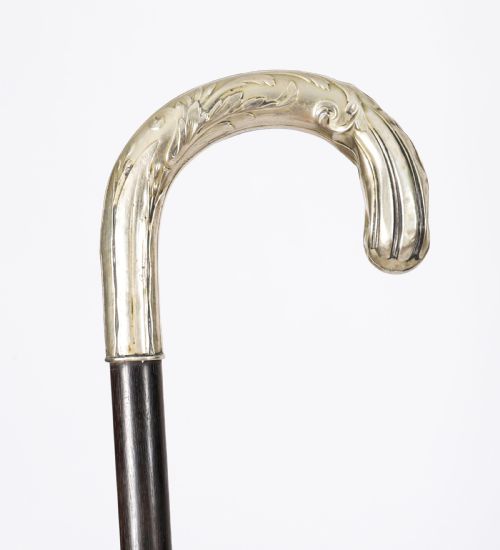
A silver handled walking stick is a gentleman's or lady's accessory featuring a precious metal grip mounted to a timber shaft, serving historically as both a support aid and a mark of fashion. The pieces found here span the Victorian, Edwardian, and Art Deco periods, encompassing plain embossed mounts as well as sculptural animal heads.
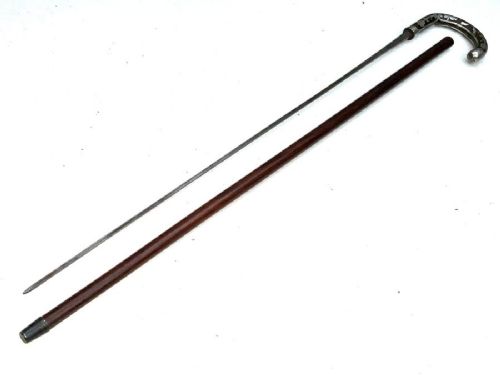
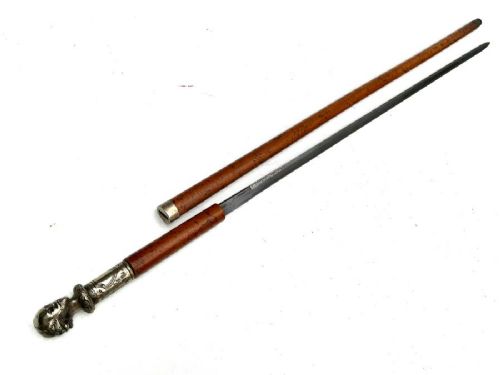
Novelty forms dominate the better examples, depicting ducks, greyhounds, horses, and parrots alongside utilitarian designs intended for concealment. Shafts vary from simple ebonised wood to exotic hardwoods like malacca and palm wood, often paired with hidden sword blades or snuff boxes.
Materials and Construction
Shafts rely on materials chosen for resilience and grain pattern, including ebonised wood, rosewood, and palm wood, whilst internal mechanisms for sword sticks incorporate steel blades by makers such as Wilkinson.
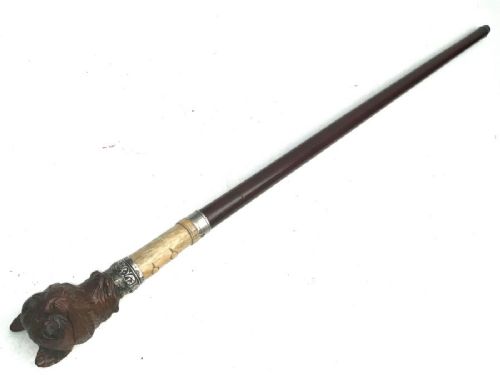
Listings feature silver handles paired with diverse shafts including bamboo, palm wood, ebonised oak, and horn.
Evaluating Quality
Complexity of function elevates certain pieces, such as hidden compartments, snuff boxes, or integrated corkscrews, alongside the presence of maker marks and specialist retailers.
Brigg·Swaine Adeney Brigg·Wilkinson·Asprey
The Silver Handled Walking Stick Glossary
- Repoussé
- A metalworking technique where the silver is hammered from the reverse side to form a raised design in relief on the surface. This method appears frequently on embossed nineteenth-century handles.
- Malacca
- A sturdy, mottled rattan cane imported from Southeast Asia and prized for walking stick shafts due to its flexibility and distinctive appearance. It often accompanies silver collars and steel blades.
- Ebonised
- Wood treated with a dark stain or finish to imitate ebony, providing a uniform black surface for walking stick shafts. It creates a high-contrast backdrop for silver mounts.
- Knop
- A rounded knob or ornamental handle at the top of a walking stick, sometimes formed from bone, horn, or silver. These provide the primary grip for the user.
- Hallmark
- An official stamp applied to precious metals indicating purity, origin, and sometimes the year of assay. English silver pieces frequently bear these stamps near the collar.
Silver Handled Walking Stick: Frequently Asked Questions
How do I date a silver handled walking stick?
Dating relies heavily on hallmarks stamped into the silver, which record the assay office and year of manufacture. Stylistic shifts, such as the transition from Victorian naturalism to geometric Art Deco designs, also help narrow the period.
Shaft materials and construction methods provide supporting clues. Earlier nineteenth-century examples often feature different timber choices and mounting techniques compared to Edwardian counterparts.
What is a sword stick?
A sword stick is a hybrid walking cane containing a concealed steel blade within the wooden shaft. They were carried by officers and gentlemen during the nineteenth and early twentieth centuries for personal defence.
The blade is typically secured by a locking mechanism or friction fit inside the cane. Surviving examples often feature maker-signed blades and silver collars.
How should I care for the silver handle?
Silver handles require gentle cleaning with a soft cloth to remove tarnish without wearing down embossed details or damaging the underlying wood. Avoid harsh chemical dips that can seep into the join between the metal grip and the shaft.
Storing the stick in a stable environment away from extreme humidity preserves both the metal and the natural timber or horn components.
Were these sticks used as medical aids?
While some sturdy canes provided genuine physical support, many silver handled walking sticks functioned primarily as fashion accessories and status symbols. The inclusion of novelty handles and hidden compartments points towards social display rather than pure utility.
Lighter specimens, including child's sticks and parasol handles, further indicate their role as elements of formal attire.