
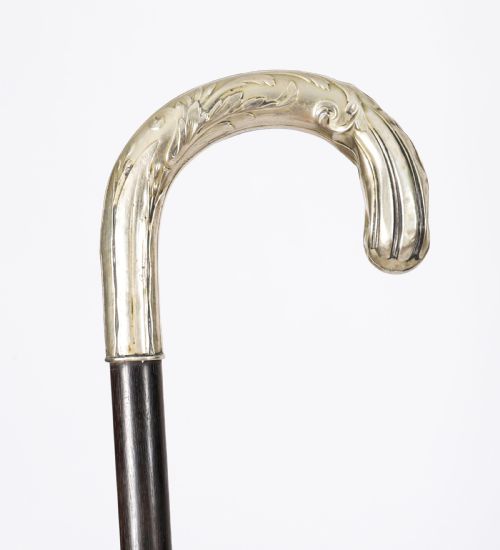


Dark Wood Silver Stick
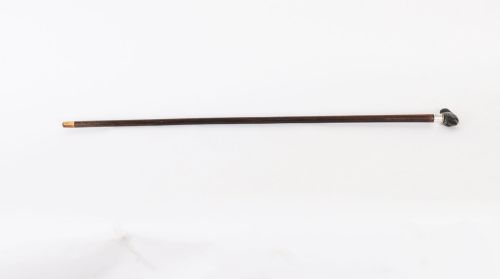
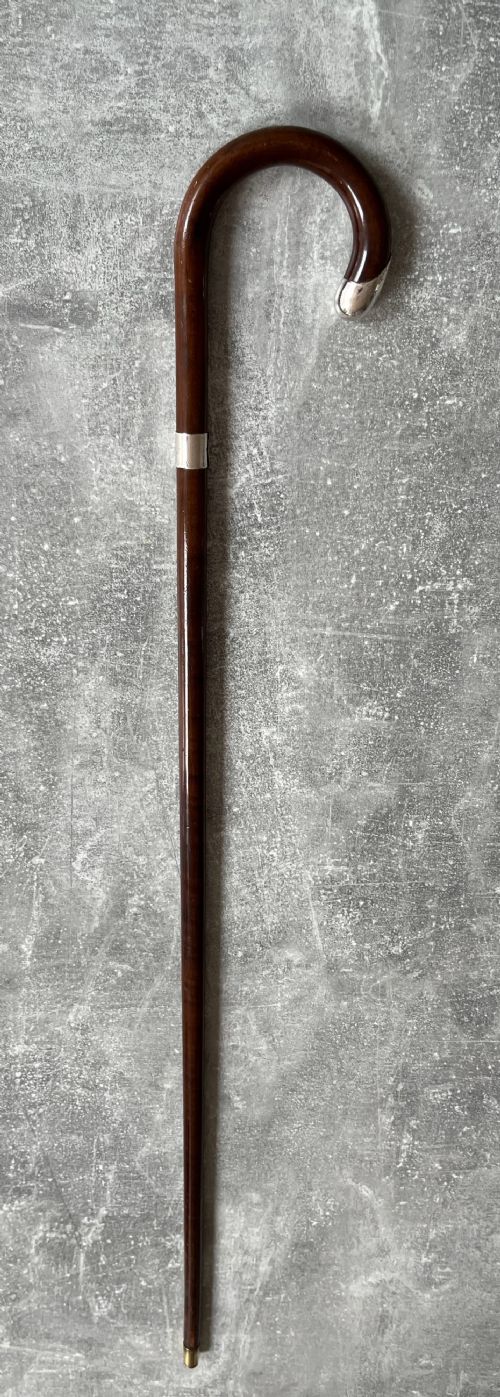
A dark wood silver stick brings together the functional utility of a walking cane and the distinct ornamentation of precious metal mounts.
Dark Wood Silver Stick
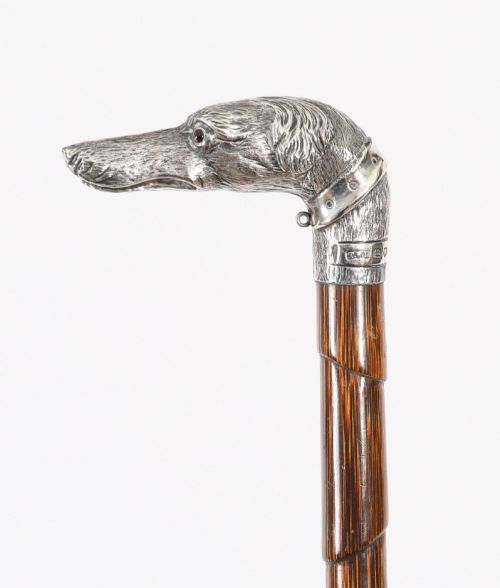
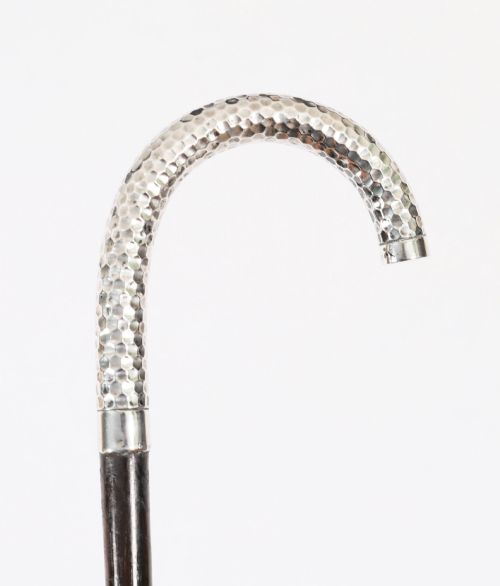
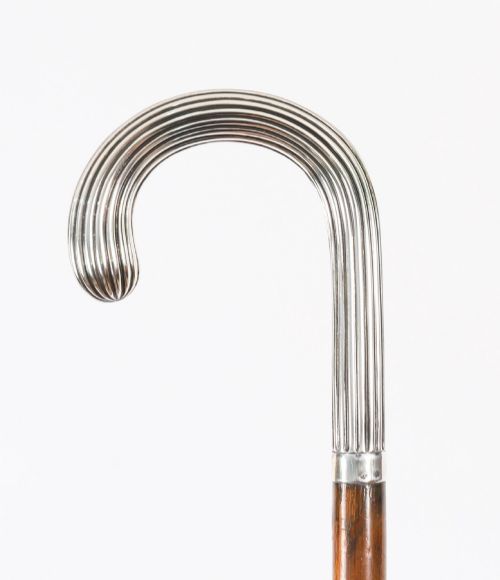
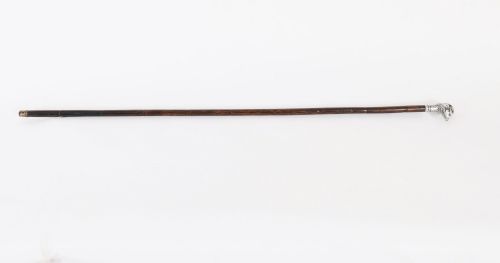
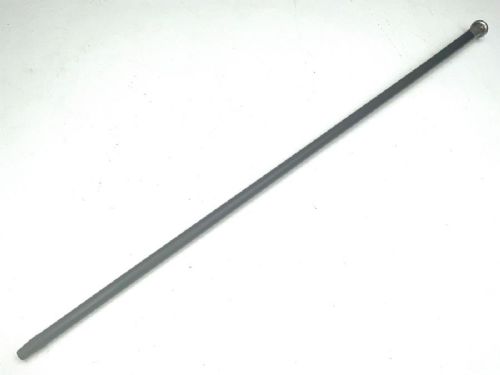
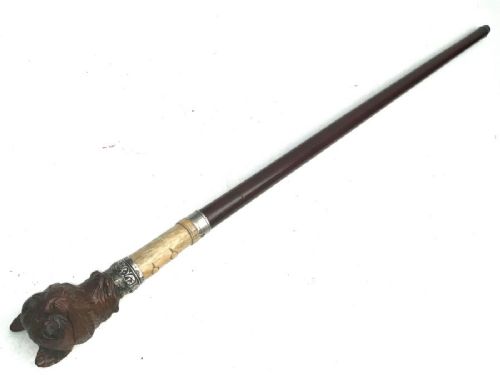
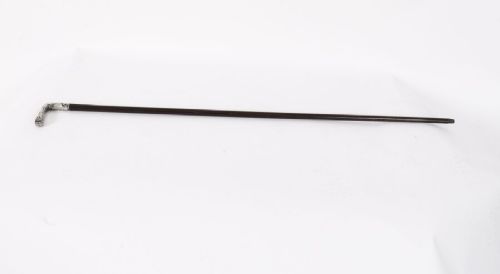
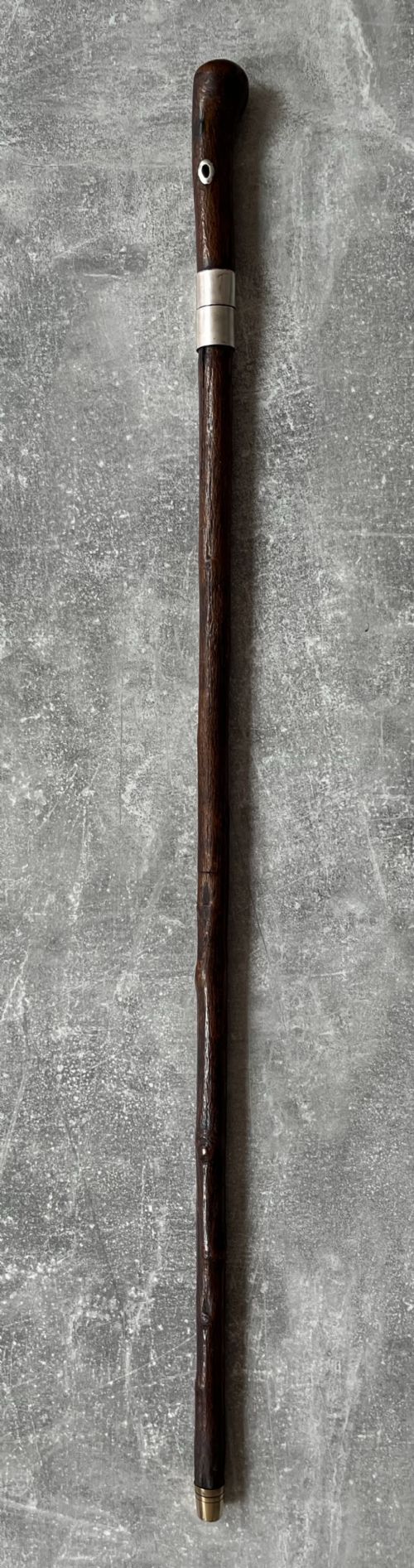
When you search for a dark wood silver stick, you encounter walking sticks and canes fashioned from timber shafts and fitted with silver handles or mounts. The selections span periods from the Georgian era through to the Art Deco years, featuring French, Continental, and British workmanship. Most examples you meet combine dense timber bodies with cast or chased silver terminals.
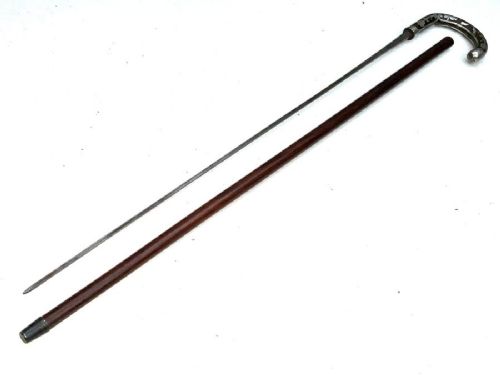
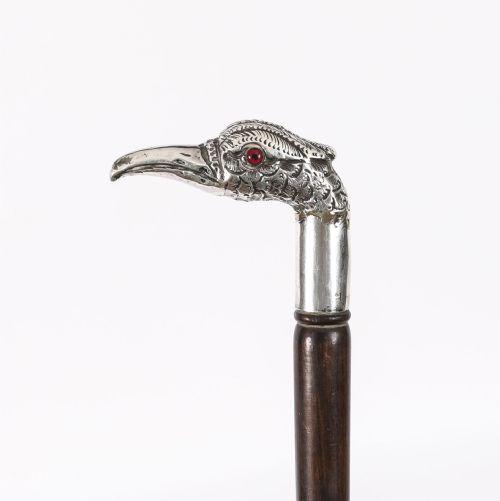
The category encompasses standard gentleman's walking canes alongside specialised gadget pieces containing concealed swords or snuff boxes. Shaft materials range from mahogany and hazel to malacca and general hardwood, paired with sterling or plated silver elements. Certain variants display figural handles shaped as greyhounds, ducks, parrots, pheasants, and horses.
Materials and construction methods
The construction relies on pairing sturdy timbers such as mahogany, malacca, and hazel with worked metals like silver, brass, and steel. Artisans shaped and turned the wooden shafts to provide a balanced, durable backbone for daily use. Metal components were then cast, engraved, or silver-plated to form elaborate handles, collars, and mounts.
Specialist variations incorporate internal mechanisms for concealed steel sword blades or functional watch movements housed within the handle. Timber surfaces received polishing and finishing treatments to highlight the natural grain of the hardwood. Silver collars frequently bore hallmarks or decorative motifs such as four-leaf clovers and animal heads.
Shaft materials recorded in the inventory include mahogany, hazel, malacca, and general hardwood paired with silver, brass, and steel.
Assessing craftsmanship and execution
Quality reveals itself in the sculptural detail of the silver handle and the structural integrity of the timber shaft. Superior examples exhibit finely cast figural heads with sharp relief, whereas lesser pieces display softer, simpler casting. The integration between the metal mount and the wooden body demonstrates the maker's precision.
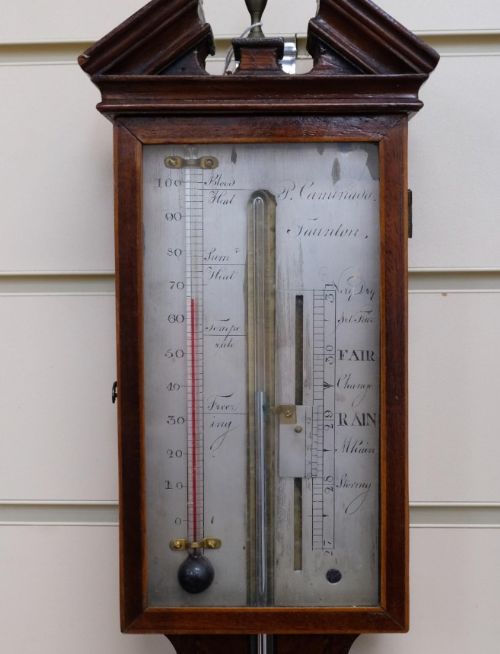
George Adams London·P. Caminada Taunton·JB Bergna Newcastle·Sandrino of Liverpool
The Dark Wood Silver Stick Glossary
- Malacca
- A type of rattan cane featuring distinctive scale patterns and a rich brown hue, utilised frequently for walking stick shafts.
- Sword stick
- A walking cane containing a concealed steel blade within the wooden shaft, often secured by a locking mechanism.
- Stick barometer
- A wall-mounted weather glass enclosed in a long wooden case, typically mahogany, displaying a vernier scale.
- Gadget stick
- A multifunctional walking cane housing hidden compartments, tools, or novelties such as watches and snuff boxes.
- Hallmark
- An official stamp applied to silver objects indicating purity, place of assay, and date of manufacture.
Dark Wood Silver Stick: Frequently Asked Questions
What is a dark wood silver stick?
A dark wood silver stick refers to a walking cane or barometer constructed from dense timber and finished with silver handles or mounts. These items range from plain Edwardian mounts to detailed Continental figural carvings.
They represent both everyday accessories of past centuries and specialised decorative objects incorporating hidden mechanisms.
How were sword sticks used?
Sword sticks served as personal protection and walking aids for gentlemen navigating city streets or rural paths during the nineteenth and early twentieth centuries. The concealed blade remained safely locked inside the wooden shaft until needed.
Ownership reflected social status and the practical demands of personal security in unlit urban environments.
How do I identify the period?
Dating relies on stylistic markers, such as Art Deco geometric motifs from the 1920s or ornate Victorian and Edwardian silver hallmarks. Maker signatures on barometers help narrow down manufacture to specific Georgian or Regency decades.
Materials and manufacturing techniques also shift over time, moving from heavy Georgian cabinet work to lighter mass-produced Edwardian mounts.
Where should I display a barometer?
A stick barometer requires a stable interior wall away from direct sunlight, central heating vents, and dampness. Hanging the instrument upright ensures the mercury column operates accurately.
Positioning it at eye level in a hallway or study allows easy reading of atmospheric changes throughout the day.