


Victorian Silver Head Cane
A victorian silver head cane brings together the utility of a walking stick and the sculptural detail of a silver handle, offering a distinctive accessory desired by collectors.
Victorian Silver Head Cane
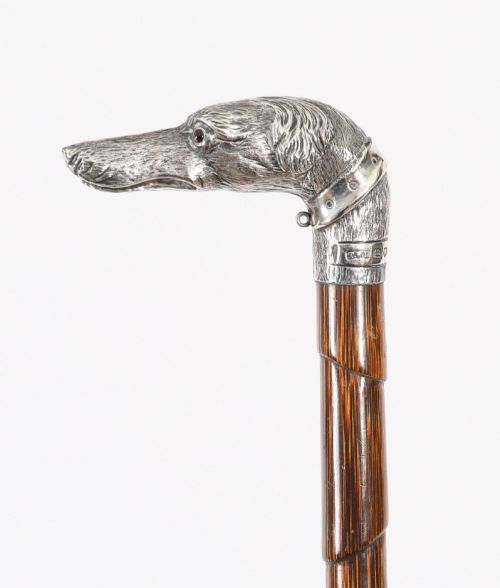
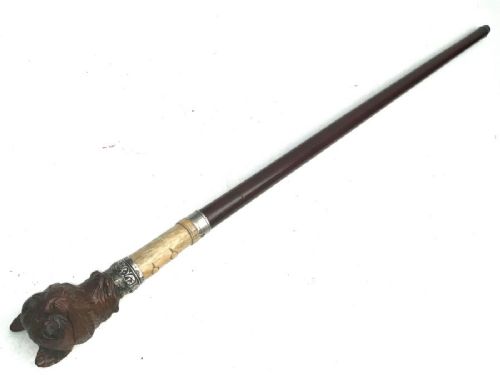
The handle designs frequently depict animals including greyhounds, horses, boars, pheasants and ducks, alongside plain silver tops. These pieces originate predominantly from the nineteenth century, with French and Imperial German examples appearing alongside domestic British items.
Materials and construction methods
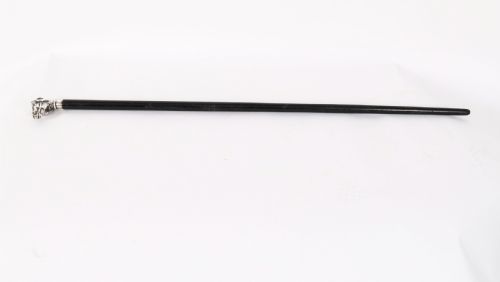
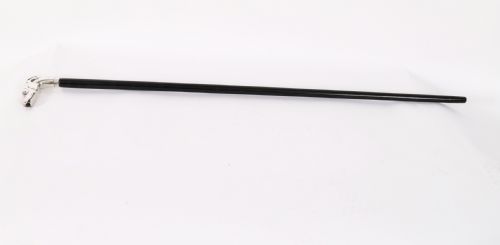
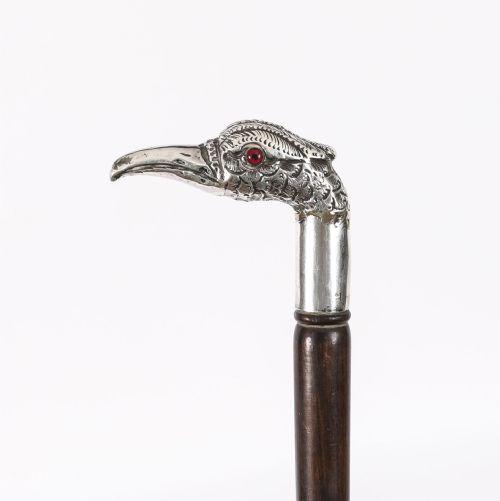
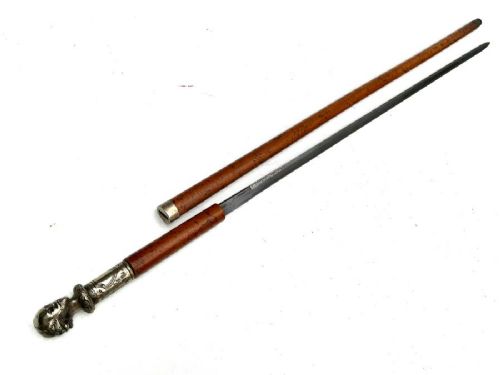
Handles are formed from silver or silver plate, sometimes incorporating glass eyes into animal subjects as seen in duck head examples. Shaft materials combine wood, ebonised wood, steel and metal, occasionally housing functional steel sword blades.
Makers fashioned these sticks using traditional metalworking techniques for the silver mounts, which were then fitted securely to tapered wooden or metal shafts designed for daily gentleman's use.
Several unfortunate ducks stare out eternally with glass eyes while mounted firmly atop gentleman's walking sticks.
Assessing quality and craftsmanship
Quality rests in the sculptural depth of the silver handle, where animal forms display finer anatomical modelling and hand-chiselled detail rather than basic casting. The integrity of the joint between the silver head and the wooden or ebonised shaft also distinguishes superior specimens.
The presence of integrated sword mechanisms and materials like solid silver rather than silver plate mark the distinction between standard walking sticks and high-grade gentleman's accessories.
The Victorian Silver Head Cane Glossary
- Ebonised wood
- Wood treated to imitate ebony, providing a dark and uniform finish commonly utilised for walking stick shafts.
- Sword stick
- A walking stick containing a concealed steel blade within the shaft, designed for protection or fashion among gentlemen.
- Silver plate
- A thin layer of silver applied to a base metal core, found on specific utilitarian canes in the record.
- Figural handle
- A handle shaped into a recognisable human or animal form, such as a greyhound, horse, boar, pheasant or duck.
Victorian Silver Head Cane: Frequently Asked Questions
What are these canes made of?
These pieces combine silver or silver plate handles with shafts formed from wood, ebonised wood, steel and metal. Some examples incorporate glass eyes within animal head handles.
Internal construction often includes steel shafts or concealed sword blades within the wooden housing.
How were these walking sticks used?
Gentlemen utilised these items as daily walking accessories, combining support and fashion with social status. Certain variants functioned additionally as concealed weapon sticks.
The inclusion of sword blades points to a specific utility for personal defence among officers and gentlemen.
How do I identify a nineteenth century piece?
Nineteenth century examples show distinct stylistic traits in their silver handles, ranging from French animal subjects to Imperial German military items. Materials like ebonised wood and specific handle typologies support period attribution.
Construction methods and metal finishes provide further indicators of nineteenth century manufacture.
Are all the handles shaped like animals?
Animal forms are common, including greyhounds, horses, boars, pheasants and ducks, but plain silver tops also occur. Novelty designs form a significant portion of the recorded handles.
Plain gentleman's silver topped canes sit alongside the figural animal subjects.