



Silver Handle Glass Carafe
A silver handle glass carafe brings together cut glass and gleaming mounts to serve wine with period elegance.
Silver Handle Glass Carafe
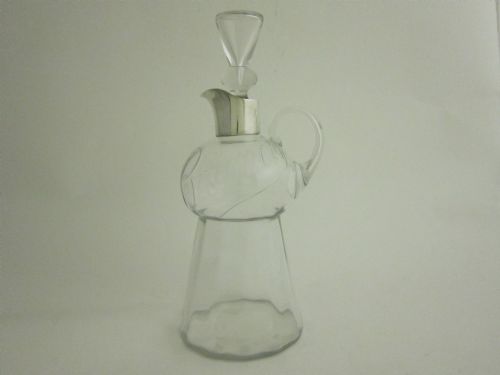
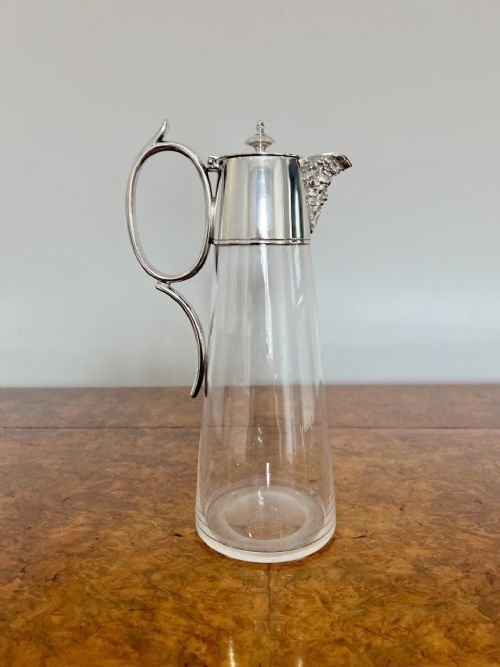
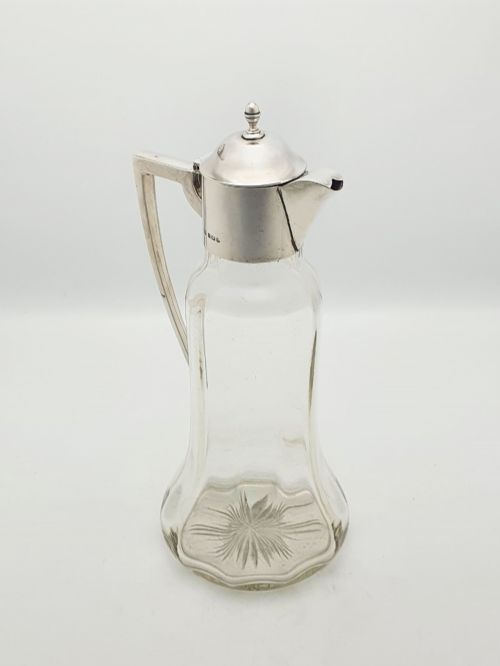
A silver handle glass carafe unites vessels designed for serving wine and spirits, most frequently seen here as claret jugs and decanters dating from the Victorian and Edwardian eras. These pieces bridge functional dining ware and decorative art, featuring prominently in nineteenth and early twentieth century table settings.
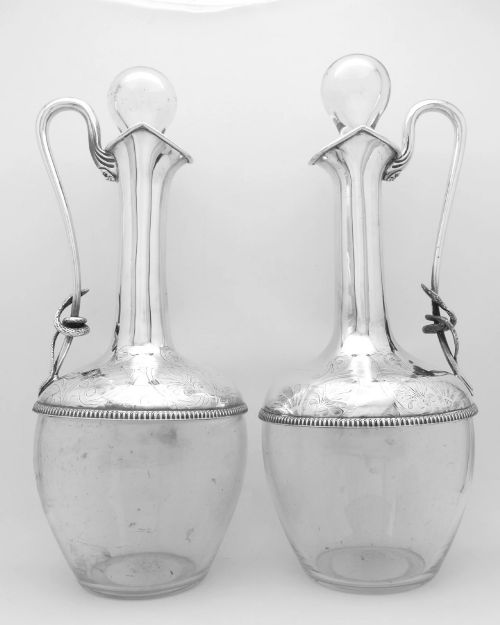
The selection here includes examples from the Victorian, Edwardian, and Art Deco periods, encompassing distinct styles such as Art Nouveau and the Aesthetic Movement. Common forms range from spirit ewers to paired spirit decanters, utilising green glass as well as standard crystal.
Makers and designers of the period applied silver handles and mounts to vessels of various forms, creating claret jugs and decanters that reflect the design shifts of the 1800s and early 1900s. Buyers will encounter both sterling silver and silver plate mountings across these historical categories.
How they were made
The construction of a silver handle glass carafe combines glassblowing and silversmithing techniques to join metal mounts securely to the glass body. Makers utilised cut glass and crystal for the vessel, often shaping the glass into intricate forms before attaching the metal handle and collar.
Silver plate and sterling silver form the metal components, with mounts frequently custom-fitted to the contours of the glass. Workshops employed specialised casting and soldering methods to ensure the silver handle integrated seamlessly with the decorative collar.
Design styles span from the Aesthetic Movement and Art Nouveau to the geometric lines of the Art Deco era.
What varies in quality
The distinction between standard production and higher quality work rests on the clarity of the glass and the weight of the silver mountings. Heavier sterling silver fittings and deeply cut crystal represent the upper tier of manufacture compared to simpler silver plated versions.
Design complexity also defines the better examples, particularly those bearing specific maker attributions or distinct stylistic movements such as Art Nouveau or the work of noted designers. The precision of the fit between the silver handle and the glass body indicates the level of craftsmanship involved.
Hukin & Heath
The Silver Handle Glass Carafe Glossary
- Claret jug
- A specialised vessel designed for serving red wine, typically featuring a pourer spout and a decorative handle. These pieces often combine glass bodies with silver mounts.
- Spirit ewer
- A pitcher-shaped vessel used for serving spirits, distinct from standard decanters by its handled and spouted form. They frequently appear in late nineteenth-century styles.
- Sterling silver
- A silver alloy containing a high proportion of pure silver by weight, used extensively for the high-end mounts and handles on these vessels.
- Silver plate
- A base metal coated with a layer of silver, offering the appearance of solid silver at a different production tier. It is common on Edwardian and Victorian examples.
- Cut glass
- Glass decorated by cutting facets or patterns into the surface using a wheel, enhancing the sparkle and weight of the carafe body.
Silver Handle Glass Carafe: Frequently Asked Questions
What is a silver handle glass carafe used for?
These vessels were originally manufactured for serving wine, particularly claret, as well as spirits during formal dining and entertaining.
Today, buyers utilise them both as functional tableware for serving beverages and as decorative objects displaying period craftsmanship.
How do I tell Victorian from Edwardian pieces?
Victorian items generally display heavier ornamentation, ornate floral motifs, or Aesthetic Movement designs typical of the nineteenth century.
Edwardian pieces often lean towards cleaner lines, lighter silver mounts, and early influences of the Art Nouveau style.
Are the handles solid silver or plated?
Mounts and handles are found in both solid sterling silver and silver plate, depending on the manufacturing quality and the specific maker.
Hallmarks stamped onto the metal components typically clarify whether the handle is sterling silver or plated base metal.
How should I clean glass and silver carafes?
The glass body requires gentle washing with warm water and mild detergent to preserve the clarity of the cut crystal or glass.
Silver mounts should be cleaned with specialised silver polish, taking care to avoid getting abrasive compounds onto the glass surface.