


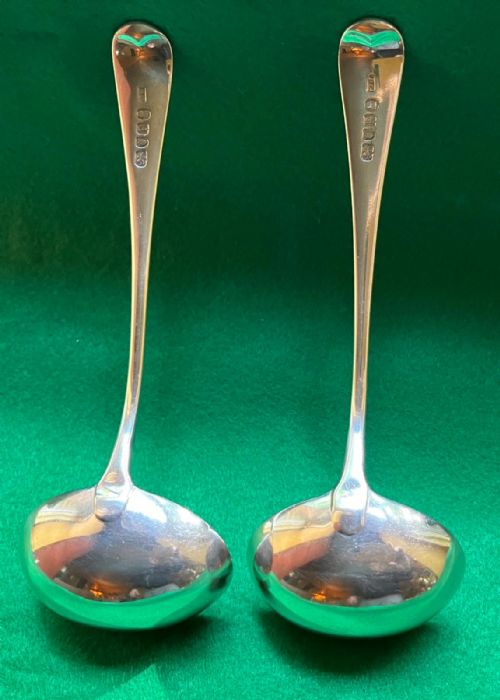
Silver Gravy Spoon
A silver gravy spoon is a substantial serving implement designed for table service, combining utility with period craftsmanship.
Silver Gravy Spoon
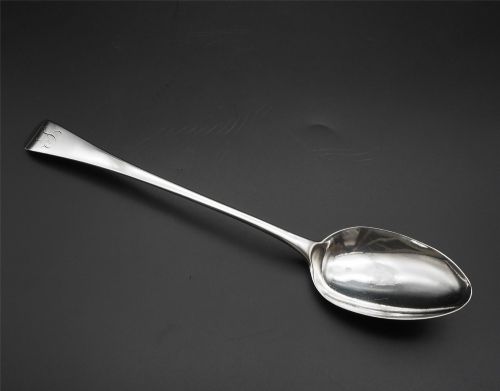
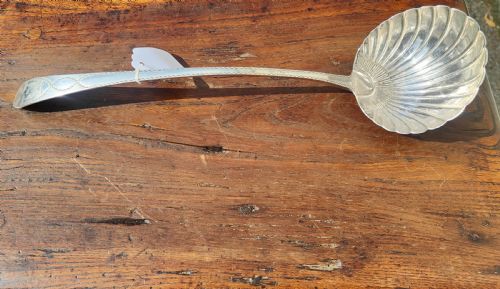
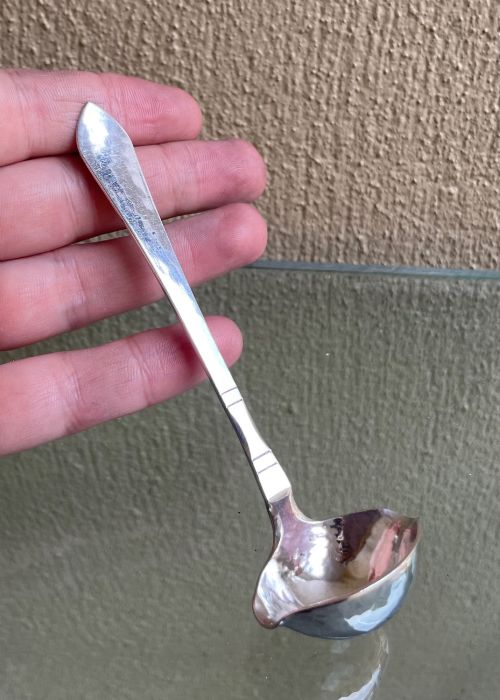
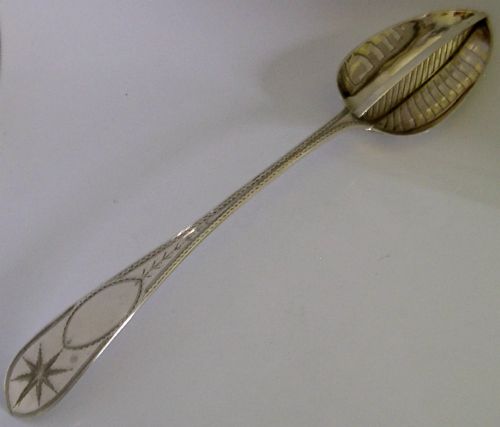
A silver gravy spoon sits on the dining table as a practical serving implement, frequently appearing alongside ladles and basting spoons in Georgian and Victorian forms.
Buyers encountering this phrase will find substantial sterling silver pieces alongside silver plate and EPNS variants, spanning periods from the 18th century through to the 1930s.
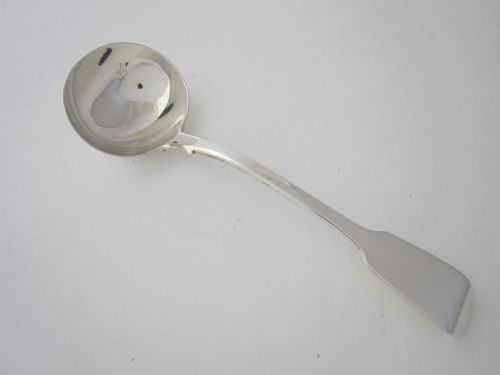
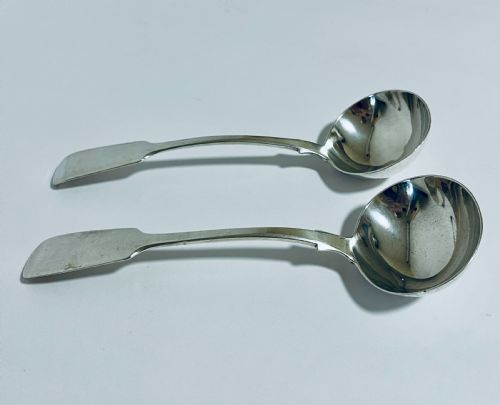
The selection ranges from plain Old English and Fiddle patterns to elaborate naturalistic designs, reflecting varied dining customs across different centuries.
How they were made
Silversmiths formed these implements primarily from sterling silver or silver plate over a metal alloy, utilising traditional hammering and shaping techniques.
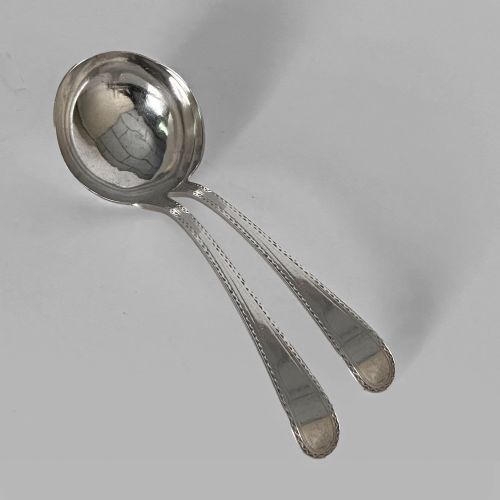
Handles often feature distinct patterns applied through stamping or cast ornamentation, while specialised forms like spoon warmers incorporate velvet and silk linings.
What varies in quality
Weight and gauge distinguish heavier utilitarian pieces from lighter wares, where substantial silver content provides better balance in the hand.
The crispness of cast scrollwork and the preservation of engraved patterns separate standard production from superior examples originating from notable makers.
Georg Jensen·Hester Bateman·John Locker·Tiffany and Co·George Adams·Samuel Meriton II
The Silver Gravy Spoon Glossary
- Sterling silver
- A standard alloy consisting of high-purity silver combined with small amounts of other metals to increase durability. This material forms the basis of many traditional serving utensils.
- EPNS
- Electroplated Nickel Silver, a common base metal method utilised for silver-plated items. It offers the appearance of solid silver at a different cost level.
- Old English pattern
- A traditional handle design featuring a downward-turning end with a central ridge. It appears frequently on flatware from the Georgian period onward.
- Fiddle pattern
- A flatware style characterised by a shoulder and a broadened terminal resembling a violin. This shape gained popularity during the 19th century.
- Spoon warmer
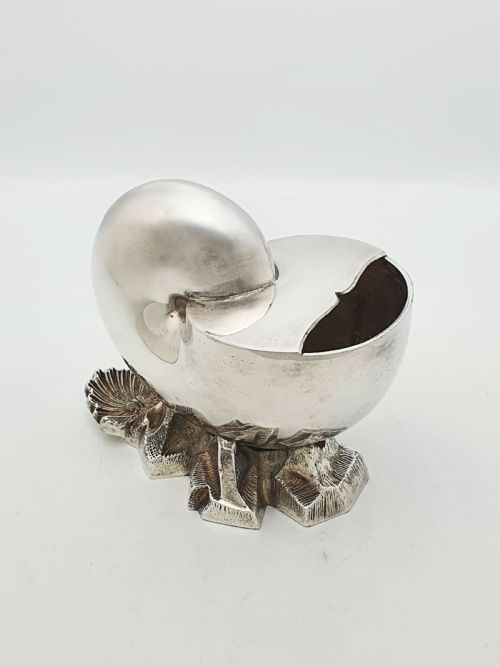
- A specialised hollow vessel designed to hold hot water for warming utensils before service. These occur in various novelty forms such as nautilus shells and shoes.
Silver Gravy Spoon: Frequently Asked Questions
What is a silver gravy spoon used for?
These large spoons serve liquids and sauces at the dining table, offering greater capacity than standard table spoons. They coordinate with matching ladles and serving utensils.
Heavier examples function as basting spoons for transferring pan juices during food preparation and presentation.
How do I identify a Georgian gravy spoon?
Georgian pieces typically date between the mid-18th century and the early 19th century, displaying hallmarks that indicate assay offices and date letters. Their forms include traditional Old English and bright-cut engraved patterns.
Construction relies heavily on solid sterling silver rather than later plated methods, showing simpler lines compared to Victorian ornamentation.
What is the difference between sterling silver and silver plate?
Sterling silver consists of solid precious metal throughout the piece, maintaining its material composition across the entire implement. These items carry standard silversmith hallmarks.
Silver plate and EPNS apply a thin layer of silver over a base metal alloy like nickel silver, which becomes visible only if the outer layer wears through.
How should I care for antique silver?
Regular handling and gentle cleaning maintain the surface appearance of silver serving pieces without harming the underlying metal or soft alloy components. Avoid harsh abrasives that remove historical wear.
Store pieces in dry environments away from direct sulfur sources to minimise tarnish accumulation on both sterling and plated items.