




Antique Gravy Ladle
An antique gravy ladle brings elegance to the dining table, offering a traditional way to serve sauces and gravies with genuine historical character.
Antique Gravy Ladle
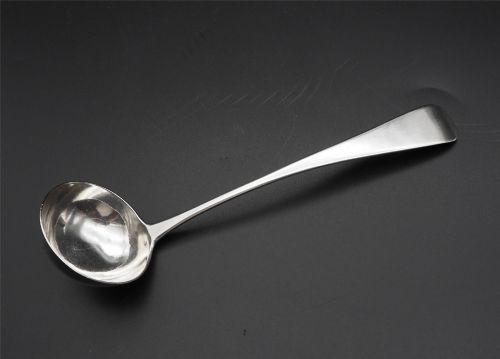
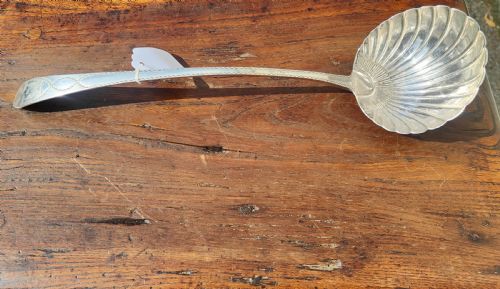
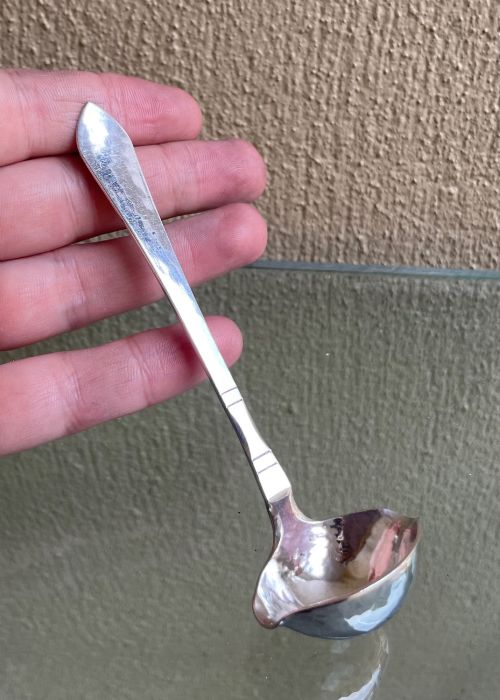
When you search for an antique gravy ladle, you encounter serving utensils designed for pouring sauces, gravies, and creams during formal meals. These pieces belong to a category of tableware that spans several centuries, from the Georgian period through to the 1930s.
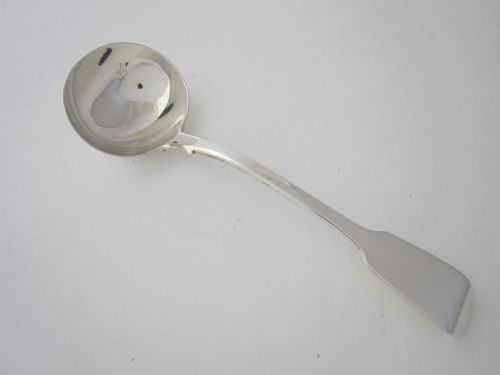
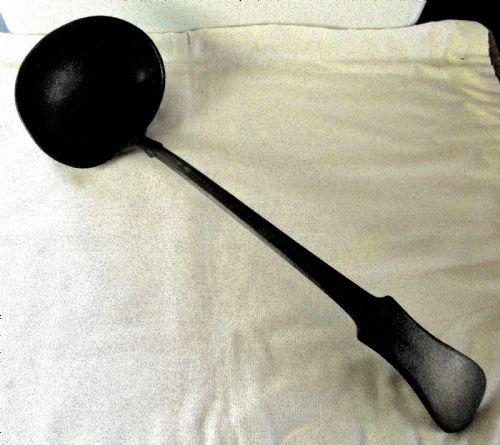
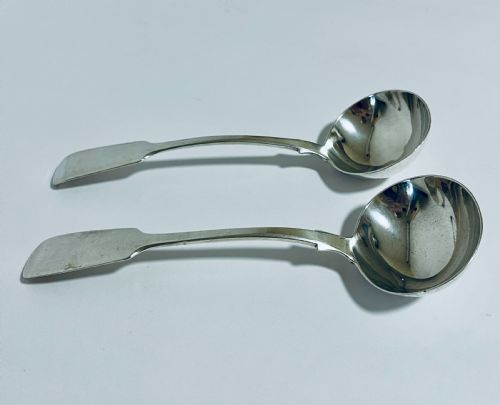
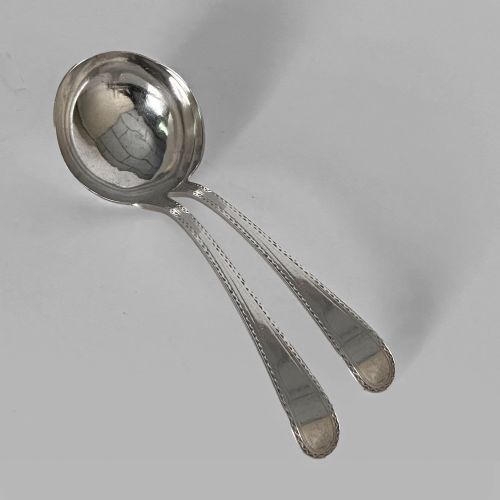
The versions you are most likely to meet on this page include sterling silver examples shaped in classic fiddle patterns or ornamented with scrollwork. You will also find pewter items, ironstone sets complete with tureens, and occasional pieces originating from Scottish provincial makers or continental workshops.
Makers utilised various metals and ceramics to create these utensils, reflecting the changing domestic tastes of the 18th, 19th, and early 20th centuries. Each ladle serves a practical dining function while displaying the distinct design hallmarks of its respective era.
How they were made
Silversmiths shaped sterling silver and solid silver through hammering and casting, producing durable bowls and handles that endured heavy dining room use. Workers often applied detailed scrollwork or distinct handle patterns by hand.
Pewter ladles required casting within moulds, followed by finishing work to smooth the metal and establish a stable utility implement. Ironstone pieces combined ceramic moulding with applied glaze and gold leaf decoration to match corresponding serving tureens.
Even gravy needed a sturdy crew, managed by smiths who hammered out heavy pewter and silver just to keep the Sunday roast properly drenched.
What varies in quality
Quality in these items rests on the weight of the metal and the crispness of the maker marks or stamped details. Heavier solid silver and sterling silver pieces demonstrate a substantial feel that lighter base metal items lack.
The precision of the engraving, the balance of the handle against the bowl, and the integrity of any applied decoration or glaze dictate the overall standard of the piece. Well-preserved maker stamps also elevate the standing of a utensil.
Dixon & Son·John Yates·Hester Bateman·Georg Jensen·Tiffany & Co.
The Antique Gravy Ladle Glossary
- Sterling silver
- A standard alloy containing a high proportion of pure silver, commonly utilised for British and Irish tableware. It provides durability alongside a bright, lustrous finish.
- Pewter
- A malleable metal alloy composed primarily of tin, used for utilitarian and decorative kitchenware. Pewter pieces possess a duller, warmer sheen than silver.
- Fiddle pattern
- A popular 19th-century handle design characterised by a narrow stem that broadens near the end into a shape resembling a violin. This style appeared frequently on spoons and ladles.
- Provincial silver
- Items made, marked, and sold outside the main assay office cities such as London, often bearing distinct regional hallmarks. Collectors prize these for their local historical context.
Antique Gravy Ladle: Frequently Asked Questions
What is an antique gravy ladle used for?
An antique gravy ladle serves the specific purpose of transferring sauces, gravies, and melted butter from a boat or tureen to an individual plate. They were essential implements on formal dining tables during the Georgian and Victorian eras.
Their curved bowls and appropriately sized handles allowed diners or hosts to pour liquids neatly without splashing the tablecloth or surrounding dinnerware.
How do I identify a Georgian ladle?
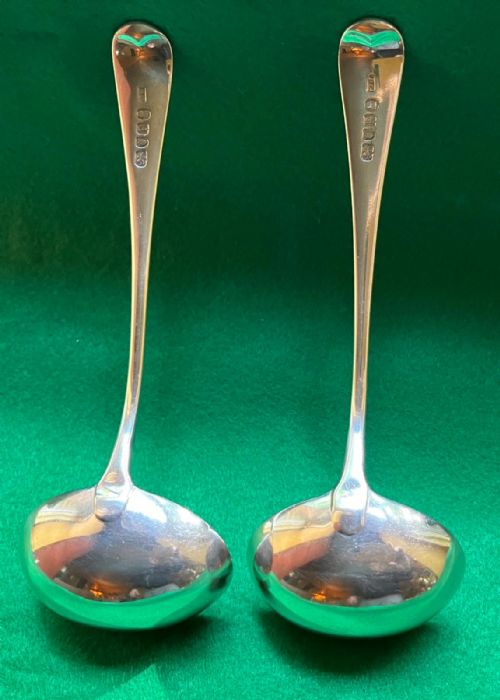
Georgian ladles date from the period between 1714 and 1830, often displaying hallmarks that include the maker's mark, a lion passarant, and date letters. They frequently feature plain polished surfaces or early handle variations before ornate Victorian styles emerged.
Examining the underside of the terminal or the back of the stem usually reveals the stamped assay office symbols necessary for accurate dating.
Are pewter ladles safe for use?
Historic pewter items may contain lead depending on their exact composition and manufacturing date. Many collectors choose to display antique pewter as decorative art rather than utilising it for active food service.
Reviewing the specific alloy and ensuring the metal remains stable helps determine whether a piece is suitable for modern dining environments.
What does fiddle pattern mean?
Fiddle pattern refers to a flatware handle shape that narrows toward the middle and flares out at the terminal in a contour reminiscent of a stringed instrument. This design gained widespread popularity across Britain during the 19th century.
Ladles and spoons featuring this outline often coordinate with larger flatware services from the same household or maker.
How should I clean antique silver?
Cleaning antique silver requires gentle washing with warm water, mild soap, and a soft cloth to preserve the underlying metal and any remaining hallmarks. Avoid harsh abrasive dips that strip away the natural patination accumulated over centuries.
Proper storage in tarnish-resistant cloths helps maintain the finish without requiring frequent and potentially damaging polishing sessions.