

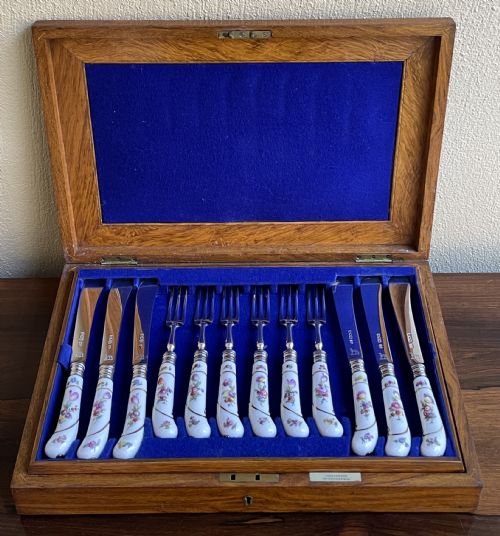


Silver Fruit Knives
Silver fruit knives are delightful pocket or table implements designed for dining on delicate foods, combining bright metal blades with tactile handles.
Silver Fruit Knives
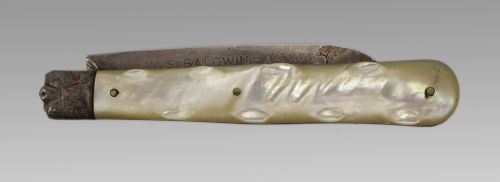
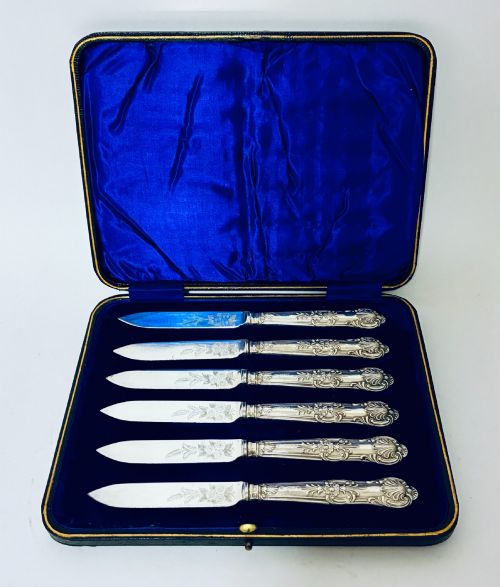
When you search for silver fruit knives, you encounter individual folding pocket pieces alongside matched sets intended for the dining table. These items appear across multiple eras, ranging from late eighteenth-century folding designs to grand Edwardian and Victorian cased sets.
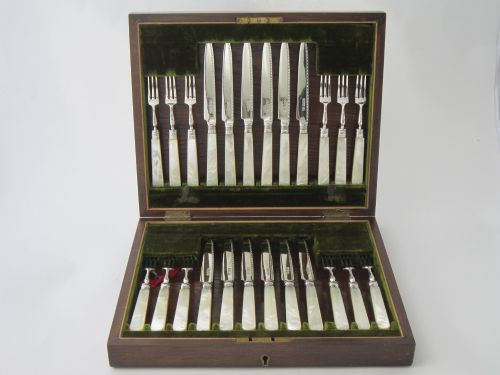
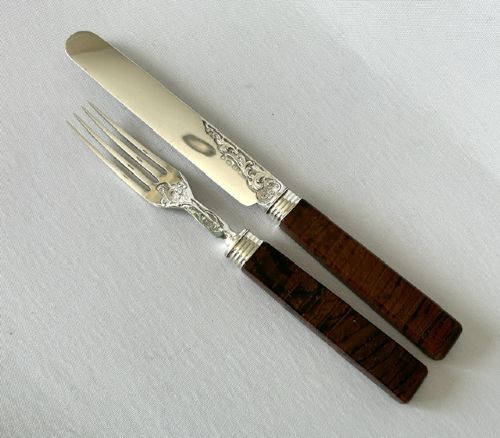
Single pocket examples frequently combine sterling silver or silver gilt blades with natural scales, while larger table services often pair sterling silver or silver plate with mother of pearl. You also find specialised cutlery sets that include matching forks for dessert or fruit courses.
How they were made
Maker workshops combined precious metals with durable natural materials, pairing sterling silver and silver plate blades with mother of pearl, agate, porcelain, and ivory handles. Many handles utilised carved mother of pearl scales riveted carefully to the metal tangs.
Blades were shaped from steel, sterling silver, or silver gilt, with some examples cast or engraved with decorative patterns. Fitted presentation boxes lined with velvet or fabric housed many of the sets, often utilising oak or other woods for the outer casing.
Listings feature sterling silver, silver plate, steel, mother of pearl, agate, and porcelain across Georgian, Victorian, and Edwardian eras.
What varies in quality
The distinction between standard items and superior examples lies in the crispness of the blade engraving and the harmonious matching of natural handle materials like mother of pearl. Finely weighted pieces exhibit balanced proportions between the handle and the cutting edge.
The integrity of the original fitted case also influences the character of a set, particularly when the velvet lining and hinges remain well preserved. Complete sets showing uniform maker marks and matched hallmarks across every single piece command greater interest than assembled groups.
Carrington·Aaron Hadfield·James Deakin·Allen and Darwin·Joseph Rodgers
The Silver Fruit Knives Glossary
- Sterling silver
- A silver alloy containing substantial purity by weight, widely utilised across British cutlery manufacturing. Items meeting this standard typically bear official assay office hallmarks.
- Mother of pearl
- The iridescent internal layer of certain mollusc shells, shaped into smooth handle scales for cutlery. This material brings a luminous quality to individual knives and cased sets.
- Silver gilt
- Silver coated with a thin layer of gold, often found on dessert and fruit blades. This technique provides a rich golden appearance while retaining a silver core.
- Cutlery set
- A coordinated group of eating utensils designed for specific dining courses such as fruit or dessert. These assemblies frequently arrive in fitted wooden boxes.
- Folding knife
- A pocket implement featuring a blade that pivots into the handle for safe carriage. Eighteenth and nineteenth-century examples often utilised this clever mechanism.
Silver Fruit Knives: Frequently Asked Questions
What were silver fruit knives used for?
These items were utilised at the dining table for slicing acidic fruits like peaches and pears without tarnishing the metal blade or altering the fruit taste.
Smaller folding versions were also carried in pockets or reticules for personal use during social gatherings and travel.
How do I care for silver fruit knives?
Gentle hand washing with warm water and mild soap preserves the metal surfaces and natural handle materials like mother of pearl.
Avoid soaking cased sets or wooden boxes in water, and store pieces in dry conditions to prevent tarnish accumulation.
How do I date a silver fruit knife?
Assay office hallmarks stamped onto the metal components provide precise year letters, maker marks, and city symbols for sterling pieces.
Stylistic details, handle materials, and the presence of original fitted oak boxes also offer strong indicators of the production era.
Are these knives suitable for daily use?
Many surviving examples remain entirely functional for modern dining, particularly sturdier cased sets designed for dessert and fruit courses.
Delicate antique folding mechanisms and antique mother of pearl handles benefit from gentle handling rather than heavy everyday service.