


Silver Framed Portrait
A silver framed portrait brings together intimate personal likenesses and gleaming precious metal, offering a glimpse into past lives through enduring craftsmanship.
Silver Framed Portrait
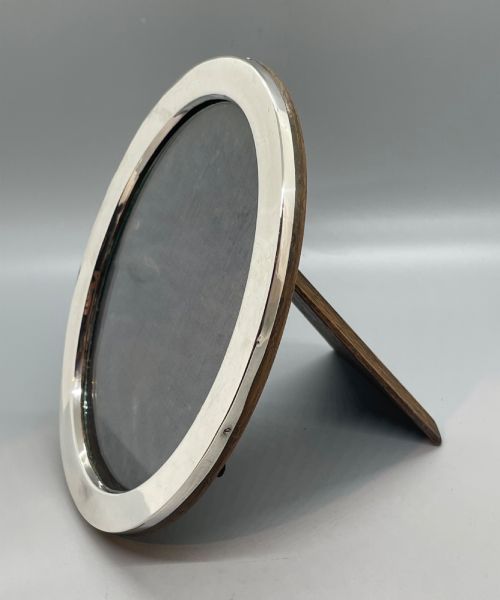
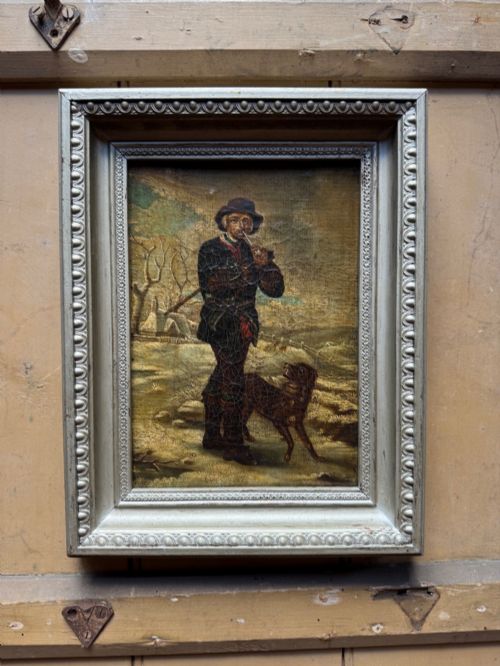
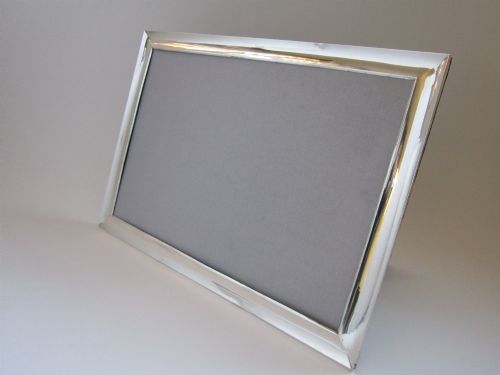
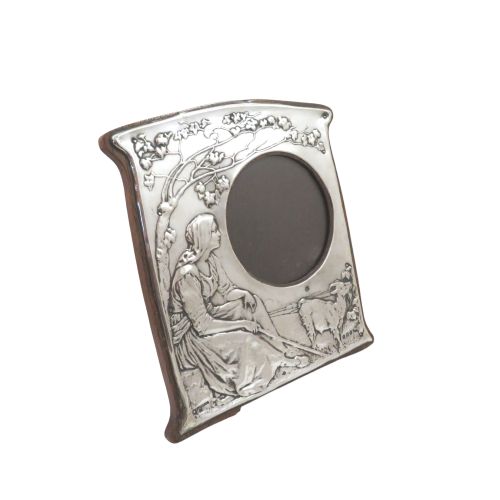
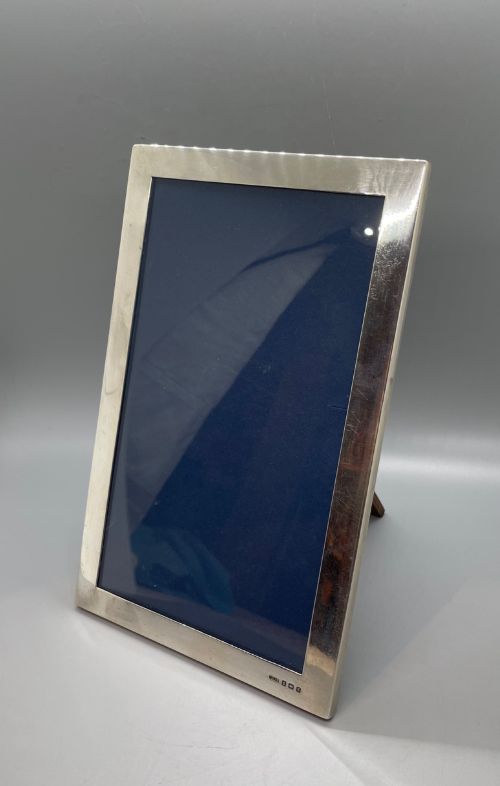
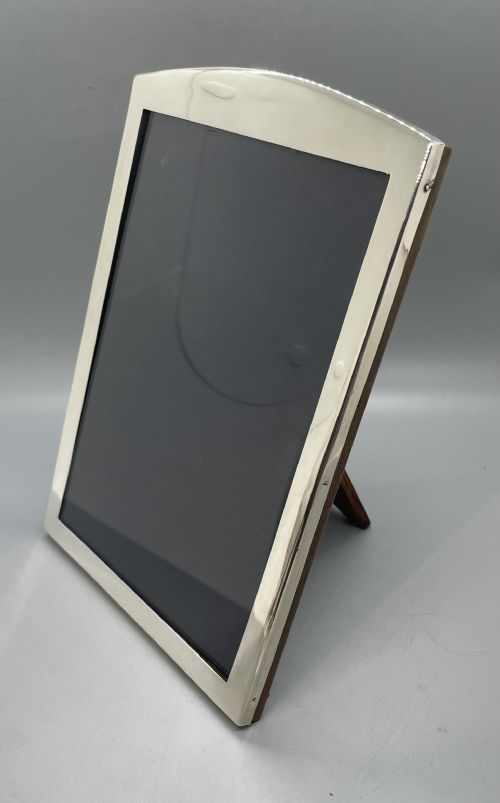
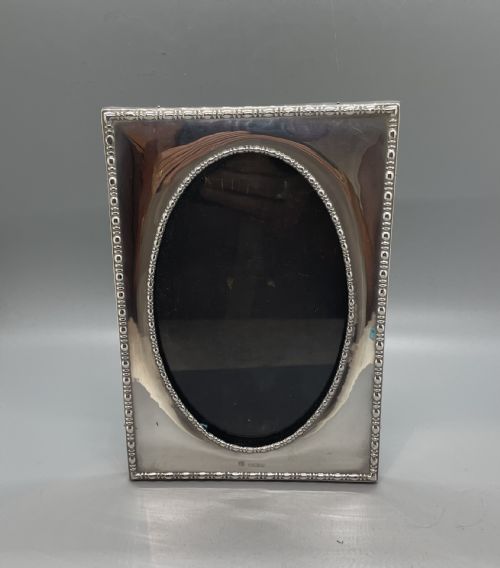
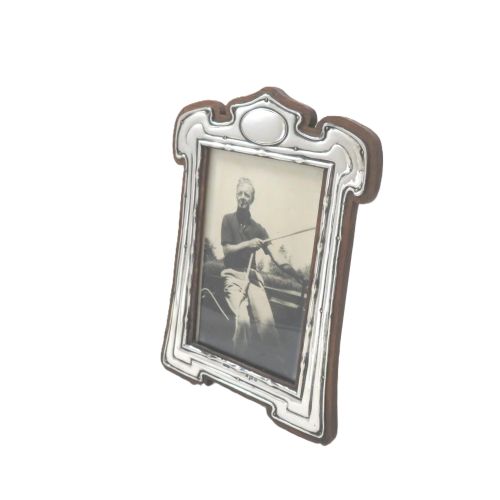
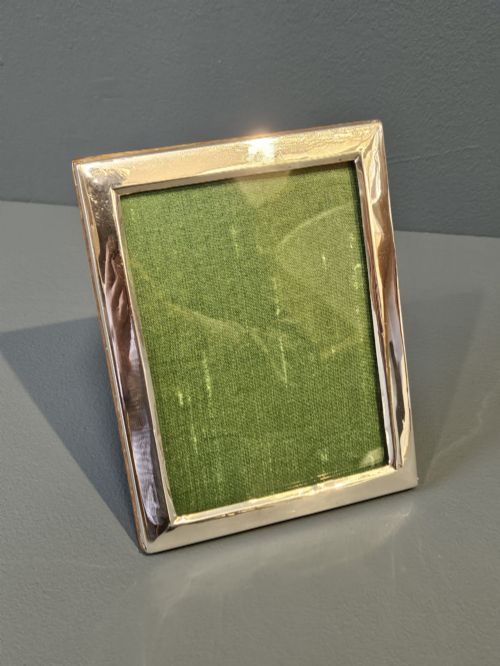
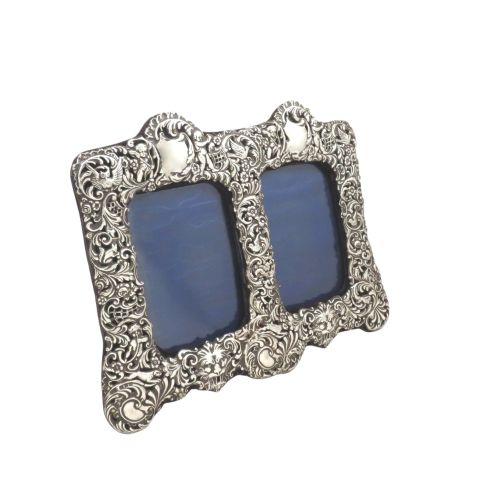
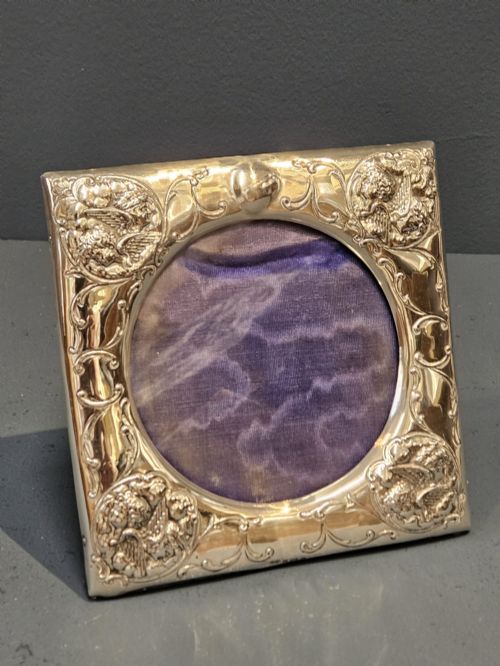
A silver framed portrait encompasses both standalone paintings and dedicated photograph frames designed to display personal images. Buyers seeking a silver framed portrait on this page will frequently encounter items spanning the Victorian, Edwardian, and George V periods, alongside earlier oil paintings.
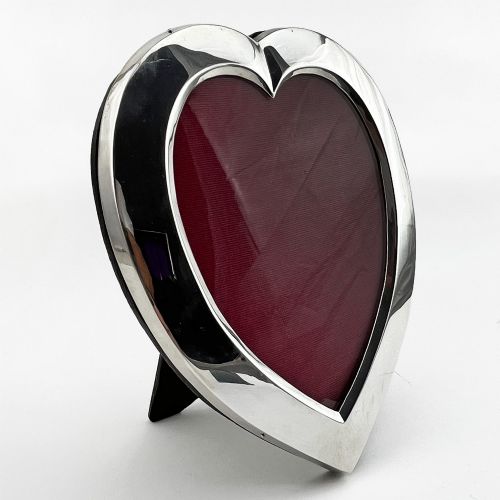
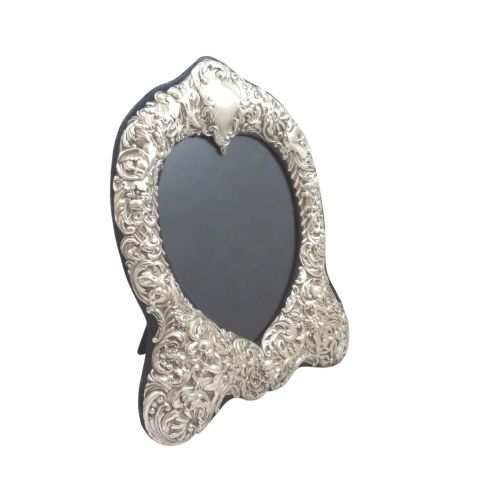
The objects take various shapes, from standard rectangular picture frames to heart-shaped designs and double frames. Origins range from British assay offices in Birmingham and Sheffield to earlier painted works associated with the 18th century and British Baroque traditions.
Materials and Technique
Makers utilised sterling silver alongside wood, glass, and velvet backing to construct sturdy photograph frames. Metalworking techniques included embossing floral borders and applying engine-turned decoration to create textured surfaces.
Painted portraits employ oil on canvas or oil paint, while other works utilise watercolour on paper. Frames often incorporate hinged supports and glass covers to protect the image within.
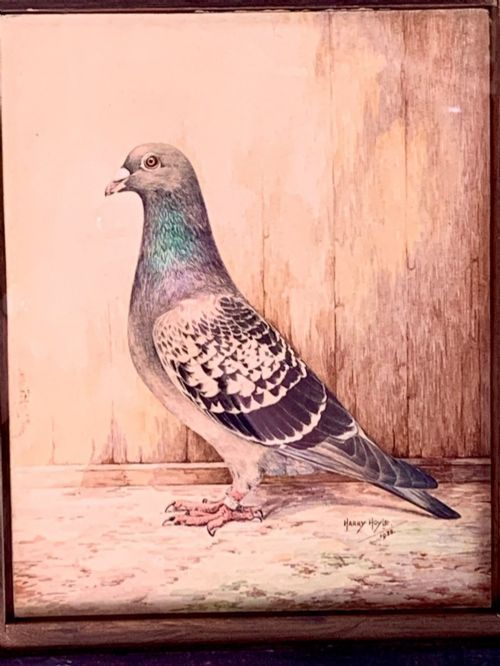
A royal messenger pigeon won a silver jubilee prize in 1935, commemorated here in watercolour.
Distinctions in Quality
Quality rests upon the crispness of the metal embossing and the precision of the joinery in the frame construction. Finer examples display distinct hallmarks from prominent makers and retain intact original wood and velvet backs.
Artistic execution distinguishes the painted portraits, where depth of colour and mastery of realism separate accomplished works from simpler pieces. The weight and gauge of the sterling silver also contribute significantly to the substance of the frame.
William Comyns·William Hutton And Sons·W I Broadway And Co
The Silver Framed Portrait Glossary
- Sterling silver
- A silver alloy containing 92.5 percent pure silver and 7.5 percent other metals, typically copper. This standard composition provides the durability required for detailed frame manufacturing.
- Hallmark
- An official mark stamped onto precious metals in Britain to indicate standard of purity, origin city, and date. Birmingham and Sheffield offices are common on these pieces.
- Engine-turned
- A decorative technique involving precise geometric patterns engraved into metal by a specialised lathe. This finish appears frequently on George V frames.
- Embossed
- A method of raising a design in relief against a background using metalworking tools. Floral and Art Nouveau motifs often utilise this approach.
- Locket pendant
- A small hinged case worn on a chain designed to hold a miniature portrait or lock of hair. These pieces often combine gold on silver with glass components.
Silver Framed Portrait: Frequently Asked Questions
How do I date a silver photo frame?
Dating relies heavily on the hallmarks stamped into the silver, which indicate the specific assay office and year of testing. Stylistic clues like Art Nouveau curves or Edwardian floral embossing also point to specific decades.
Makers' marks further narrow down the production period when cross-referenced with historical silversmith records. Combining these elements provides a reliable timeline for each piece.
What is the difference between sterling and silver plate?
Sterling silver consists of solid metal alloyed to meet strict purity standards throughout its entire thickness. It carries official hallmarks confirming its composition.
Plated items feature only a thin layer of silver applied over a base metal foundation. Over time, wear on plated pieces can reveal the underlying metal, unlike solid sterling.
How should I clean a silver frame?
Cleaning requires a soft microfiber cloth and a mild silver polish formulated to remove tarnish gently. Avoid harsh scrubbing on embossed areas to preserve the fine details.
Keep polish away from the glass, fabric, and wood backing components. Regular dusting helps minimise the need for aggressive cleaning.
Can I replace the photograph inside an antique frame?
Most antique photo frames feature removable wooden or velvet backs secured by small clips or pins. Carefully lifting these fasteners allows access to the interior glass and old photograph.
Take care with older backing materials, as they can become fragile over time. New images should be cut to fit snugly without forcing the original frame structure.