
Silver Dressing Glass
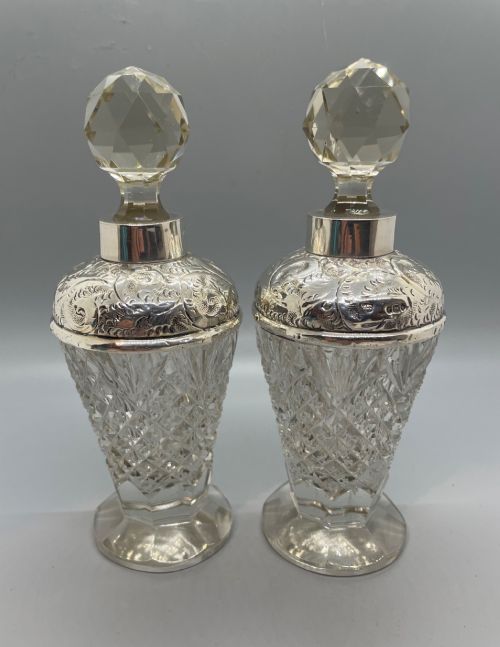
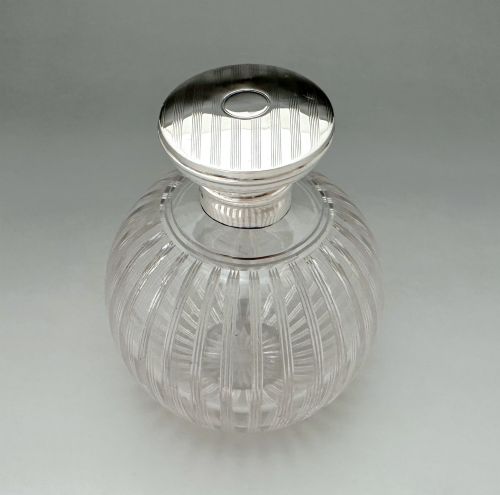
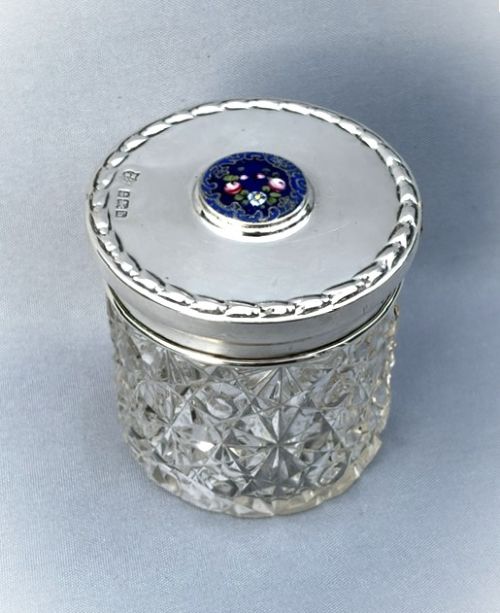
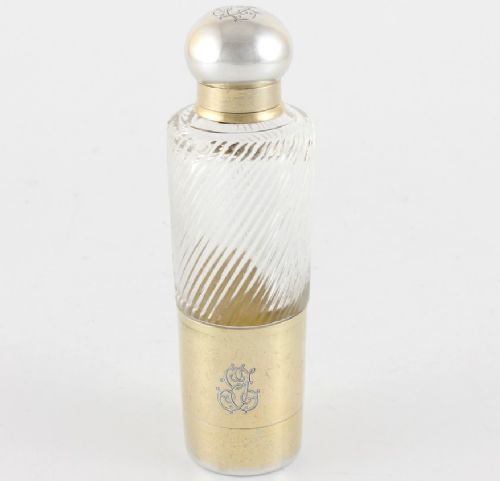
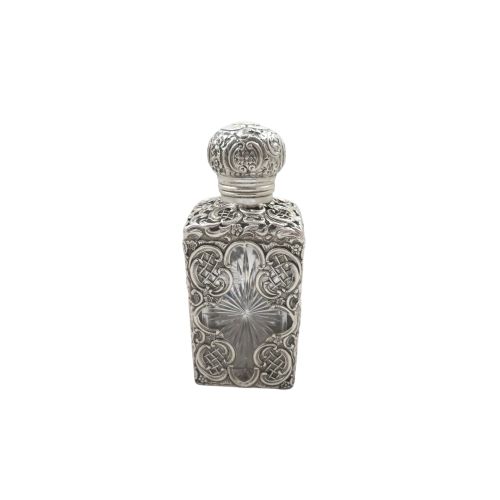
A silver dressing glass brings together glittering cut crystal and heavy sterling silver mounts, offering a glimpse into the refined rituals of the dressing room.
Silver Dressing Glass
Collectors seeking a silver dressing glass encounter a variety of antique vanity items designed for powders, perfumes, and trinkets. These pieces span from the ornate Georgian and Victorian eras through the geometric lines of Art Deco and Edwardian refinement.
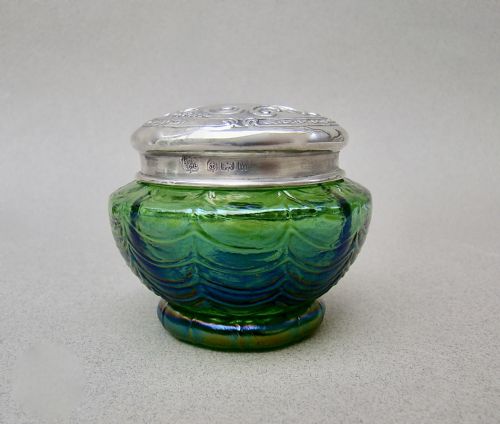
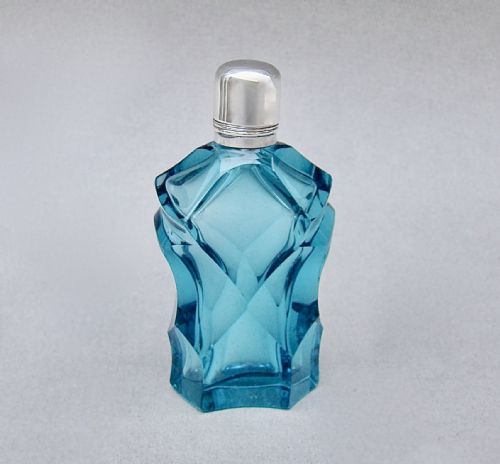
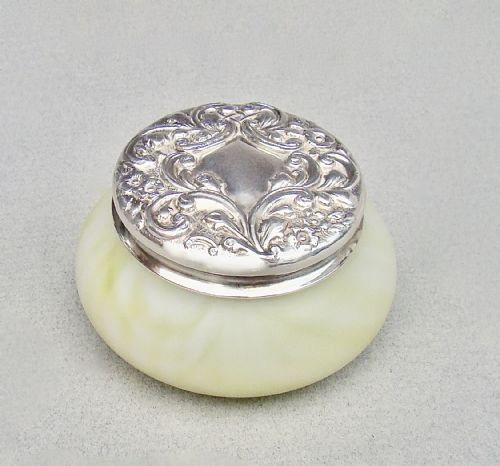
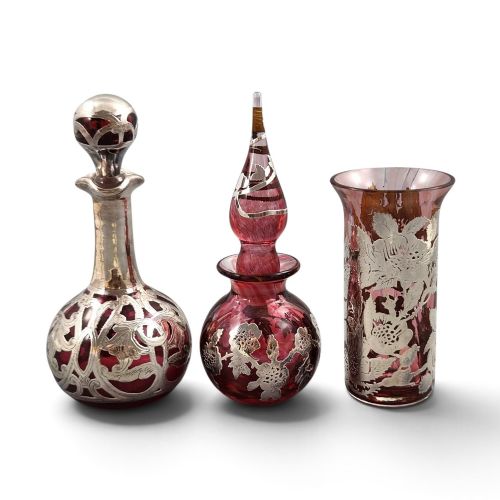
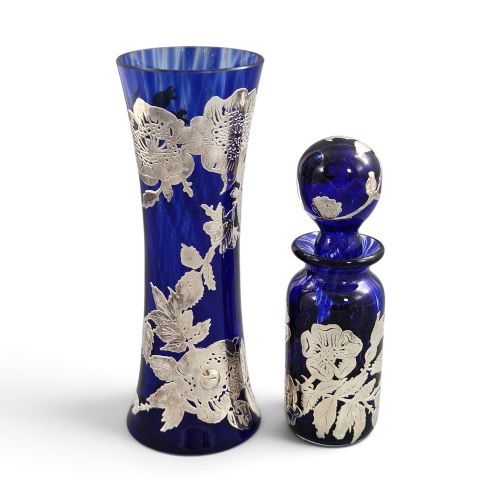
The selection ranges from heavy cut glass jars with sterling silver lids to colourful bohemian vessels in cranberry, teal, and cobalt glass. Many examples feature delicate enamel work or overlay designs that reflect changing tastes across the nineteenth and twentieth centuries.
How They Were Made
Craftsmen combined heavy-gauge sterling silver mounts with blown or moulded glass, often utilising hobnail or panel cutting to catch the light. Lids and collars were frequently stamped with hallmarks in assay offices such as Birmingham and London.
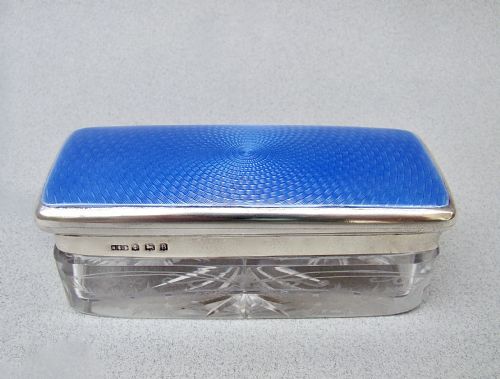
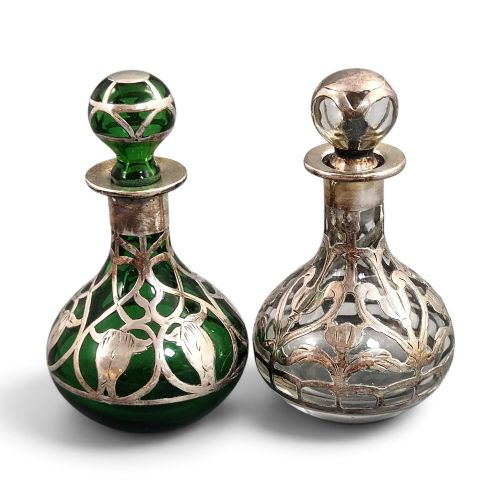
Surface ornamentation involved intricate techniques like guilloche enamel, repousse embossing, and silver overlay. Glass bodies incorporated rich mineral pigments to achieve deep cranberry, blue, and green hues.
An antique silver walking cane topped with a carved silver pheasant quietly oversees the dressing table collection.
What Varies in Quality
Superior examples distinguish themselves through substantial silver weight and crisp, deep hand-cutting on the glass bodies. The precision of the hallmarks and the complexity of supplementary enamel or overlay work indicate the level of workshop skill.
Makers known for exceptional retail presentation, such as Asprey or Mappin and Webb, often demonstrate superior finishing on both the internal fittings and the exterior mounts compared to standard commercial output.
A. J. Pepper & Co·Henry Clifford Davis·A. Bromet & Co·Gorham·Harold Bushell & Co·Henry Perkins·Karl Palda·Robert Pringle & Sons·Mappin & Webb·Henry Matthews·William Aitken·John Douglas·Asprey·Jenner and Knewstub·Adie Bros·Baccarat
The Silver Dressing Glass Glossary
- Guilloche enamel
- A decorative technique involving precise engine-turned geometric patterns beneath a translucent coloured enamel layer. It appears frequently on Art Deco dressing table items.
- Sterling silver
- An alloy consisting of ninety-two point five percent silver by mass, standard for British and imported silverwares found in these collections.
- Hobnail cut
- A sharp, faceted diamond pattern cut into the surface of glassware. This technique maximises light refraction across vanity jars and perfume bottles.
- Silver overlay
- A decorative method where sterling silver is bonded directly onto the glass surface in floral or abstract motifs. It requires careful thermal management during production.
- Assay mark
- An official stamp indicating the purity of the metal, the town of testing, and the date letter. These marks are essential for dating British silver mounts.
Silver Dressing Glass: Frequently Asked Questions
What is a silver dressing glass?
A silver dressing glass typically refers to a vanity jar, perfume bottle, or trinket box featuring a glass body and a sterling silver mount or lid. These items sat upon nineteenth and twentieth-century dressing tables to hold cosmetics, pins, and scents.
They served both functional and decorative purposes in domestic spaces. The combination of reflective glass and polished metal added brightness to the dressing room.
How do I date these items?
Dating relies heavily on the hallmarks stamped onto the silver mounts, which indicate the assay office and year of testing. Stylistic indicators, such as Victorian floral repousse or Art Deco geometric enamel, also help narrow the period.
Changes in glass colours and manufacturing techniques further assist in placing a piece within the Georgian, Victorian, Edwardian, or later twentieth-century eras.
How were vanity jars used?
These vessels held daily grooming preparations including powders, creams, pins, and colognes. Dressing sets kept dressing tables organised while displaying personal wealth and taste.
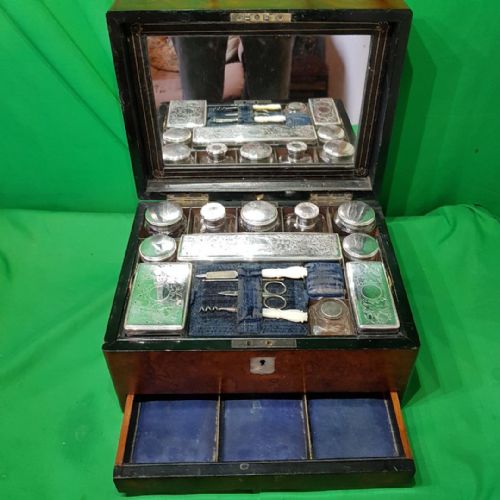
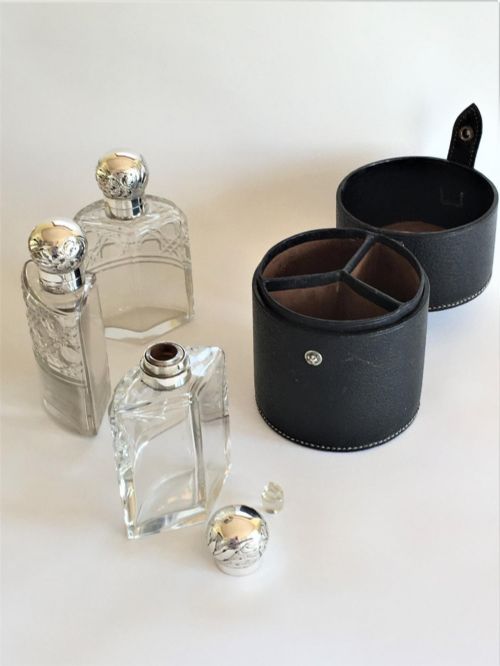
Travel versions often came in fitted leather cases to protect fragile glass and silver during transit. Ladies utilised them during journeys across Europe and beyond.
How do I care for antique silver and glass?
Maintenance involves gentle cleaning of the silver mounts using a soft cloth to avoid touching any enamel or glass surfaces with harsh polishes. Glass bodies benefit from warm, soapy water and careful drying.
Displaying pieces away from direct sunlight protects coloured glass and delicate enamel from fading. Proper handling prevents stress on the joints between metal collars and glass bases.