

Silver Desk Inkstand
A silver desk inkstand anchors the writing table, bringing substance and order to daily correspondence.

What a silver desk inkstand is
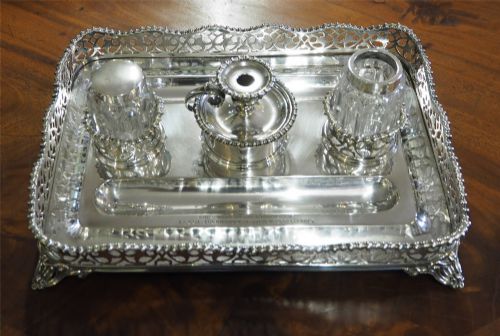
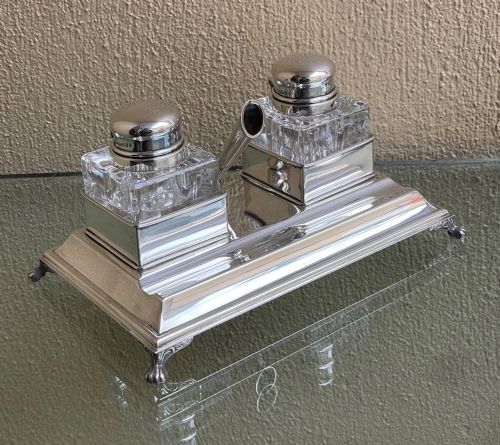
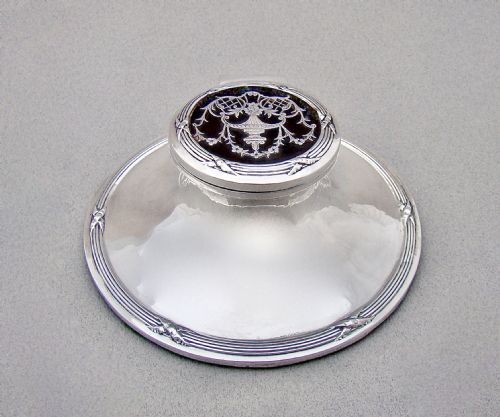
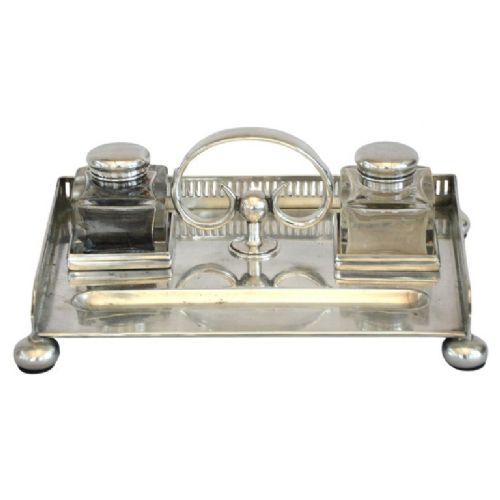
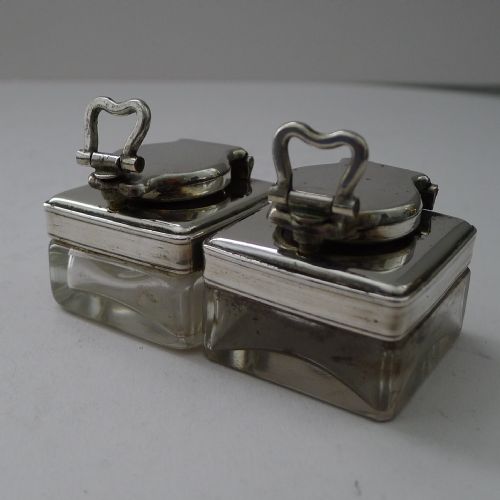
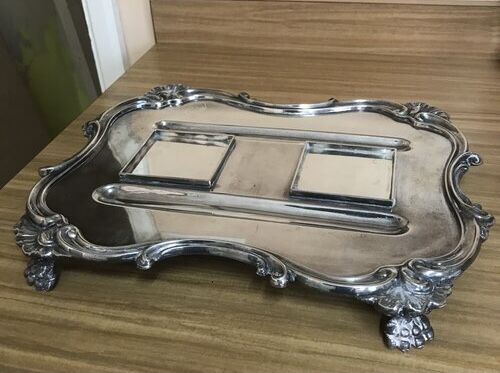
A silver desk inkstand brings together receptacles for liquid ink and trays for pens, providing a formal writing station for the desk or library. These desk accessories appear in forms ranging from simple glass and metal vessels to elaborate stands incorporating clocks, calendars, and chambersticks.
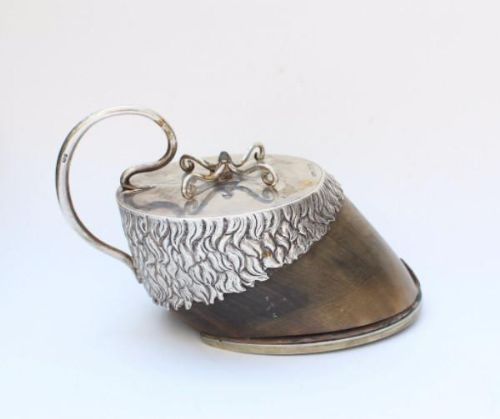
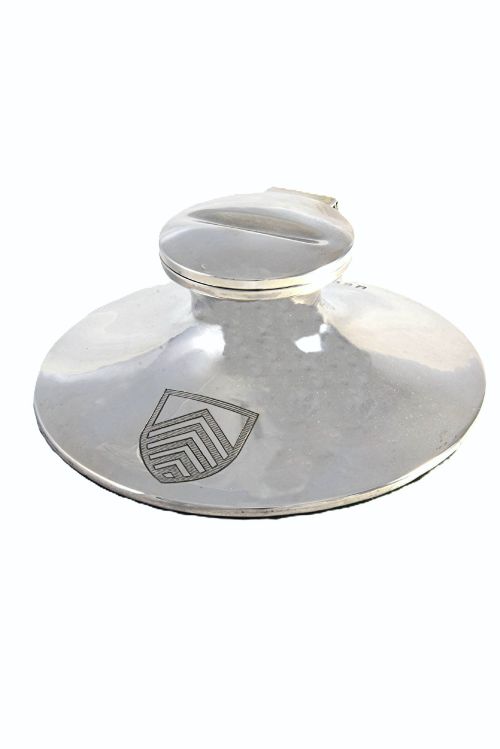
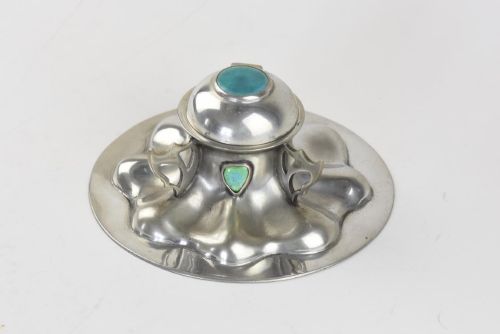
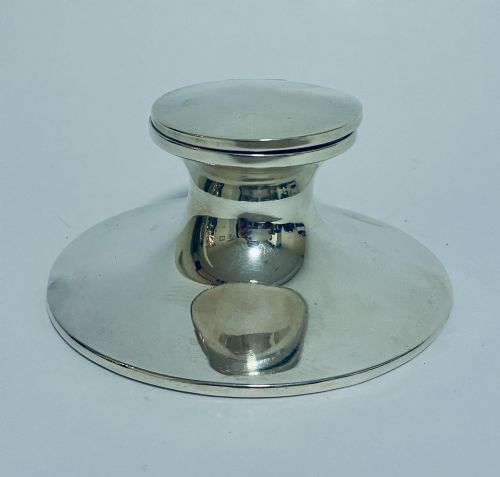
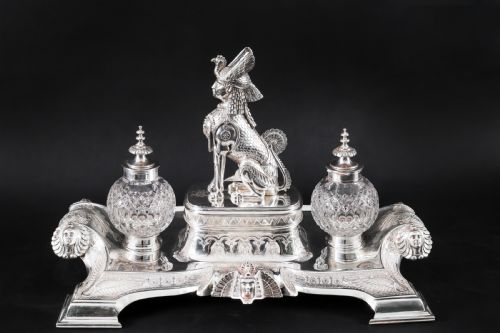
The pieces on this page span the Victorian, Edwardian, and Art Deco periods, alongside 19th-century examples. Buyers encounter everything from large double inkstands to capstan-shaped desk inkwells in sterling silver, silver plate, glass, and enamel.
Victorian and Edwardian versions often feature fitted cut glass inkwells and Sheffield or London hallmarks. Later Art Deco iterations introduce geometric lines, while combined pieces integrate pocket watches or perpetual calendars into the silver or oak mountings.
How they were made
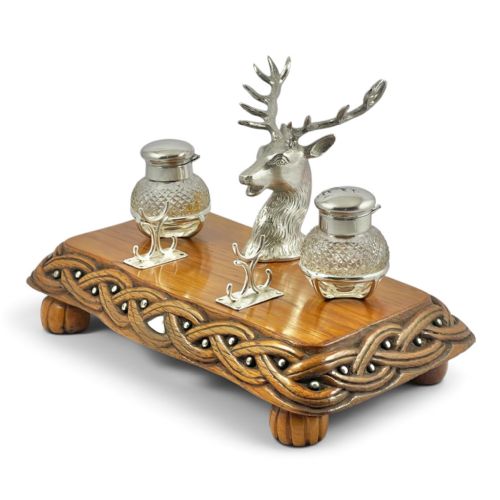
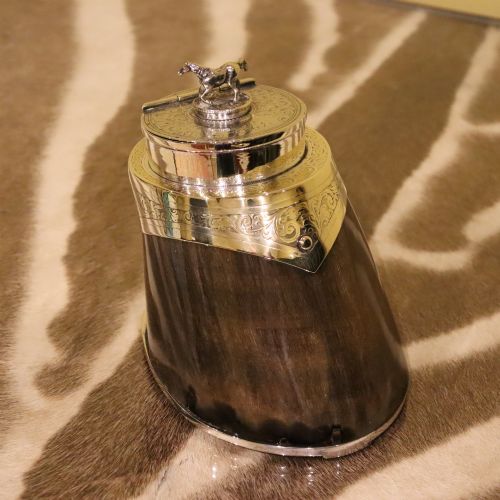
Silversmiths constructed these stands using sterling silver or silver plate over base metals, frequently combining them with cut glass, oak bases, or cow horn mounts. Metals were shaped through spinning, casting, and hand-beating, creating solid bodies designed to hold heavy inkwells without tipping.
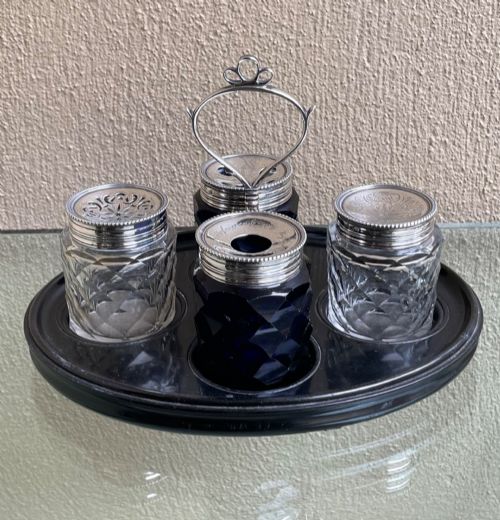
Glass inkwells were heavy-moulded or cut to catch the light, fitted with hinged silver collars and matching lids to prevent the ink from drying out. Makers incorporated enamel work for colour and mounted timepieces or calendars into dedicated bezels within the stands.
Retail Price Guide 2026
Typical UK retail prices for silver desk inkstand, calculated from the Sellingantiques database of over a million retail prices indexed since 2003. This retail price guide relies exclusively on Sellingantiques data; no external sources or auction records are used, so the figures do not describe the wider market.
Desk accessories in this category frequently combine inkwells with auxiliary items like pocket watches, chambersticks, perpetual calendars, and cow horn mounts.
What varies in quality
The distinction between standard pieces and finer examples rests on the weight of the silver, the clarity and depth of the cut glass, and the integration of fitted accessories like pocket watches or calendars. Heavier gauge sterling silver and crisp hallmarks from recognised urban assay offices signal superior production.
Design complexity also defines the tier of a piece, separating straightforward capstan inkwells from multi-element desk sets featuring chambersticks, double inkwells, and figural horn mounts. The precision of the hinged lids and the matching of components determine the overall coherence of the stand.
The Wilmot Manufacturing Co·C.S. Harris London·Frederik Haberling·Horace Woodward & Co Ltd
The Silver Desk Inkstand Glossary
- Capstan inkwell
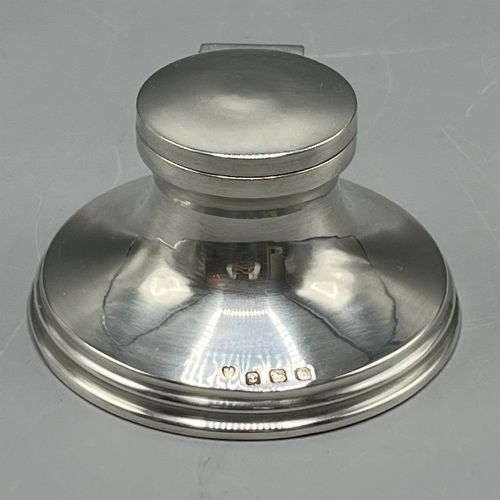
- A desk inkwell shaped like the nautical capstan, featuring a wide base that tapers upwards to a flat top with a hinged lid. This form provides exceptional stability on a busy writing desk.
- Sterling silver
- An alloy of silver containing 92.5 percent pure silver and 7.5 percent other metals, usually copper, ensuring durability for functional desk accessories. British pieces carry assay office marks confirming this standard.
- Silver plate
- A manufacturing method where a thin layer of silver is fused onto a base metal such as copper or Britannia metal. Many Victorian and later desk sets utilise this technique to achieve the appearance of solid silver at a different scale.
- Chamberstick
- A low portable candlestick fitted with a handle and a saucer catch, sometimes incorporated into larger desk inkstands for use in poorly lit rooms. These additions turned a writing tray into a multi-functional evening accessory.
- Hallmark
- A series of official marks stamped onto precious metal items in Britain, indicating the maker, purity standard, assay office, and year of testing. These stamps allow collectors to date pieces accurately.
Frequently Asked Questions
How do I date a silver inkstand?
Dating a silver inkstand relies primarily on the hallmarks stamped into the metal by British assay offices. These marks include date letters that correspond to specific years of production.
Stylistic cues also help, such as the ornate detailing of Victorian pieces, the lighter proportions of Edwardian designs, or the geometric forms of Art Deco examples.
Did inkstands come with pens?
Inkstands typically provided a tray or trough to rest dip pens rather than including the pens themselves, which were often considered personal items. The troughs kept nibs from rolling onto the desk and staining surrounding papers.
Over time, many original pens have separated from their stands, leaving the tray as the primary indicator of where writing implements rested.
How do I clean a silver inkstand?
Cleaning a silver inkstand requires a soft cloth and a reputable silver polish, applied gently to avoid wearing away thin plating or rubbing the hallmarks. Care must be taken around glass inserts, enamel panels, and fitted clock movements.
Regular, light dusting helps prevent heavy tarnish buildup, reducing the need for abrasive cleaning methods that can damage antique surfaces.