

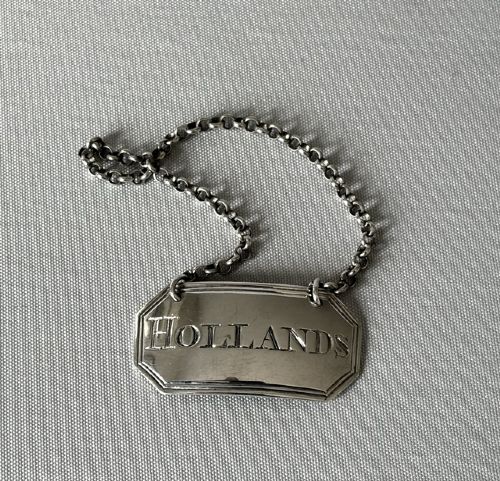
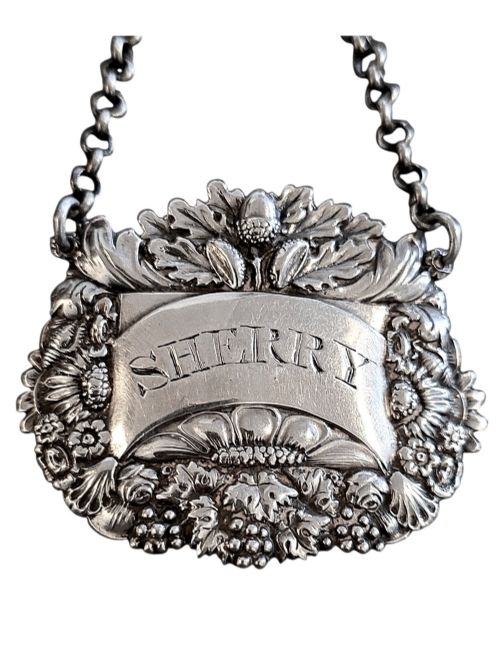
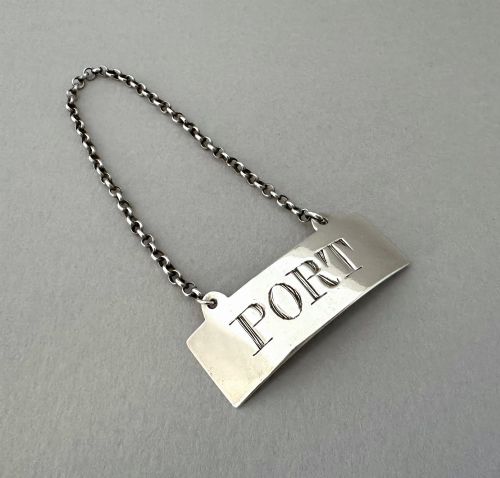
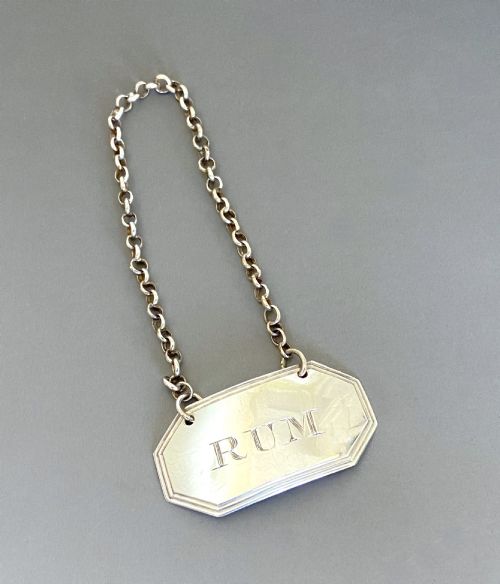




Silver Decanter Bottle Ticket
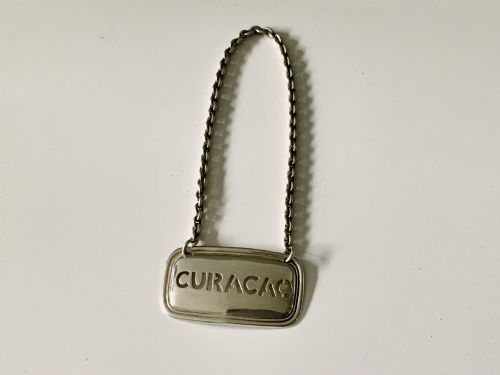
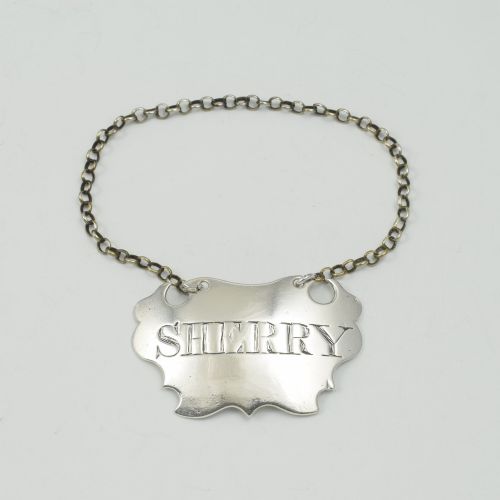
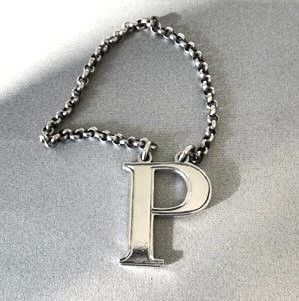
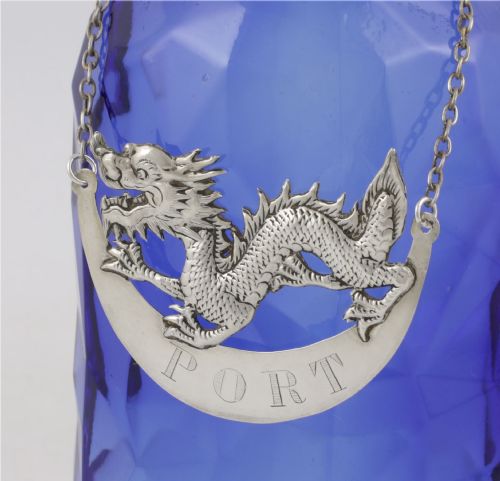
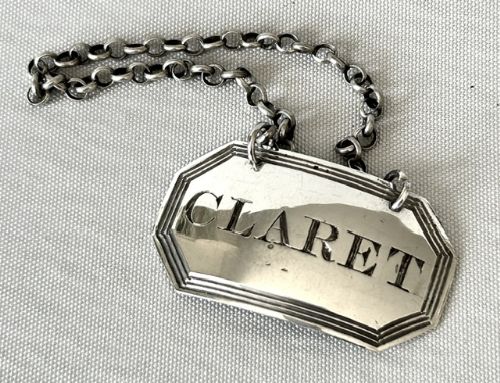
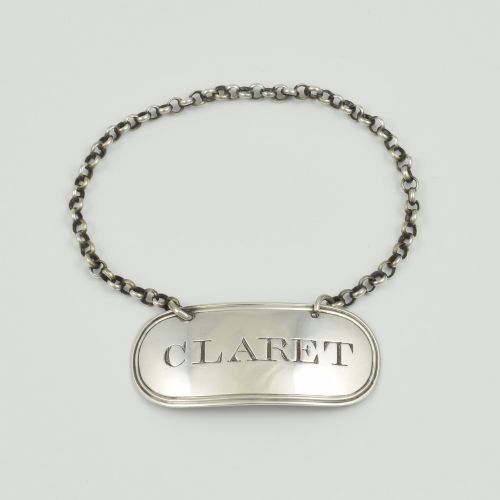
These silver decanter bottle tickets identify your port, sherry, and claret while hanging from slender chains around crystal necks.
Silver Decanter Bottle Ticket
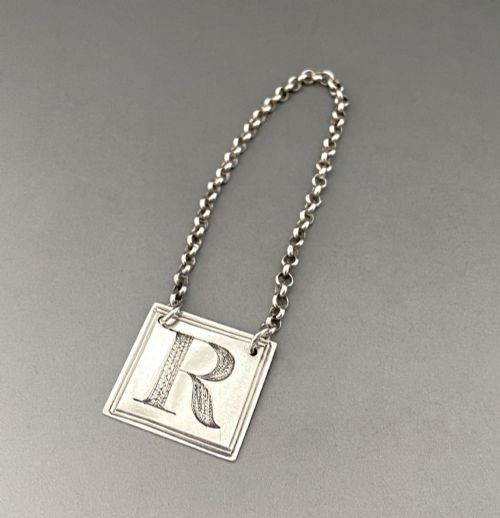
A silver decanter bottle ticket is a small metal tag designed to hang around the neck of a decanter, naming the spirit or wine held within. When you search for this phrase, you encounter pieces that span the Georgian, Victorian, and Edwardian eras, produced in solid silver or silver gilt.
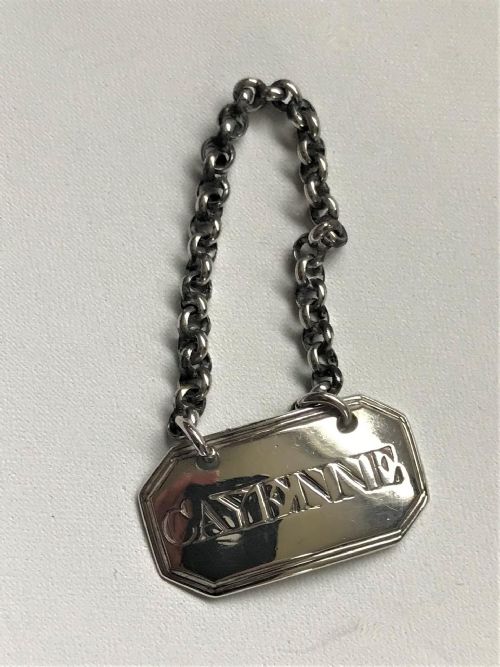
The form most frequently met on this page is the single stamped or pierced label, often shaped as a vine leaf, crescent, or escutcheon. These identifiers range from standard titles like sherry and port down to specific condiments or spirits such as cayenne and rum.
Origins stretch from London workshops to Scottish provincial towns and Chinese export houses. Collectors find both individual tags and matching sets intended for a dining suite.
Materials and construction
Makers shaped these bottle tickets from sterling silver and solid silver, occasionally applying a layer of silver gilt to achieve a richer finish. Some examples incorporate enamel details or feature teal glass components on related bottle forms.
The manufacturing process typically involved cutting sheet silver, followed by piercing, stamping, or chasing to create floral, vine leaf, or armorial motifs. Silversmiths then engraved the beverage title by hand and attached a suspension chain.
Silver Decanter Bottle Ticket Retail Price Guide 2026
Typical asking prices for silver decanter bottle ticket among the pieces listed under this phrase on Sellingantiques today, from the lower quarter to the upper quarter. They describe what is for sale here now, not the wider market.
Listings feature sterling silver, silver gilt, and enamel materials across Georgian, Victorian, and Edwardian periods.
Distinctions in quality
The division between standard work and superior output lies in the crispness of the piercing and the depth of the engraving. Master silversmiths achieved sharper lettering and more balanced proportions on escutcheon and vine leaf outlines.
Pieces bearing clear makers' marks and full town hallmarks command greater attention than unmarked examples. The presence of original suspension chains and scarce titles like cayenne further separates ordinary production from exceptional survivals.
Elizabeth Morley·Tiffany·Digby Scott Benjamin Smith·John Reily·Thomas Wallis II·William Sharp·Peter And Anne Bateman
The Silver Decanter Bottle Ticket Glossary
- Escutcheon
- A shield-shaped plaque used for naming the contents of a bottle. This form provides a broad surface for hand-engraved titles and crests.
- Silver gilt
- Silver covered with a thin layer of gold on the surface. This technique adds a warm yellow tone and protects the underlying metal from tarnishing.
- Provincial silver
- Items marked outside the main assay towns such as London or Edinburgh. Scottish provincial pieces carry local maker marks rather than standard assay office symbols.
- Decanter accessories
- Ancillary items designed for use with wine decanters, including labels, bottle tickets, and coasters. They assist with table service and bottle identification.
Silver Decanter Bottle Ticket: Frequently Asked Questions
How do I hang a bottle ticket?
These tickets use integrated loops or attached silver chains to suspend around the neck of a glass decanter. The chain rests loosely just below the stopper rim.
Ensure the chain length allows the tag to hang clear of the shoulder without scratching the crystal surface.
What drinks do the labels name?
The most common designations found on these pieces are port, sherry, madeira, and claret. Other examples name brandy, gin, rum, hock, and moselle.
Unusual tickets occasionally indicate specific condiments or singular portions like cayenne or one go.
Are these labels sold in sets?
Listings include both individual bottle tickets and matching sets of three or more. Sets allow hosts to coordinate multiple decanters on a dining table.
Matching sets often share identical vine leaf or escutcheon designs stamped by the same workshop.
How do I date an antique ticket?
Dating relies on identifying stamped assay office marks, maker initials, and stylistic cues. Georgian examples display distinct hand-engraved lettering and simpler pierced borders compared to later Victorian pieces.
Reference marks against historical registers to confirm the exact year and city of manufacture.