
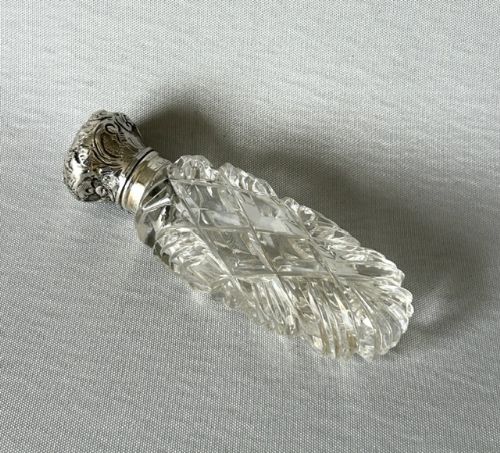
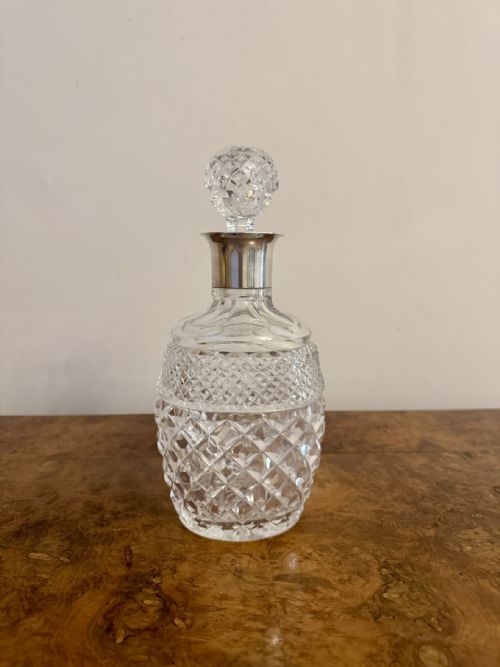
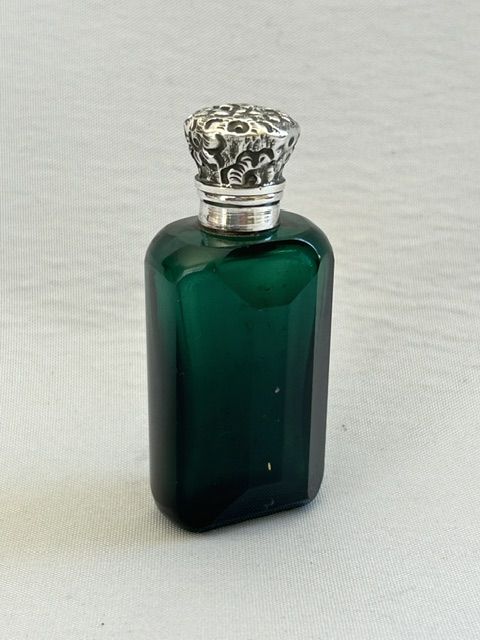
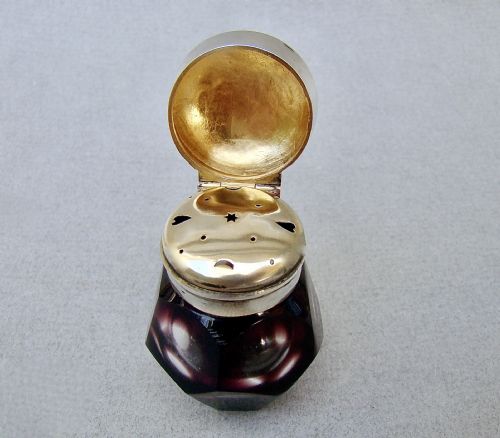
Silver Cut Glass Bottle
These silver cut glass bottle pieces combine heavy lead crystal with sterling silver mounts, serving as functional scent vessels, decanters and cruets from the Victorian and Edwardian eras.
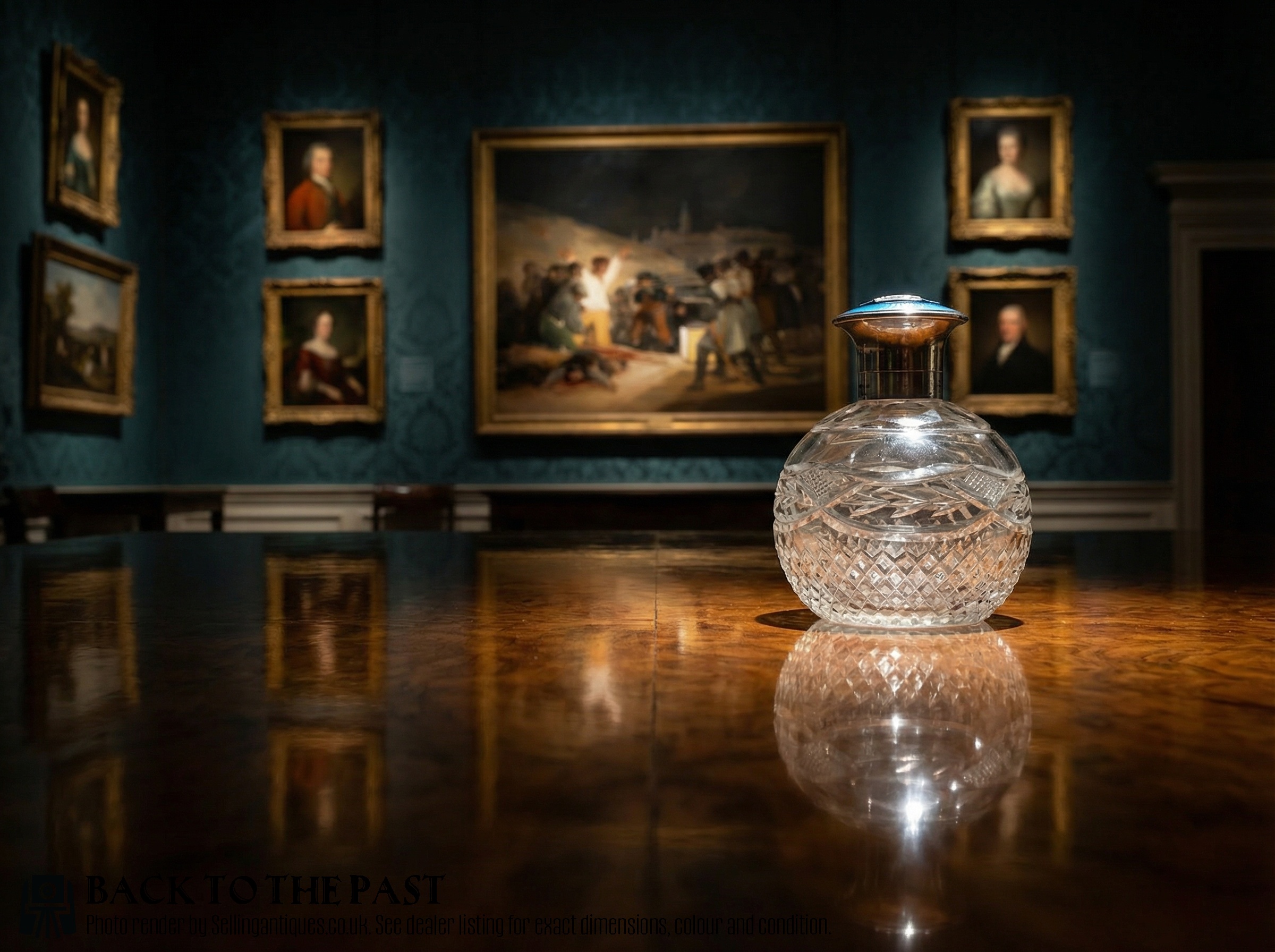
Silver Cut Glass Bottle
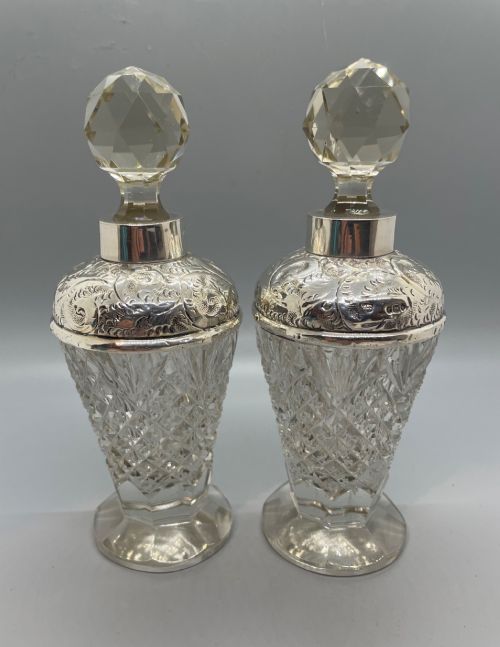
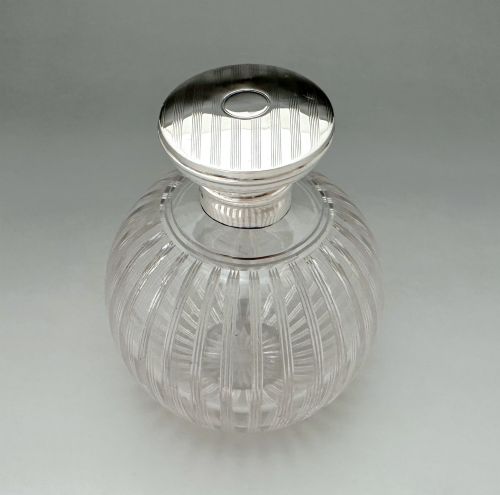
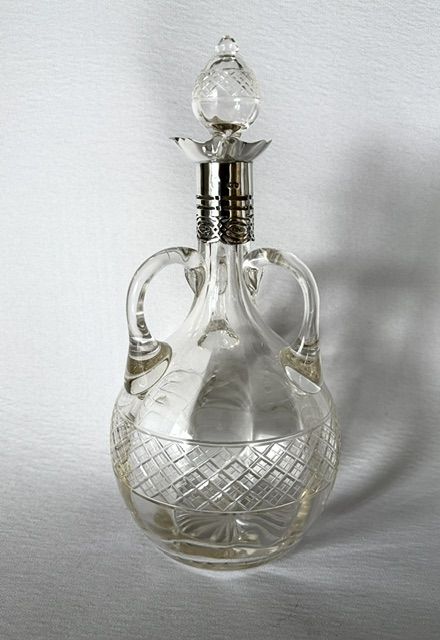
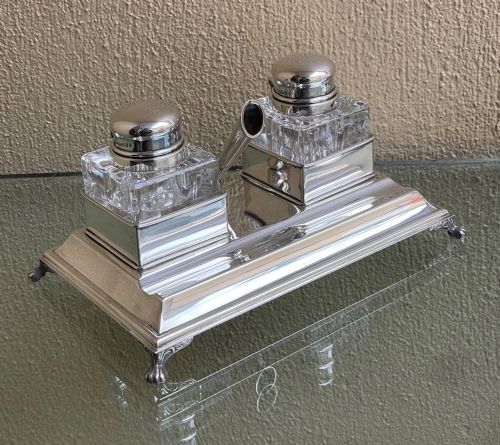
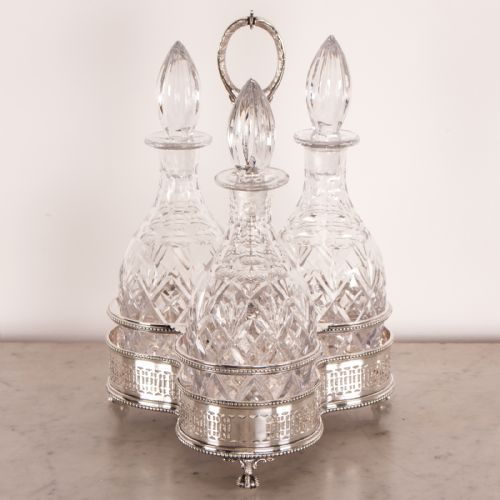
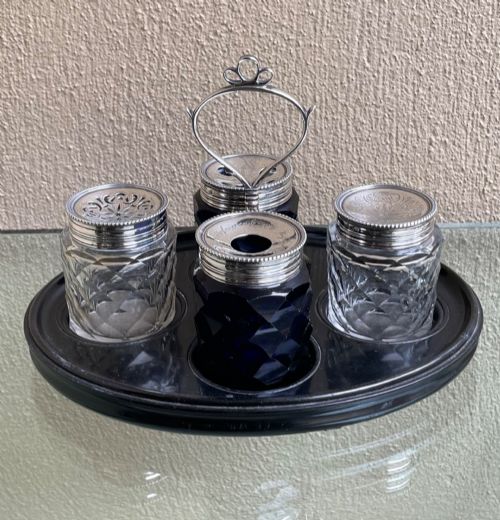
A silver cut glass bottle selection encompasses diverse utilitarian objects designed for the dressing table, dining room and travel, including scent bottles, decanters, inkstands and cruet sets. The records show a heavy concentration of Victorian and Edwardian examples alongside Georgian, Art Deco and mid-century items.
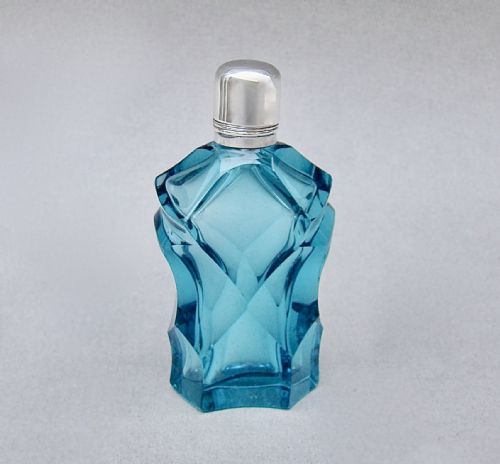
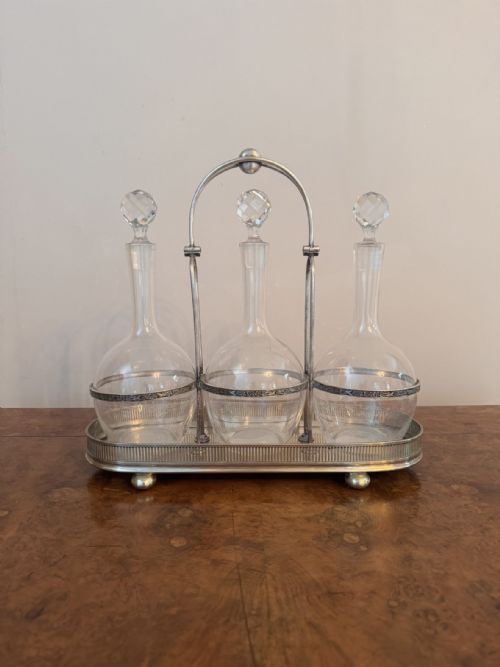
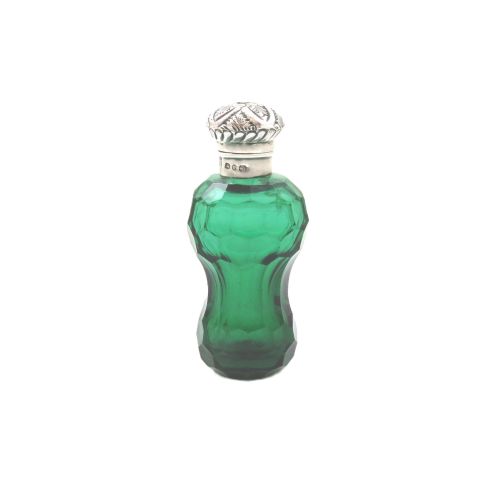
Scent bottles and perfume flasks form the largest grouping among surviving items, frequently paired with coloured glass such as cranberry, teal, amber, amethyst and green. Larger table pieces like spirit decanters, tantalus sets and multi-bottle cruet frames appear alongside smaller personal accessories.
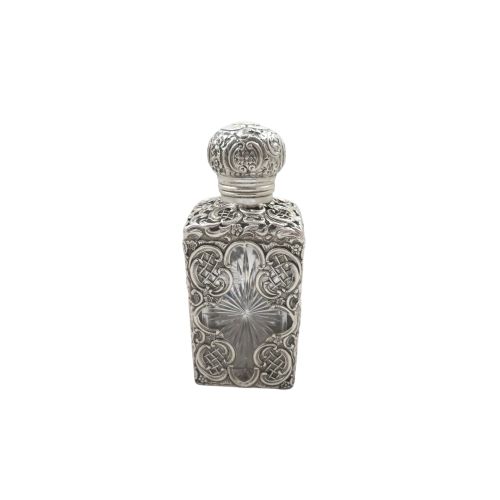
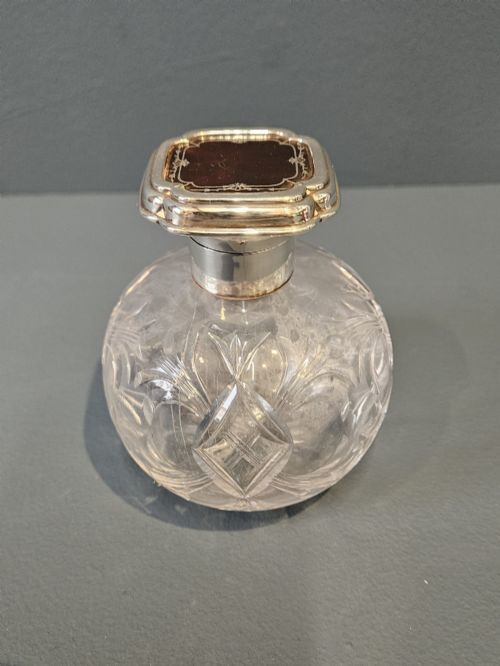
Makers utilised sterling silver and silver plate for collars, hinged caps, stoppers and stands, often incorporating tortoiseshell, enamel or gilding. Buyers encounter both clear cut crystal and vibrant coloured glass bodies spanning the nineteenth and twentieth centuries.
How they were made
Glassmakers blew or moulded vessels into shape before applying deep geometric facets, flutes or sliced cuts across the surface to refract light. Coloured glass varieties such as cranberry, uranium, amber and Bristol green were achieved by adding metallic oxides to the molten batch.
Silversmiths formed collars, mounts, lids and frames from sterling silver or silver plate, frequently employing embossing, chasing or guilloche enamel decoration. Components were secured to the glass bodies using specialised adhesives and precise mechanical fittings.
Listings feature Victorian, Edwardian, and Art Deco pieces spanning from 1800 to 1960, utilising sterling silver, silver plate, and various coloured glasses.
What varies in quality
The precision and depth of the glass cutting dictate the tactile weight and visual brilliance of a piece, with crisper facets separating finer production from simpler moulded wares. Coloured overlays and rarer glass hues like uranium or citrine represent more ambitious manufacturing standards.
Silversmithing standards appear in the thickness of the metal mounts, the integrity of hinges on perfume caps, and the presence of legible hallmarks recording maker marks and assay offices. Fitted presentation cases and matched multi-bottle sets elevate the status of surviving tablewares.
Harold Bushell Co·Henry Perkins·Karl Palda·Walker Hall·Charles May·The Mousley Brothers·Levi Salaman·Sampson Mordan Co·J Grinsell Sons·William Comyns
The Silver Cut Glass Bottle Glossary
- Sterling silver
- A silver alloy containing 92.5 percent pure silver and 7.5 percent other metals, usually copper, widely used for bottle collars and mounts. Hallmarks stamped into the metal verify its standard and origin.
- Cut glass
- Glassware shaped and decorated by abrasive wheel cutting to produce sharp-edged facets and geometric patterns. It differs from mould-pressed glass by its crisp tactile edges and high refractive index.
- Vinaigrette
- A small ornamental container featuring an internal pierced grille, designed to hold a sponge soaked in aromatic vinegar. These scent-related items often appear in silver alongside coloured glass bodies.
- Guilloche enamel
- A decorative technique where translucent enamel is layered over precisely engraved or machine-turned metal patterns. It frequently decorates Edwardian and Art Deco perfume bottle caps.
- Tantalus
- A locking beverage stand that secures decanters behind a metal bar to prevent unauthorized access while displaying the contents. The mechanism combines woodwork with silver-plated or solid metal hardware.
Silver Cut Glass Bottle: Frequently Asked Questions
How do I date a silver cut glass bottle?
Dating relies primarily on the assay office hallmarks stamped onto the silver collars or mounts, which record the exact year letter and city. Stylistic details such as Edwardian proportions or Victorian engraved decoration also help narrow down the period.
Unmarked pieces or those with silver-plated mounts require stylistic comparison with hallmarked examples and glass manufacturing trends. Coloured glass hues and cutting styles offer additional clues regarding the decade of production.
Were these bottles meant for travel?
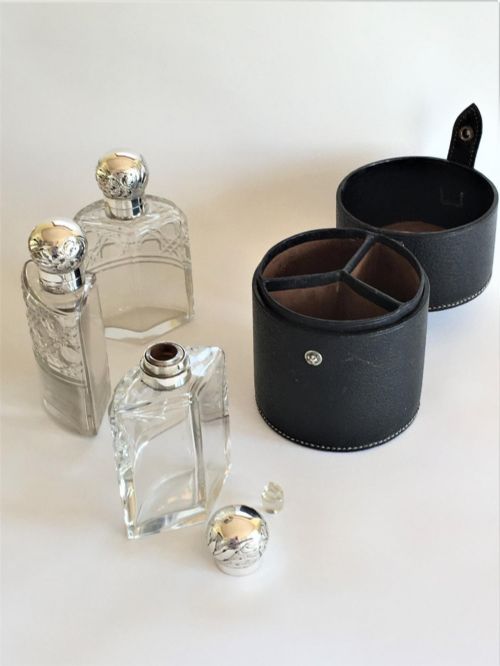
Many smaller perfume and cologne bottles were manufactured specifically for travel use, often featuring secure screw caps or hinged lids inside fitted leather cases. Travelling sets kept personal fragrances contained during transit.
Larger decanters, inkstands and cruet sets remained stationary on dining tables, desks or tantalus frames. Portable chatelaine scent bottles were designed to clip onto a belt for daily wear.
How should I clean silver mounts safely?
Silver mounts require gentle cleaning with a soft microfibre cloth and specialised silver polish applied away from the glass. Avoiding abrasive pads prevents damage to the surrounding metal.
Care must be taken to keep liquid polish away from internal cork linings, cemented collars, and delicate glass surfaces. Enamelled caps demand particular caution to avoid stripping the coloured glass or metalwork.
What caused the different glass colours?
Glassmakers introduced specific metallic oxides into the molten batch to produce distinct shades like cranberry gold, green iron, or amber sulphur. These vibrant hues enhanced the visual appeal of dressing table bottles.
Clear crystal allowed maximum brilliance through deep facet cutting, while cased or flashed glass combined a coloured exterior layer over a clear interior body.