
Antique Glass Vanity Jar
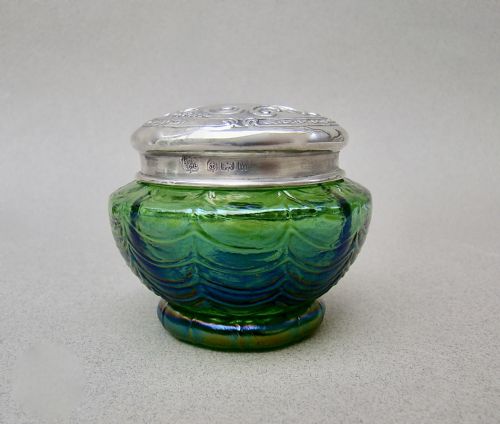
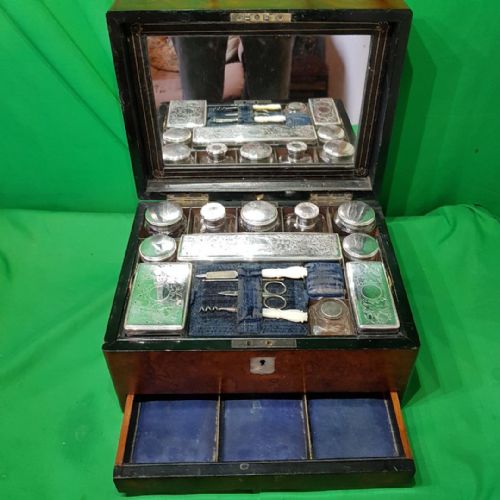
These antique glass vanity jar pieces bring Victorian and Edwardian dressing tables a touch of gleaming practicality.
Identifying an antique glass vanity jar
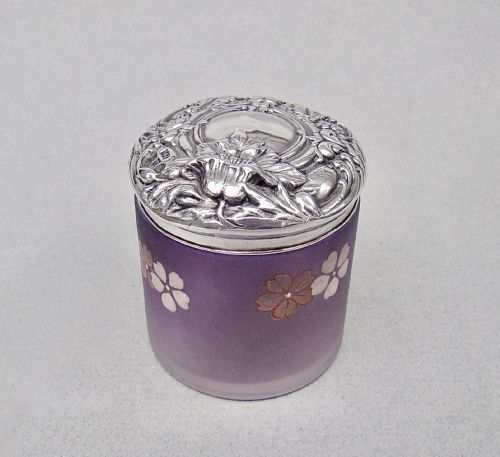
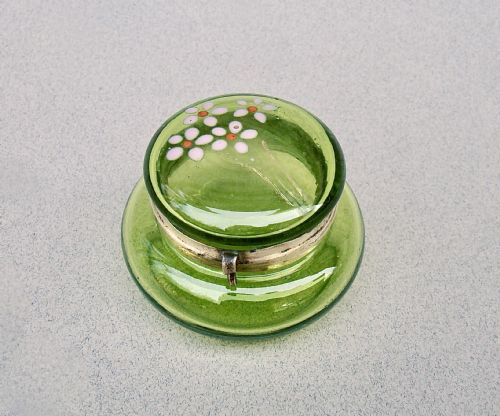
When you search for an antique glass vanity jar, you examine vessels designed to hold powders, creams, and perfumes on a dressing table. The pieces found here span the Victorian and Edwardian eras, stretching from eighteen sixty into the early twentieth century.
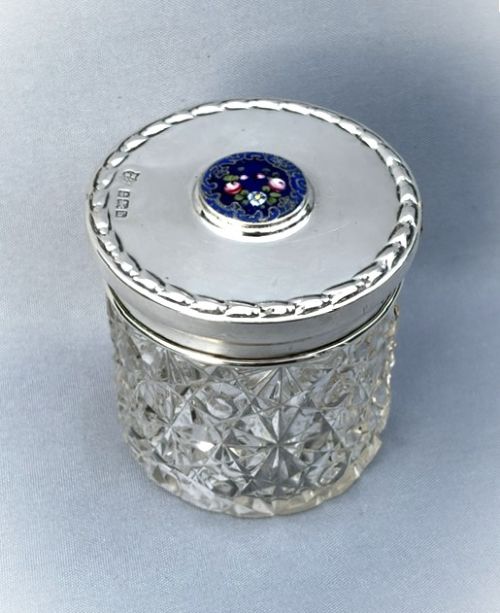
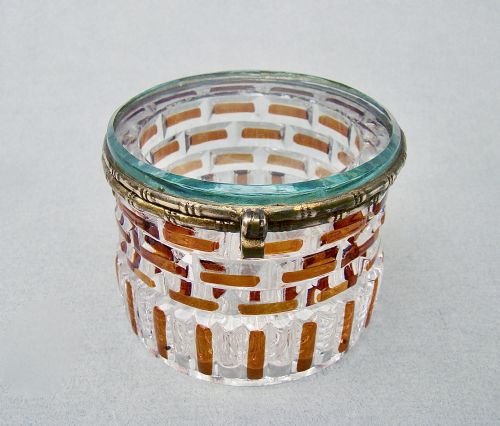
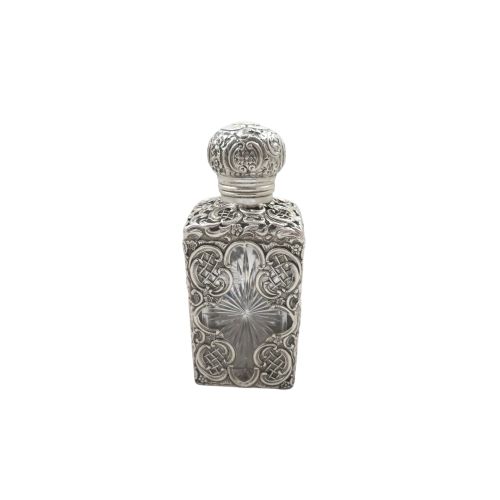
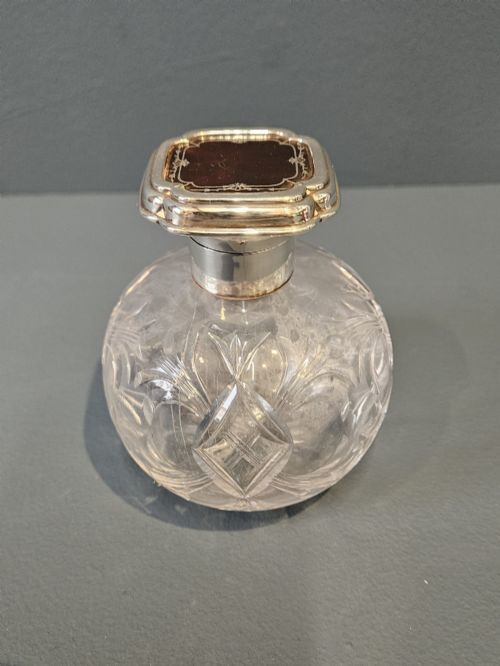
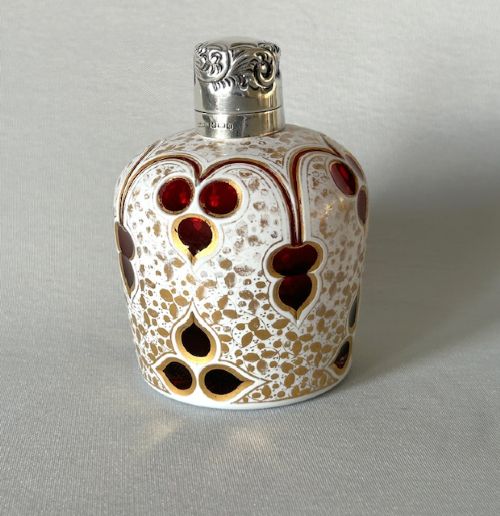
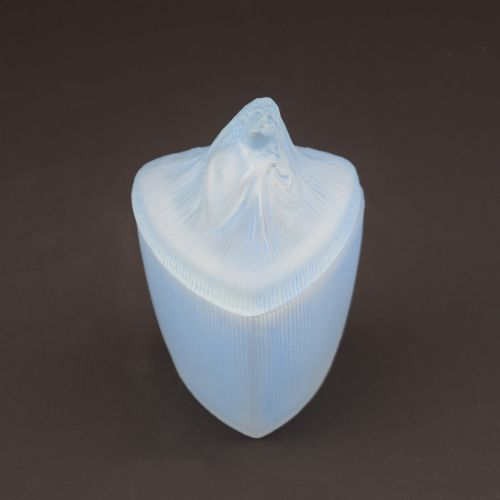
The selection includes scent bottles and perfume flasks alongside lidded pots and jars. Many examples combine heavy cut glass or ruby glass with precious metals and tortoiseshell.
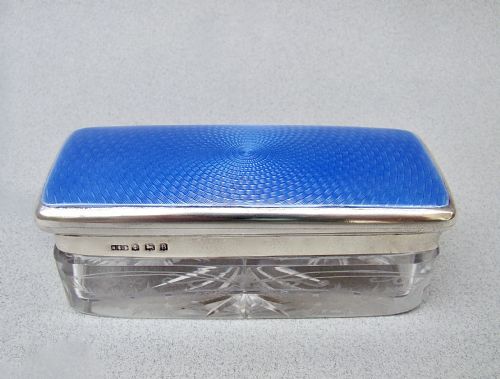
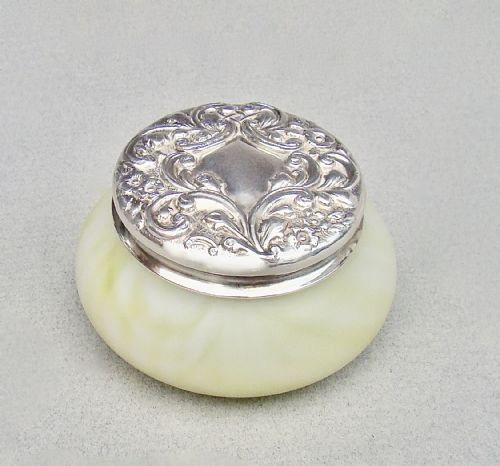
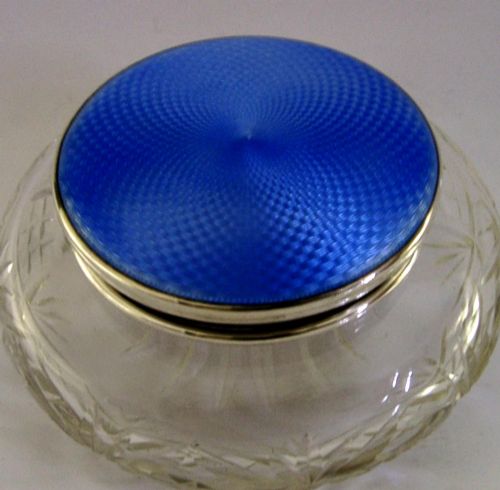
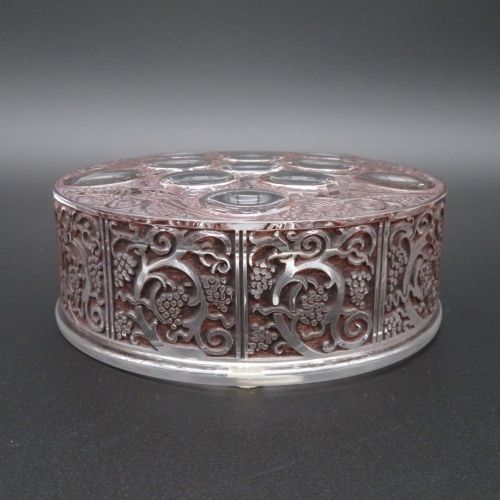
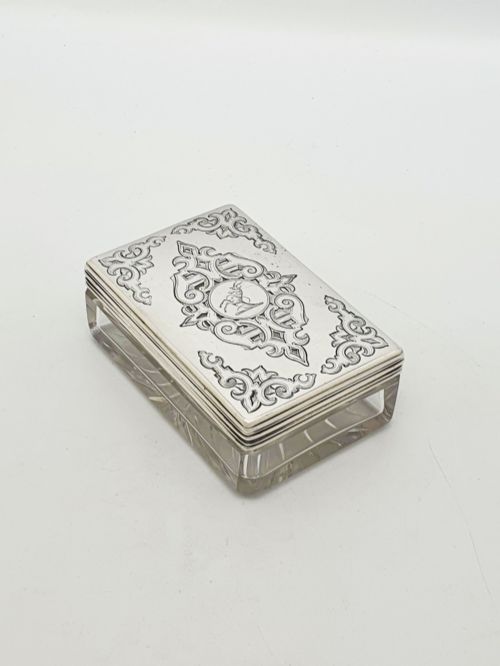
The archive shows that makers paired glass bodies with sterling silver lids, enamel, and even figural mounts shaped like owls and cats. These containers reflect the elaborate dressing table customs of the nineteenth and early twentieth centuries.
Materials and construction
The glass bodies rely on traditional techniques of blowing and deep cutting to catch the light on a dressing table. Ruby glass and clear cut crystal form the durable containers that hold liquids and cosmetics safely.
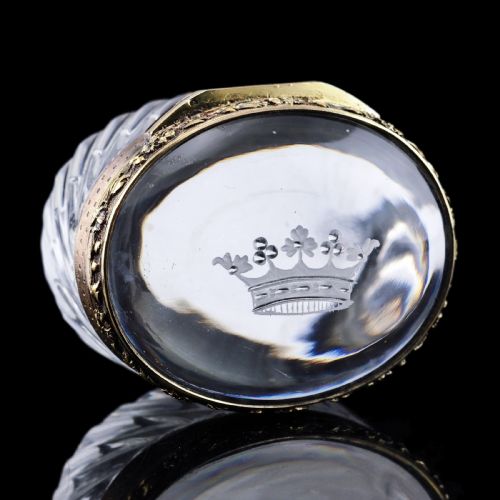
Lids and mounts incorporate sterling silver, silver plate, and brass, often decorated with embossed designs or inlaid pique work. Skilled artisans fitted these metal components precisely to the glass rims, frequently adding enamel or tortoiseshell panels.
Listings feature items spanning from eighteen sixty to the nineteen thirties, incorporating ruby glass, cut crystal, and sterling silver.
Judging quality in dressing table glass
Quality rests in the crispness of the glass cutting and the weight of the metal components. Heavy cut crystal and thick ruby glass demonstrate a superior material standard compared to thin, lightweight alternatives.
The distinction between standard production and finer work lies in the detail of the mounts, such as pierced sterling silver, hand-painted enamel, or figural animal lids with original glass eyes. Maker involvement, evidenced by firms like Asprey and Co, also elevates the standing of a piece.
Asprey and Co
The Antique Glass Vanity Jar Glossary
- Vanity jar
- A lidded container used on a dressing table for holding cosmetics, creams, or pins. These pots usually feature decorative metal lids made of silver or brass.
- Cut glass
- Glassware shaped and patterned by grinding facets into the surface with a wheel. This technique creates sharp geometric designs that refract light.
- Ruby glass
- A deep red glass created by adding gold chloride to the molten batch during production. It remains a striking material for Victorian scent bottles and vanity containers.
- Sterling silver
- An alloy of silver containing ninety-two point five percent pure silver and seven point five percent other metals, usually copper. It provides the durable, polished lids found on many Edwardian dressing table jars.
- Pique inlay
- A decorative technique involving tiny pins or strips of gold and silver pressed into tortoiseshell or ivory. It frequently adorns the lids of early twentieth-century vanity pots.
Frequently Asked Questions
What is an antique glass vanity jar?
These pieces are small lidded containers and bottles created to sit on a dressing table to hold powders, creams, or perfumes.
They combine glass bodies with decorative metal or tortoiseshell lids, reflecting the personal grooming habits of the Victorian and Edwardian periods.
How were vanity jars used?
Owners used them daily for storing cosmetics, scents, and toiletries within easy reach during dressing routines.
Their decorative metal lids kept contents secure while adding a polished display element to bedroom furniture.
How do I date a vanity jar?
Dating relies on hallmarks stamped on the silver lids, stylistic cues in the glass cutting, and the overall manufacturing materials.
Victorian pieces often feature heavier floral embossing, while Edwardian examples lean towards cleaner neoclassical or Art Nouveau lines.
How do I care for antique glass?
Wash the glass components gently by hand using warm water and mild soap, avoiding harsh abrasives that scratch the surface.
Keep silver and metal lids polished with appropriate cloths to prevent tarnish accumulation over time.