



Edwardian Cut Crystal Flask
Edwardian cut crystal flask pieces are portable glass containers with metal mounts, combining practical utility with refined decorative work for travel or personal use.
Edwardian Cut Crystal Flask
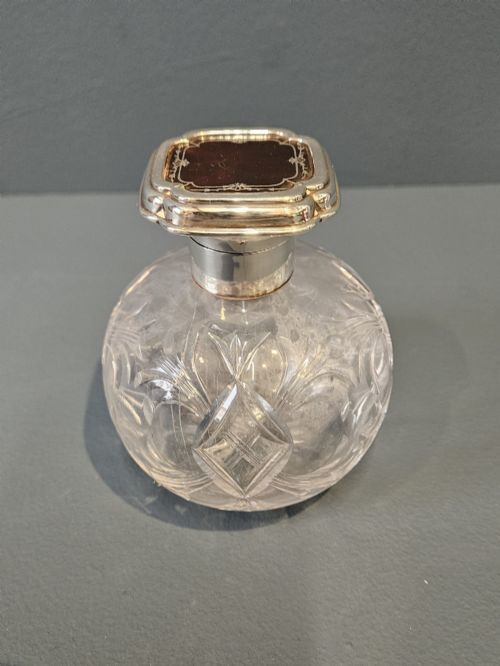
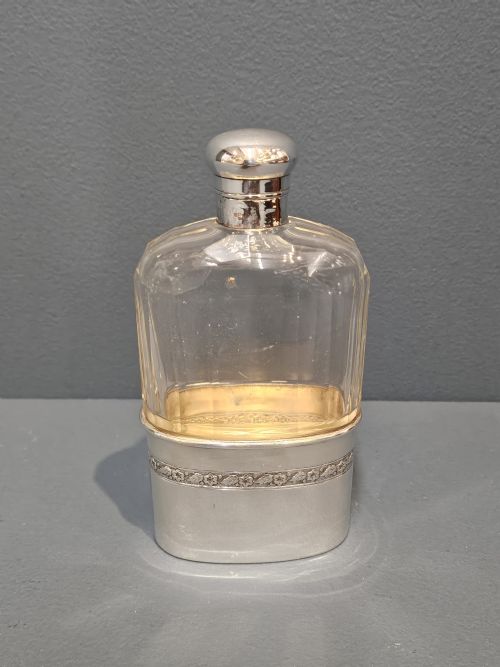
When searching for an edwardian cut crystal flask, collectors encounter portable glass containers designed for liquids, most frequently taking the form of scent bottles and hip flasks. These items combine functional glass bodies with protective or decorative metal mounts, serving personal grooming or travel needs.
The selections span multiple eras, showing examples from the Victorian period through the Edwardian era into the Art Deco period. Alongside standard scent bottles, the listings include saddle flasks with leather cases and cologne bottles fitted with locks.
Materials and construction
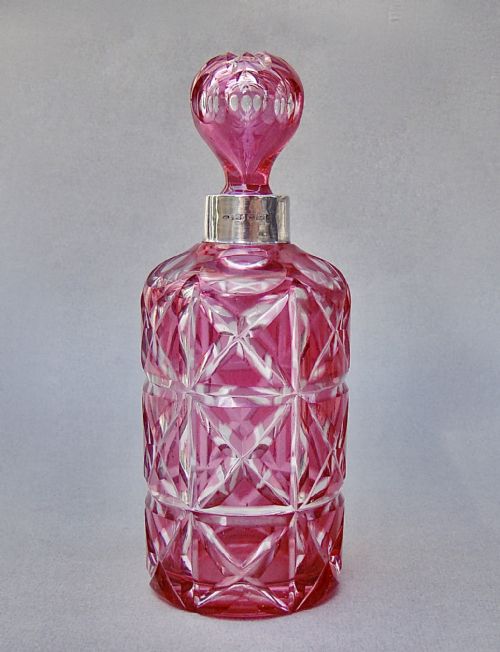
Makers utilised heavy glass and crystal, often shaping the body through deep cutting or applying coloured overlays in ruby, cranberry, and green. Metal components predominantly consist of sterling silver, providing durable caps and collars for the glass vessels.
Detailing on these pieces incorporates organic materials and decorative finishes, including tortoiseshell inlays and guilloche enamel. Leather cases accompany specific travel forms like saddle flasks to protect the glass during movement.
Current listings feature items spanning the nineteenth century through the Art Deco era, incorporating cranberry glass, tortoiseshell, and guilloche enamel.
Assessing quality in execution
The distinction between tiers of work rests upon the precision of the glass cutting and the complexity of the metal mounts. Crisp, deep facets on the crystal and substantial sterling silver caps indicate superior craftsmanship.
Specialised additions such as intact guilloche enamel panels, fitted leather cases, or functioning lock mechanisms elevate the sophistication of the piece. Simpler glass bodies with plain silver mounts represent the more utilitarian end of the spectrum.
Harold Bushell & Co·Barnsley & Co
The Edwardian Cut Crystal Flask Glossary
- Guilloche enamel
- A decorative technique involving precise, intricate mechanical patterns engraved beneath a translucent enamel coating. This finish appears frequently on the lids of portable scent bottles.
- Saddle flask
- A specialised bottle shaped to fit within a leather case for equestrian use. These pieces often feature captive silver caps suitable for travel.
- Cut crystal
- Glass containing lead oxide that is faceted by grinding and polishing to increase brilliance. The process creates sharp light reflections across the surface.
- Overlay glass
- A manufacturing method where a layer of coloured glass is fused over a clear or contrasting body before being cut away. This technique exposes the underlying layer in distinct patterns.
Edwardian Cut Crystal Flask: Frequently Asked Questions
What were saddle flasks used for?
Saddle flasks served riders who required portable liquid containers during outdoor pursuits. Their distinct shape allowed them to sit securely within leather cases attached to riding equipment.
These pieces prioritized durability alongside refined mounts, ensuring the glass remained protected during transit.
How do I care for silver and glass items?
Maintenance involves gentle cleaning of the glass body using mild agents while protecting any metal mounts from harsh chemical exposure. Sterling silver components benefit from periodic polishing with soft cloths to preserve the finish.
Items featuring enamel or tortoiseshell require particular care to avoid moisture damage around the fitted joints.
Why do some bottles have lockable caps?
Lockable mechanisms on cologne and scent bottles provided security for valuable contents during travel. Owners could secure the stopper to prevent accidental spills or unauthorized use.
Such additions indicate items intended for gentlemen's travel grooming kits.
How are different periods distinguished?
Distinctions between Victorian, Edwardian, and later periods rely on the prevailing decorative styles and hallmarked metal components. Heavier ornamentation often points to Victorian work, while sleeker lines emerge in subsequent decades.
Silver hallmarks supply precise dates and maker details for individual mounts.