
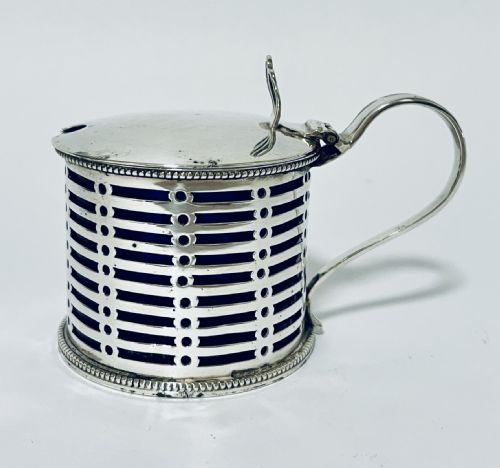
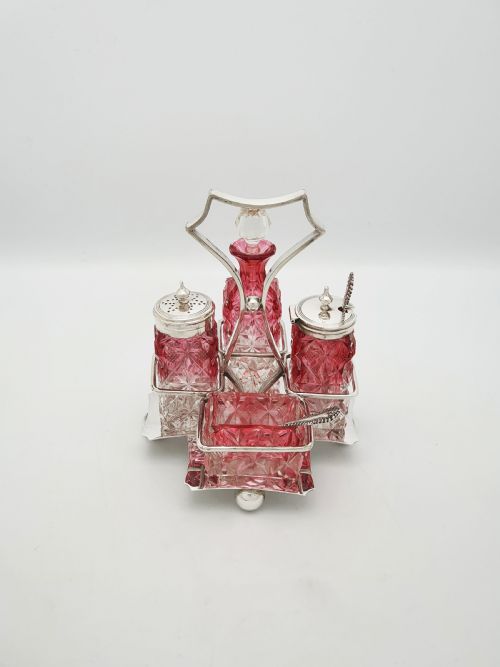


Silver Condiment Caddy
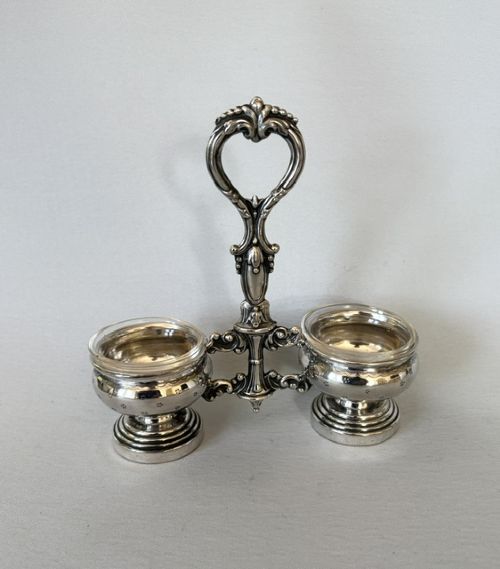
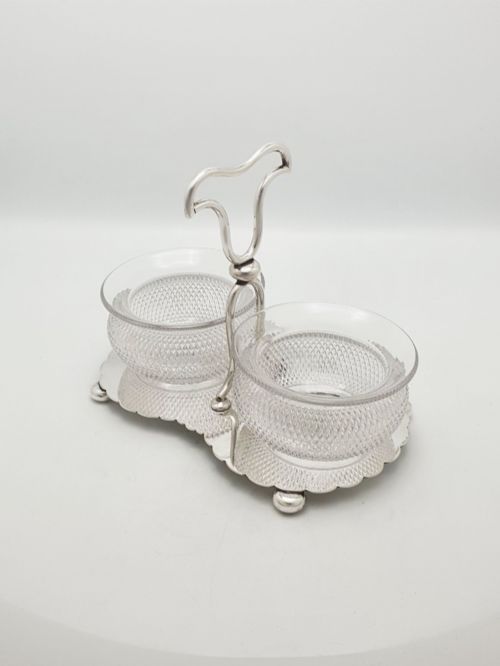
These silver condiment caddy pieces organise table service with glass and metal vessels, offering period dining function.
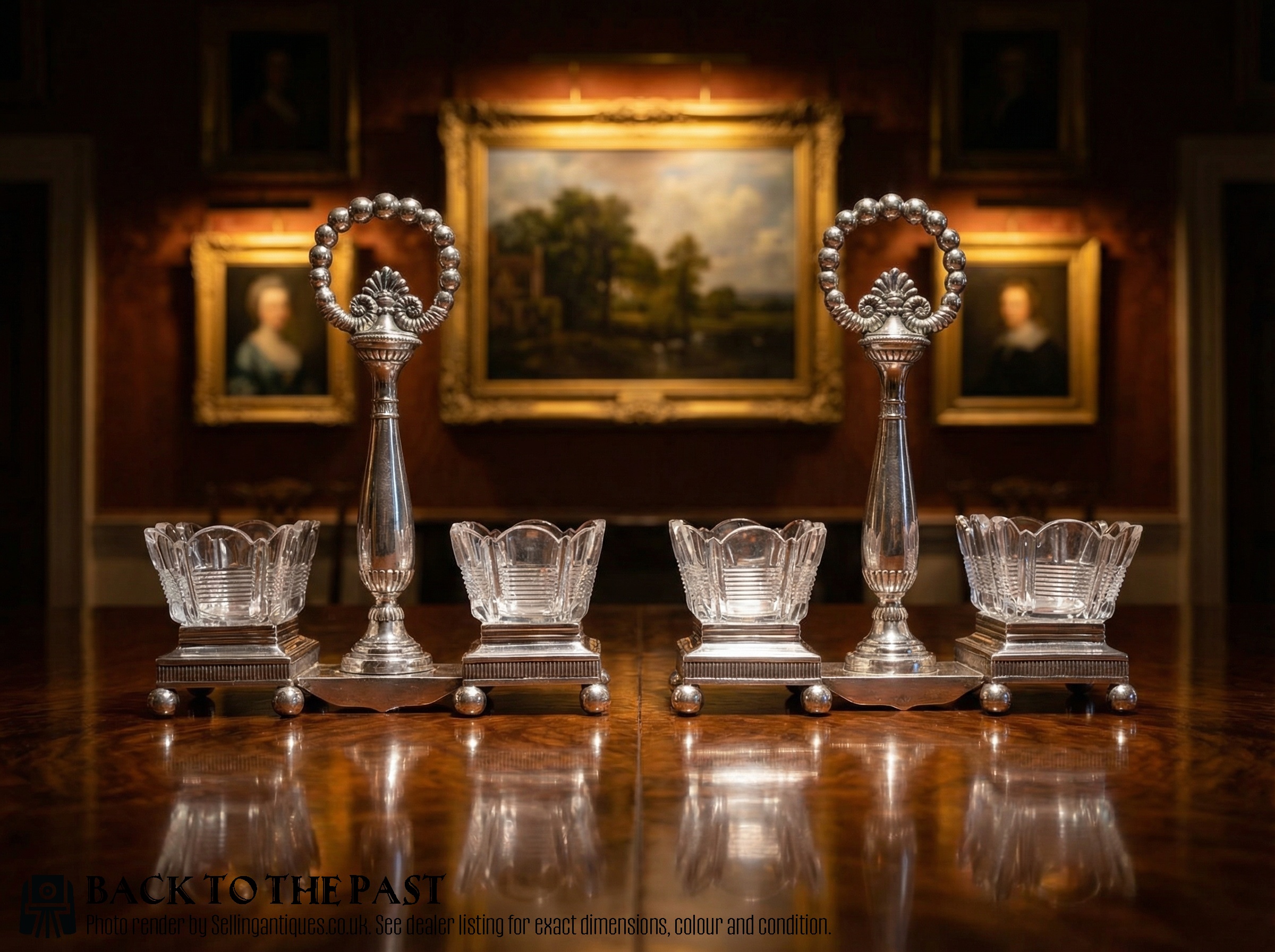
Silver Condiment Caddy
A silver condiment caddy brings together small vessels for mustard, pepper, oil and vinegar into a single tabletop stand. Buyers encounter Edwardian silver plated stands alongside Victorian designs and Georgian pieces.
The selections span cruet sets with multiple bottles, standalone mustard pots, strawberry dishes, and open salts. Most items on this page date from the Edwardian period and the late nineteenth century, with occasional Georgian examples.
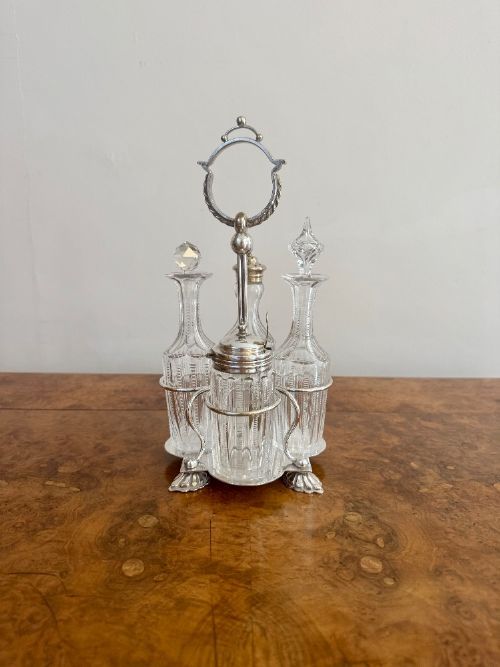
Vessels range from simple single pots to large six-bottle or eight-piece cruet sets fitted with cut glass or cranberry glass bottles. Frames take oval, heart-shaped, carriage, and double stand forms.
Materials and construction
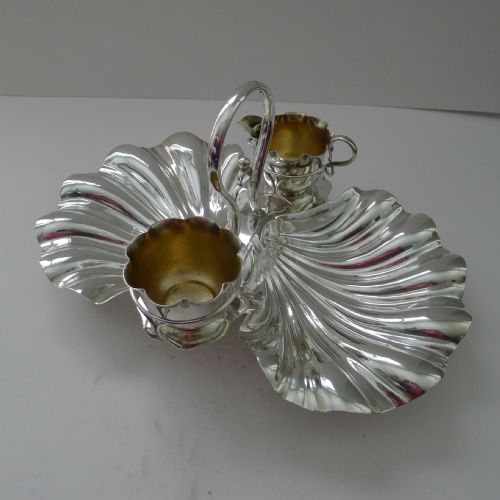
Maker workshops utilised sterling silver and silver plate, including electroplated nickel silver, often pairing metal frameworks with cut glass, cranberry glass, or vaseline glass inserts. Some interiors received a gold wash finish.
Silversmiths combined casting, piercing, and plating techniques to build sturdy stands that held removable bottles, jars, and bowls securely during table service.
The listings span from Georgian 1750 mustard pots to 1920 electroplated nickel silver stands, incorporating cranberry glass and gold wash finishes.
Assessing craftsmanship and finish
Quality rests in the weight of the silver or plate, the depth of decorative chasing, and the clarity of cut glass bottles. Maker attribution to known firms like Mappin Brothers or Daniel Arter elevates the standing of a piece.
The presence of a complete, matching set of original glass bottles alongside the metal frame distinguishes finer survivals from incomplete assemblies.
Daniel Arter·Mappin Brothers·Wade Wingfield Wilkins
The Silver Condiment Caddy Glossary
- Cruet set
- A fitted stand holding multiple glass bottles or castors for table condiments such as oil, vinegar, salt, and pepper.
- Silver plate
- A base metal, commonly nickel silver, coated with a thin layer of genuine silver through electroplating.
- Cranberry glass
- A rich pinkish-red glass produced by adding gold chloride to the molten batch during nineteenth-century manufacturing.
- Gold wash
- A thin layer of gold applied to the interior of silver mustard pots and salt cellars to prevent corrosion from acidic condiments.
- Castor
- A small shaker with a pierced top used for sprinkling sugar or dry spices over food.
Silver Condiment Caddy: Frequently Asked Questions
What is a silver condiment caddy?
A silver condiment caddy is a metal stand designed to hold bottles, pots, and jars for table seasonings and sauces. These assemblies kept mustard, vinegar, salt, and pepper organised together during meals.
Most examples use silver plate over a base metal, paired with cut glass or coloured glass vessels. They range from single pots to large multi-bottle frames.
How were these sets used?
These sets sat in the centre of the dining table so guests could season their food during meals. Individual pots held prepared mustards, while tall bottles dispensed liquids.
Carriage cruets and handled stands allowed servants to pass the entire collection around the table easily. Open salts and relish dishes held specific accompaniments for courses.
How do I date an Edwardian cruet?
Edwardian cruet sets date from the reign of King Edward VII between 1901 and 1910. They often feature bright silver plate and crisp cut glass designs.
Makers working in this era combined traditional Victorian forms with lighter, cleaner Edwardian aesthetics. Hallmarks and registration numbers on the metal help confirm the exact decade.
What glass types appear in these sets?
Cruet sets frequently incorporate clear cut glass bottles that catch the light on the dining table. Coloured glass also appears, including cranberry glass and vaseline glass.
Some stands feature matching glass bowls or relish dishes fitted directly into the silver plated frames. Original matching glass adds to the completeness of the object.
Are all condiment stands made of solid silver?
Many surviving condiment stands are made from silver plate or electroplated nickel silver rather than solid sterling silver. Manufacturers adopted plating techniques to produce decorative tableware accessible to a wider market.
Solid sterling silver examples do exist, particularly among earlier Georgian and Victorian items, but plated frames dominate the later periods.