



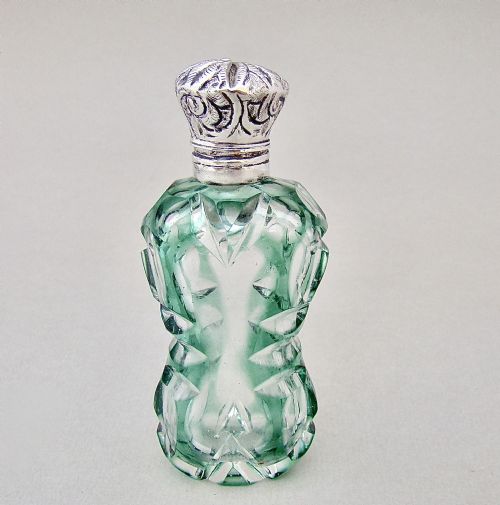
Silver Capped Glass Bottle
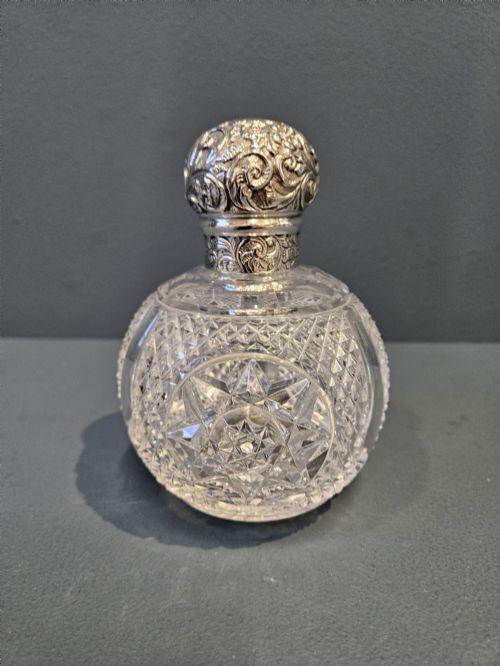
A silver capped glass bottle brings together tactile metals and coloured glass for the dressing table or pocket, offering a glimpse into nineteenth-century vanity.
Silver Capped Glass Bottle
When you search for a silver capped glass bottle, you encounter a selection spanning the Victorian and Edwardian eras, predominantly taking the form of scent and perfume bottles alongside dressing table accessories and flasks.
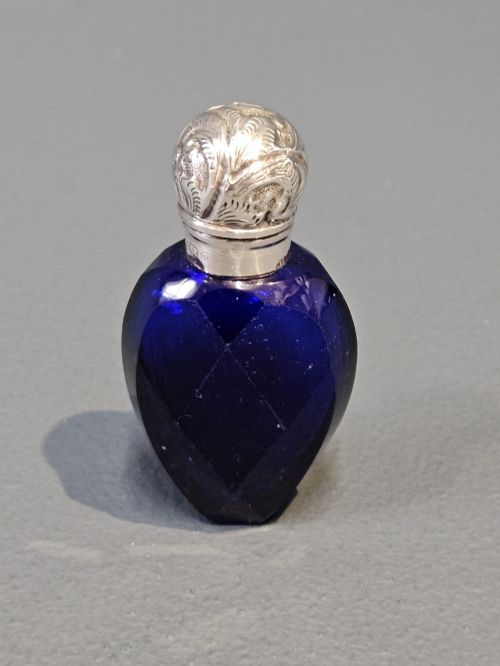
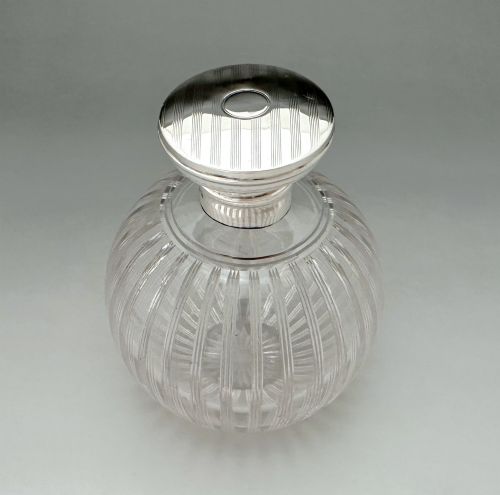
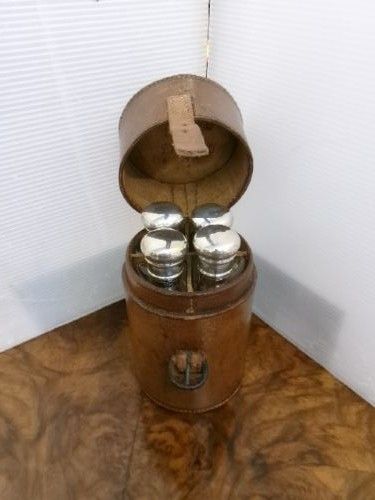
The objects on this page range from plain cut glass cylinders to coloured overlay glass vessels, frequently housed in leather cases or detailed with figural designs such as owls.
Originating largely from British and French workshops, these pieces served practical daily grooming functions for Victorians on the move or at their dressing stations.
How they were made
The glass bodies of these pieces were produced using techniques such as slicing, cutting, and layering, creating coloured overlays in cranberry, green, blue, and amethyst hues over a clear or opaque glass core.
Caps and mounts were fashioned from sterling silver or solid silver, occasionally bearing hallmarks from centres like Sheffield, and secured directly to the necks or hinged over glass stoppers.
Silver Capped Glass Bottle Retail Price Guide 2026
Typical asking prices for silver capped glass bottle among the pieces listed under this phrase on Sellingantiques today, from the lower quarter to the upper quarter. They describe what is for sale here now, not the wider market.
One determined Victorian artisan shaped a silver-capped bottle in the likeness of an owl, watching over dressing tables with glass eyes.
What varies in quality
Distinction across these bottles lies in the depth and precision of the glass cutting, alongside the complexity of the glass body, such as double-layered overlay or mercury glass.
The weight and ornamentation of the silver cap also dictate the standard, ranging from simple smooth mounts to heavily chased or figural silver work.
The Silver Capped Glass Bottle Glossary
- Overlay glass
- A technique involving layers of different coloured glass fused together, where sections are cut away to reveal the contrasting colour underneath. This method creates striking geometric or floral patterns.
- Cranberry glass
- A rich red-pink glass coloured with gold chloride, widely utilised during the Victorian period for decorative scent bottles and tableware. It yields a warm, translucent glow when held to the light.
- Sterling silver
- An alloy of silver containing 92.5 percent silver and 7.5 percent other metals, usually copper, ensuring durability for functional items like bottle caps and vanity mounts.
- Mercury glass
- A type of blown double-walled glass coated on the inside with a silver liquid solution and then sealed, producing a mirror-like reflective finish popular in the mid-nineteenth century.
- Cut glass
- Glass decorated by grinding facets or patterns into the surface using a rotating wheel, enhancing the refractive quality and weight of the vessel.
Silver Capped Glass Bottle: Frequently Asked Questions
How do I date my bottle?
Dating relies on a combination of silver hallmarks, the style of the glass cutting, and the overall form of the vessel. Victorian and Edwardian examples often feature assay office marks on the silver cap that pinpoint the exact year of manufacture.
Changes in glass colours, such as the popularity of cranberry and opaline during the mid to late nineteenth century, also provide a reliable guide to the period of production.
Were these bottles meant for travel?
Many of these pieces were specifically designed for travel, appearing alongside leather cases or fitted inside travelling vanity sets. Secure silver caps and inner stoppers prevented spills while moving between locations.
Smaller miniature flasks and scent bottles fit easily into pockets or reticules, making them practical accessories for nineteenth-century life.
What is overlay glass?
Overlay glass consists of two or more distinct layers of glass fused together during the blowing process. Artisans then cut through the outer layer to expose the contrasting colour beneath.
This technique required immense skill to ensure even thickness and precise patterns across curved bottle surfaces.
How should I clean the silver cap?
Cleaning requires a soft cloth and gentle silver polish, taking care to avoid contact with the glass body or any historic interior stoppers. Traditional creams applied sparingly preserve the chased details without removing the underlying metal.
Frequent light dusting prevents tarnish from accumulating in the recessed areas of the silver mount.