

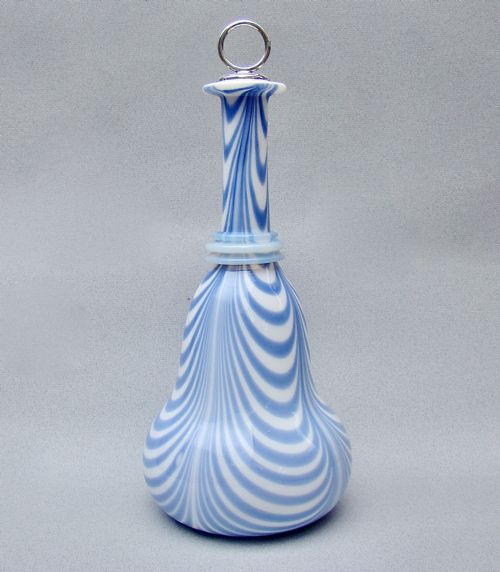


Sheffield Silver Bottle
Sheffield silver bottle refers to pieces of silver plate, sterling silver, and Old Sheffield plate produced in forms like wine coasters, decanters, and scent bottles.
Sheffield Silver Bottle
A sheffield silver bottle search brings up functional tablewares and personal accessories, predominantly wine coasters, decanter sets, wine coolers, perfume funnels, and scent bottles. These items serve dining and dressing table uses, reflecting the industrial output of Sheffield from the Georgian period through the Victorian era and into the later twentieth century.
Originating largely from the nineteenth century, including George III, Regency, William IV, and Victorian periods, the selection also includes later twentieth-century items such as Elizabeth II pieces. Makers represented include firms like Matthew Boulton, John and Thomas Settle, Nathaniel Smith and Co, Walker and Hall, and Simon Rosenau.
Materials and technique
Manufacturing methods combine metalwork with glassblowing and woodwork, utilising solid silver, silver plate, and Old Sheffield plate fused over a copper base. Many bottle coasters and stands incorporate turned wood or mahogany bases to support the weight of glass decanters and wine bottles.
Decorative techniques involve applied borders, armorial engravings, and cast coats of arms on metal surfaces. Glass components feature cut glass, cranberry glass, and Nailsea glass, paired with silver mounts, collars, and hinged lids.
Sheffield Silver Bottle Retail Price Guide 2026
Typical asking prices for sheffield silver bottle among the pieces listed under this phrase on Sellingantiques today, from the lower quarter to the upper quarter. They describe what is for sale here now, not the wider market.
Even dining tables needed parking spaces once upon a time, thoughtfully provided by heavy mahogany-bottomed coasters.
Variations in quality
Quality is determined by the crispness of chased or applied ornamentation, the integrity of the fused silver layer over the copper base in Old Sheffield plate, and the weight of solid sterling silver. Pieces featuring coats of arms or armorial engravings often demonstrate higher craftsmanship.
The synergy between the metalwork and fitted elements, such as turned mahogany bases, glass inserts, and securely hinged perfume funnel or scent bottle lids, distinguishes standard production from finer workshop outputs.
Matthew Boulton·John and Thomas Settle·Nathaniel Smith and Co·Walker and Hall·Simon Rosenau
The Sheffield Silver Bottle Glossary
- Old Sheffield plate
- A composite material made by fusing a thin sheet of silver to a thicker copper ingot, developed in the eighteenth century. This technique creates durable tableware with the appearance of solid silver.
- Wine coaster
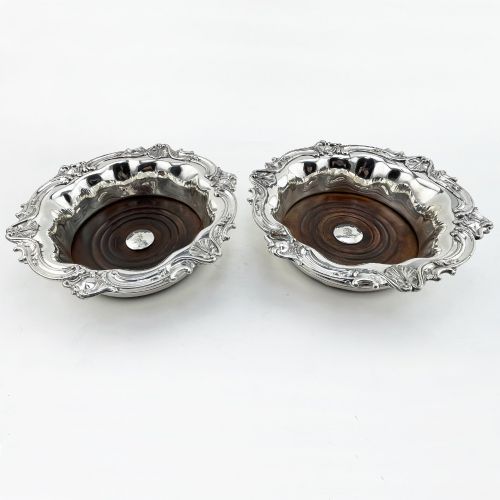
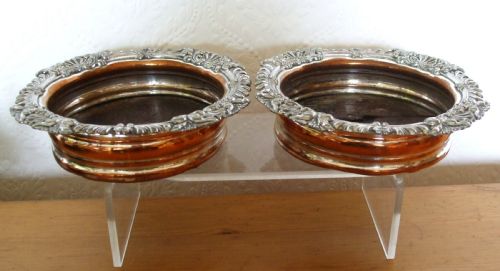
- A small circular stand with a raised rim, designed to hold a wine bottle on the dining table. They frequently feature wooden bases and felt linings to protect polished dining surfaces.
- Perfume funnel
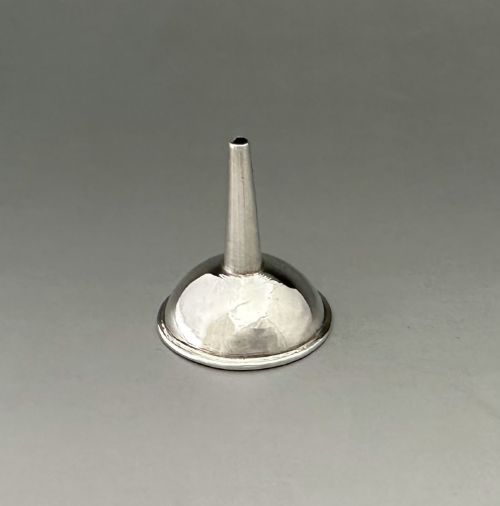
- A small funnel used historically for transferring scent into narrow perfume bottles. They often include a removable fine mesh strainer.
- Decanter cruet
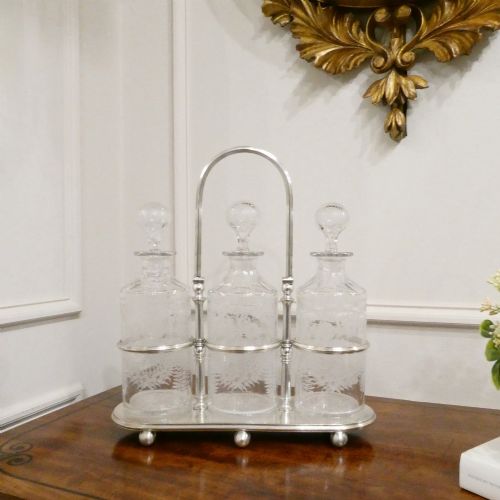
- A fitted frame holding multiple decanters or bottles together for table service. These stands often incorporate carrying handles and secure ring mounts.
- Armorial
- Displaying a coat of arms or heraldic crest engraved onto the metal surface. These personalisations indicate original commission for landed or aristocratic households.
Sheffield Silver Bottle: Frequently Asked Questions
What is Old Sheffield plate?
Old Sheffield plate is an early fusion material created by melting a sheet of silver onto a copper core. This method produced tableware that predates modern electroplating.
The technique allows the silver layer to wear down naturally over long periods of use, occasionally revealing the reddish copper underneath on high points.
How were wine coasters used?
Wine coasters protected polished dining tables from moisture rings and drips left by wine bottles during formal meals. Guests slid them across the mahogany surface after dinner.
Many examples feature turned wooden bases and green baize linings to facilitate smooth movement and cushion heavy glass decanters.
How do I date these pieces?
Dating relies on assay office hallmarks for solid silver items, recording specific year letters and town marks like the Sheffield crown. Stylistic indicators such as Georgian, Regency, or Victorian design motifs help narrow down unmarked pieces.
Construction details, including the presence of fused copper edges on Old Sheffield plate, assist in separating eighteenth and nineteenth-century items from later twentieth-century productions.
What are decanter cruets?
Decanter cruets are fitted metal stands designed to hold multiple glass bottles or decanters securely in one portable frame. They allowed hosts to serve several wines or vinegars simultaneously.
The metal frameworks often incorporate carrying handles and secure ring dividers tailored to specific bottle sizes.