
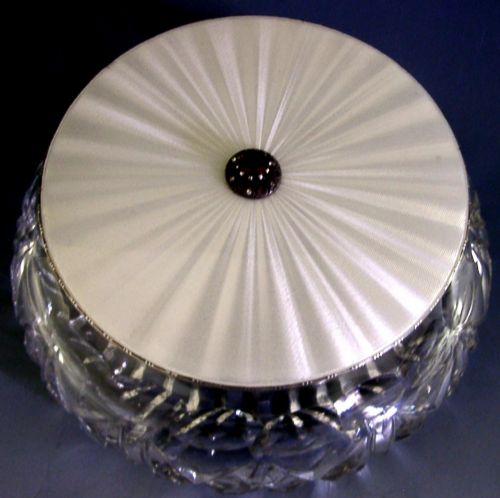


Cut Crystal Vanity Jar
A cut crystal vanity jar brings tactile weight and bright reflection to a dressing table.
Cut Crystal Vanity Jar
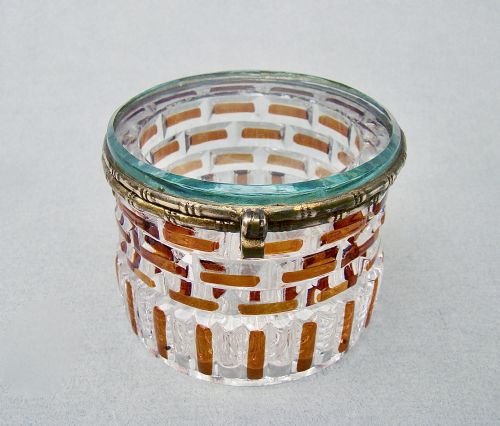
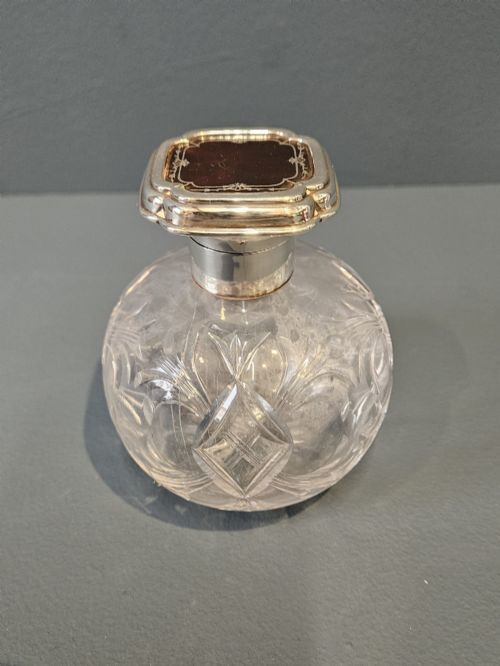
A cut crystal vanity jar is a dressing table container designed for powders, creams, and perfumes, featuring heavily faceted glass paired with precious metal lids. The pieces available span from the Victorian and Edwardian eras through to the Art Deco period, taking forms such as round pots, heart-shaped boxes, and tall cologne bottles.
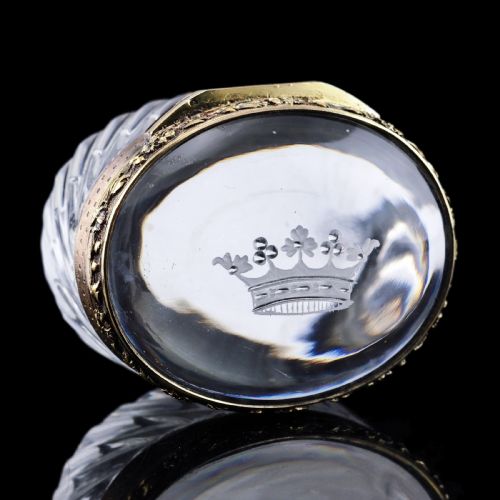
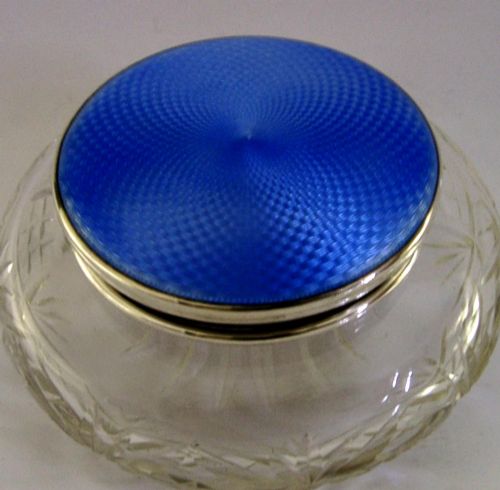
Most examples combine thick cut crystal bases with solid sterling silver mounts, often bearing hallmarks from Birmingham or Sheffield. Lids frequently incorporate coloured enamel, tortoiseshell with silver pique inlay, or intricate embossed motifs like cherubs and floral garlands.
The assortment on this page reflects domestic dressing routines of the nineteenth and early twentieth centuries, shifting from ornate Victorian styles to geometric Art Deco designs.
How they were made
The glass bodies were produced by blowing heavy crystal into moulds and then hand-cutting deep geometric facets across the surface to catch the light. Workshops used lead crystal to achieve clarity and weight, allowing the facets to refract light sharply.
Cut Crystal Vanity Jar Retail Price Guide 2026
Typical asking prices for cut crystal vanity jar among the pieces listed under this phrase on Sellingantiques today, from the lower quarter to the upper quarter. They describe what is for sale here now, not the wider market.
What varies in quality
Quality rests in the crispness of the glass cutting and the thickness of the crystal base. Superior examples exhibit deep, clean wheel-cuts with sharp edges rather than soft, moulded impressions.
The refinement of the metalwork also distinguishes better pieces, seen in substantial silver gauges, clear hallmarks, and undamaged enamel or intact tortoiseshell pique work on the lids.
Posen of Frankfurt and Berlin·Jonathan Douglas·Barnsley and Co·Henry Matthews·Asprey
The Cut Crystal Vanity Jar Glossary
- Cut Crystal
- Heavy lead glass shaped by grinding and polishing geometric patterns into the surface. This technique creates sharp facets that scatter light across the dressing table.
- Guilloche Enamel
- Decorative metalwork covered in translucent enamel over an engine-turned geometric pattern. It provides a shimmering, patterned colour beneath the glassy surface.
- Pique Inlay
- Tiny gold or silver pins pressed into tortoiseshell to form delicate floral or geometric motifs. Artisans warmed the shell to embed the metal securely.
- Hallmark
- Official stamps struck into precious metals to indicate the assay office, standard of purity, and year of manufacture. These marks help date the silver mount accurately.
- Silver Gilt
- Sterling silver that has been coated with a thin layer of gold. This treatment adds a warm, gilded finish to the interior or exterior of the metal mount.
Cut Crystal Vanity Jar: Frequently Asked Questions
What were vanity jars used for?
These jars held powders, cold creams, pins, and hair combs on nineteenth and twentieth-century dressing tables. They kept cosmetics protected from dust while displaying decorative cut crystal and silver.
Larger boxes served as trinket storage, while tall bottles held cologne or perfume for daily grooming rituals.
How do I date a silver mounted jar?
The silver mounts usually carry British hallmarking stamps indicating the assay office and a specific date letter. Comparing these hallmarks to records reveals the exact year the metal lid was made.
Stylistic cues, such as Edwardian garland motifs or Art Deco geometric enamel, help corroborate the period of manufacture.
Are tortoiseshell lids fragile?
Tortoiseshell requires gentle care because dry environments can cause the material to warp or crack over time. The inlaid silver pique work can also loosen if exposed to moisture.
Keeping these pieces away from direct sunlight and extreme temperature changes preserves the organic material.
How should I clean cut crystal?
Wash the crystal base in warm, soapy water using a soft cloth to remove dust from the deep facets. Avoid submerging silver and tortoiseshell lids, wiping them with a dry cloth instead.
Gentle cleaning prevents damage to the delicate glues holding the glass collars and metal mounts together.