


Silver Bowl Set
A silver bowl set brings matched elegance to the table, pairing polished metal with fitted glass, ceramic or horn.
Silver Bowl Set
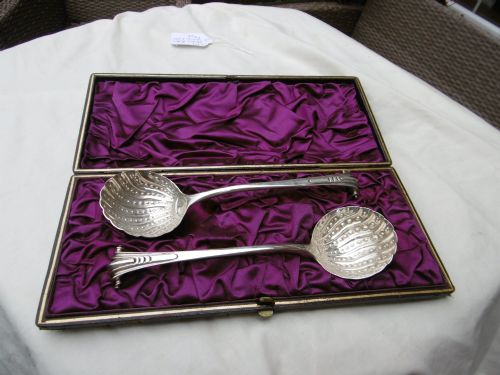
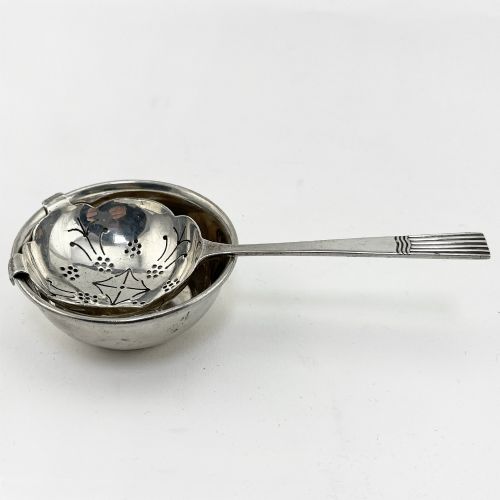
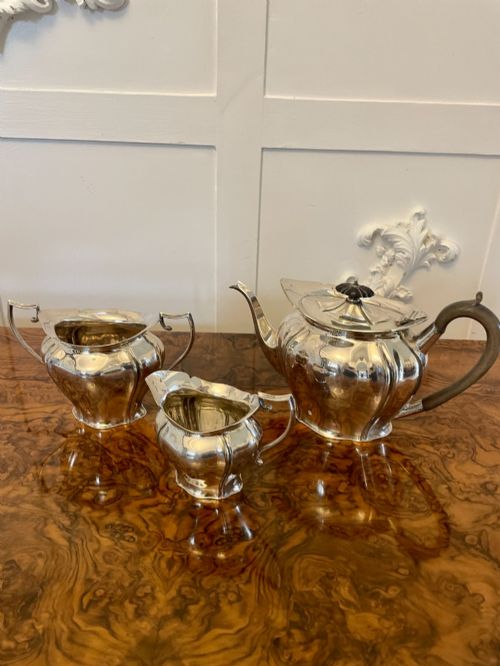
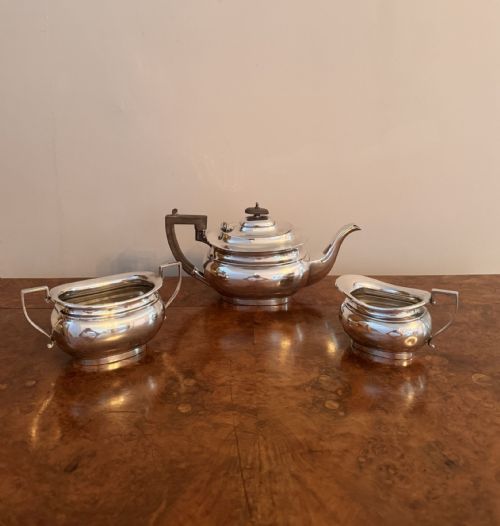
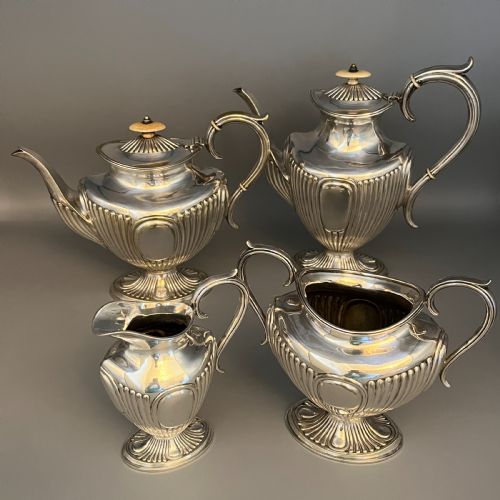
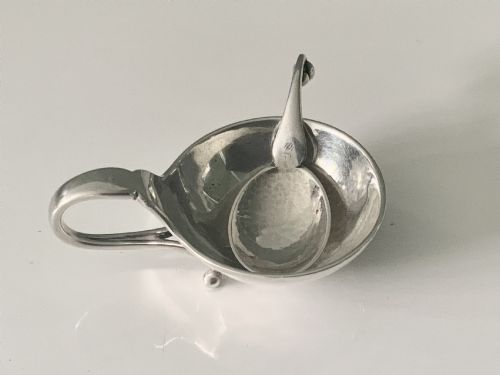
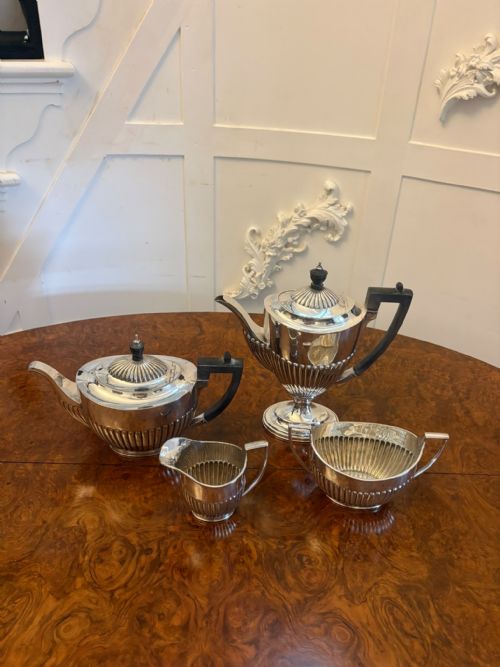
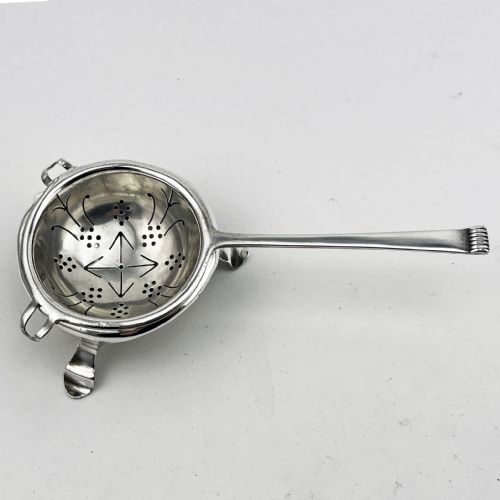
A silver bowl set comprises matching or coordinated vessels designed for the table, often accompanied by matching spoons, tongs or condiment stands. When you search for a silver bowl set, you will encounter diverse configurations ranging from Edwardian silver-plated tea services and Victorian sugar bowls with sifter spoons to cased butter dishes and pairs of salt cellars.
The selections span several decades of design, drawing heavily on Victorian and Edwardian aesthetics alongside earlier Georgian and William IV pieces. Many sets include utilitarian vessels paired with fitted glass liners, leather or velvet-lined presentation cases, and companion items like cream jugs or condiment spoons.
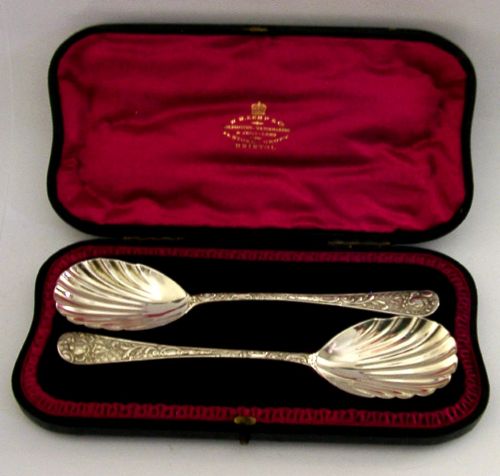
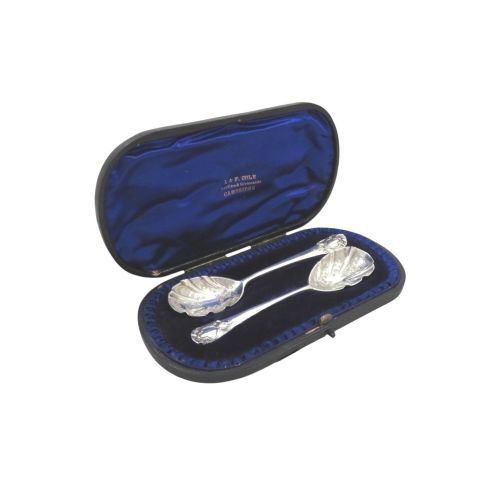
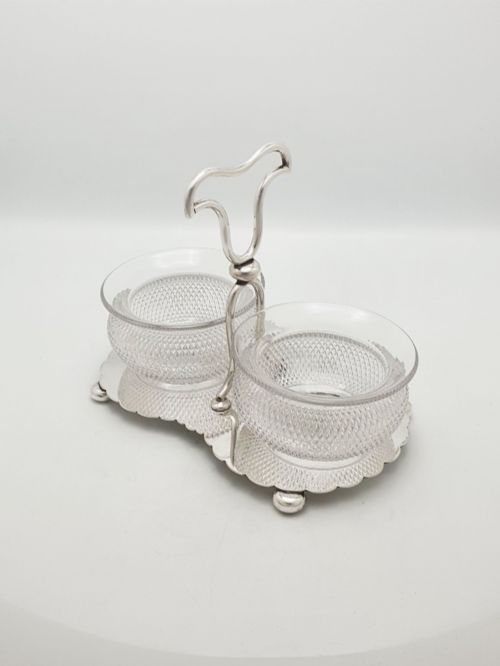
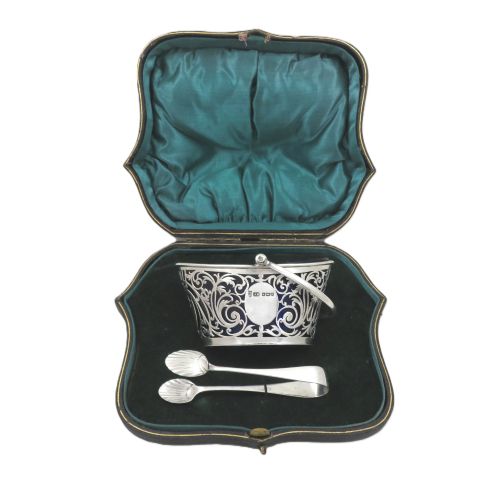
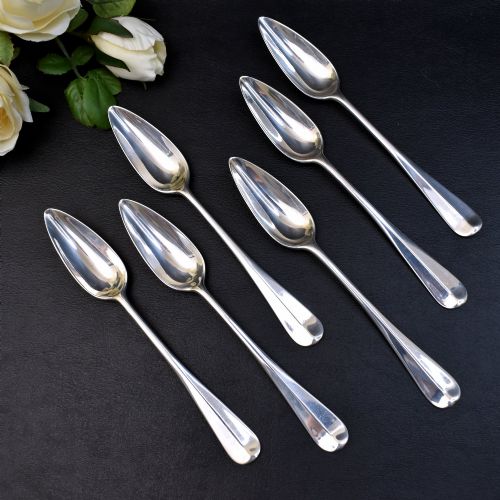
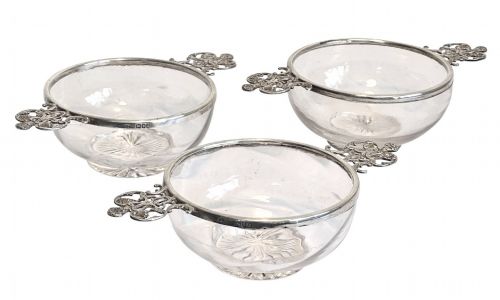
While large tea and coffee sets dominate the plated categories, smaller cased groups involve sterling silver sugar baskets, berry spoons, and sets of glass bowls with silver mounts. These groupings reflect the formal dining and entertaining habits of the nineteenth and early twentieth centuries.
Materials and construction methods
Craftsmen utilised sterling silver, silver plate, and Sheffield plate as primary metal bases, often enhancing pieces with silver gilt or intricate engraving. Many hollowware items and condiment stands incorporate blown glass, cranberry glass, ceramic earthenware, or carved horn mounted in metal rims.
Presentation and storage containers rely on wooden frames finished with leather, leatherette, velvet, or ebonised wood interiors. Metalworking techniques combined traditional hammering, casting, and piercing with electroplating methods popularised during the Victorian and Edwardian periods.
Silver Bowl Set Retail Price Guide 2026
Typical asking prices for silver bowl set among the pieces listed under this phrase on Sellingantiques today, from the lower quarter to the upper quarter. They describe what is for sale here now, not the wider market.
Listings feature items spanning from the early nineteenth century through the mid-twentieth century, incorporating sterling silver, silver plate, and glass.
Markers of distinction and build
Superior examples demonstrate crisp chasing, well-defined hallmarks, and substantial metal weight rather than thin or overly worn plating. The integrity of fitted elements, such as undamaged glass liners and intact presentation boxes lined with original velvet, elevates a set's desirability.
Maker attribution plays a role in distinction, with recognised workshops delivering superior finishing on handles, spouts, and mounts. Balanced proportions within multi-piece tea services or matched condiment sets indicate deliberate design cohesion.
Joseph Rodgers & Sons·Walker and Hall·Hamilton & Inches·William Comyns·The Goldsmiths & Silversmiths·Frank Butler·John McDonald·Georg Jensen
The Silver Bowl Set Glossary
- Sterling silver
- An alloy containing a high proportion of pure silver combined with other metals to ensure durability for tableware.
- Silver plate
- A base metal layer coated with a thin layer of pure silver, common in large nineteenth-century tea services.
- Silver gilt
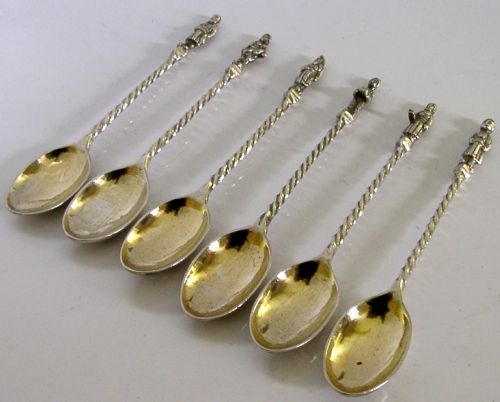
- Silver that has been coated with a thin layer of gold on its interior or exterior surfaces, often seen on sugar bowls and berry spoons.
- Condiment stand
- A fitted metal frame designed to hold multiple small bowls or cruets for sauces, jams, or spices during a meal.
- Hallmark
- A series of official stamps applied to precious metals indicating the maker, assay office, and year of testing.
Silver Bowl Set: Frequently Asked Questions
What items typically form a tea set?
Tea services usually comprise a teapot, a matching sugar bowl, and a cream jug, sometimes expanded to include coffee pots and kettles on stands.
These pieces were manufactured as a cohesive unit to maintain uniform style across the formal tea table.
How were salt cellars used?
Open salt cellars held grains of salt at the dining table, into which guests dipped small spoons or pinched the seasoning directly onto their food.
They frequently came in matched pairs or sets of four, often fitted with cobalt blue glass liners to protect the silver from corrosion.
Are cased sets meant for display?
Presentation boxes lined with velvet or silk were designed to protect delicate items like butter dishes, christening sets, and berry spoons when not in use.
Collectors often display these items alongside their fitted cases to preserve the historical context and integrity of the set.
How do I identify silver plate from solid silver?
Solid sterling items carry official hallmarks indicating purity, while silver-plated pieces generally feature maker marks without standard sterling stamps.
Over time, worn silver plate may reveal the base metal underneath, particularly on high-friction areas like rims and handles.