



Silver Bonbon Basket
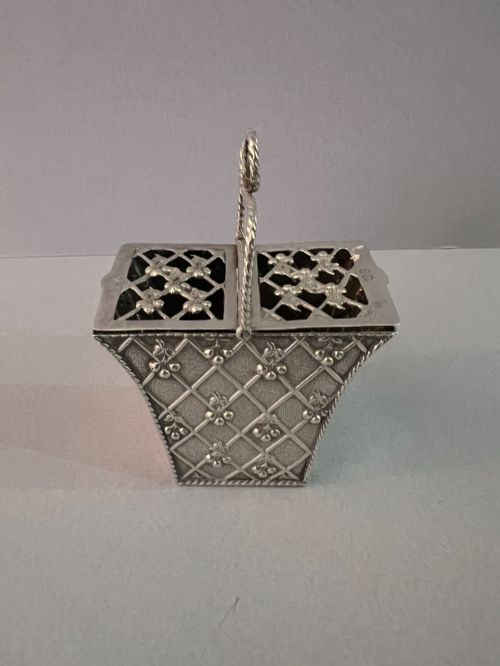
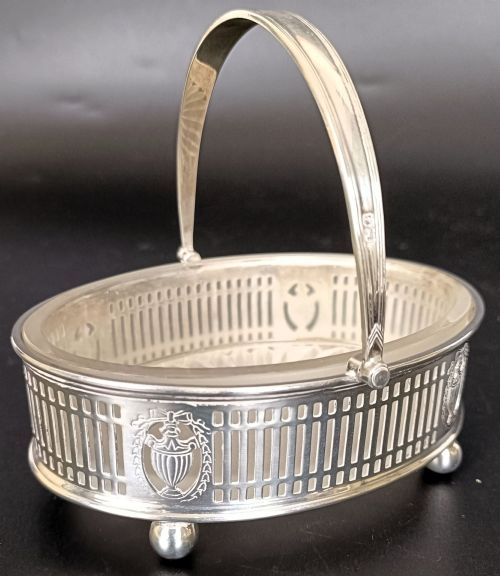
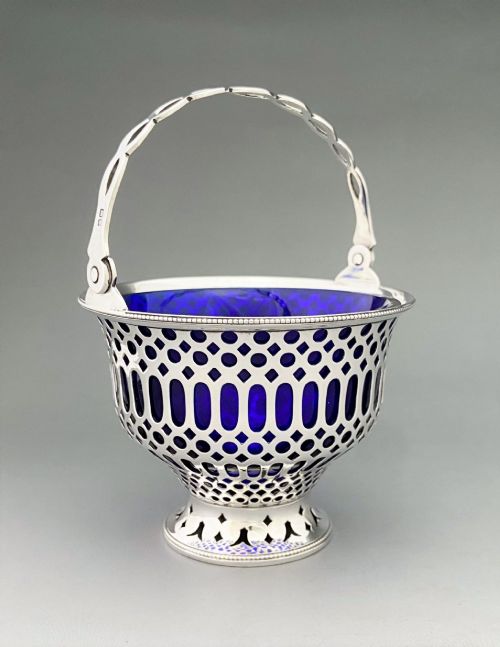
A silver bonbon basket brings delicate pierced metalwork and coloured glass liners to a table, combining function with decorative grace.
Silver Bonbon Basket
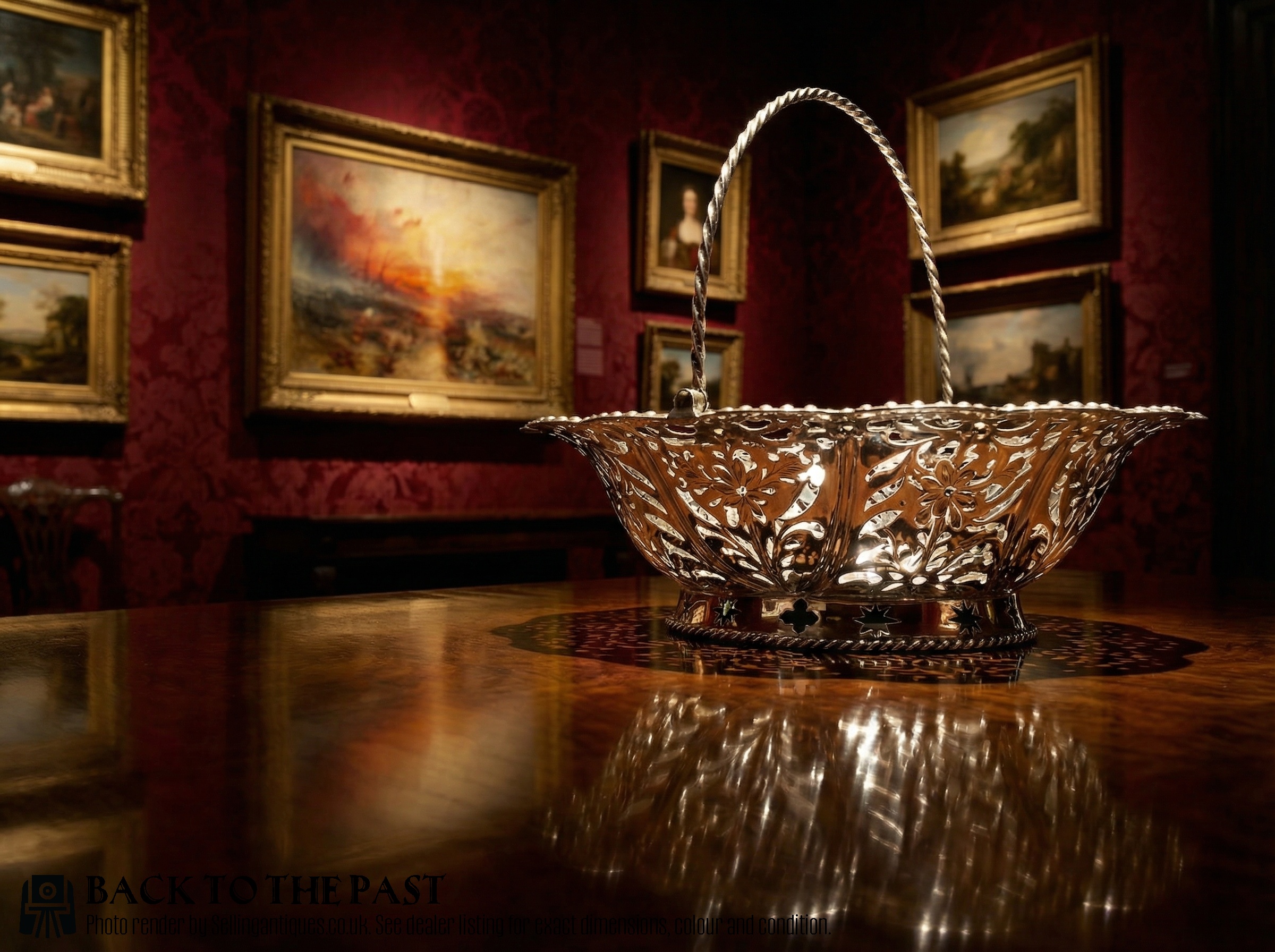
A silver bonbon basket is typically encountered in forms ranging from small Victorian sweetmeat dishes to larger Edwardian and Georgian swing-handled centrepieces. The pieces span periods from the eighteenth century through the Victorian and Edwardian eras up to the interwar decades, showing considerable evolution in tableware design.
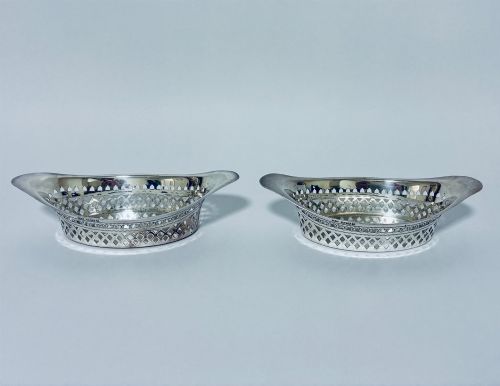
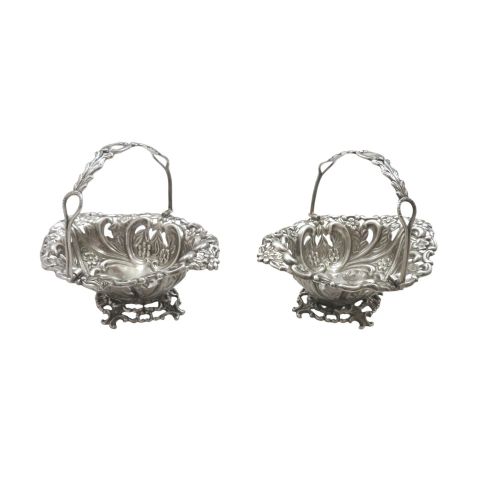
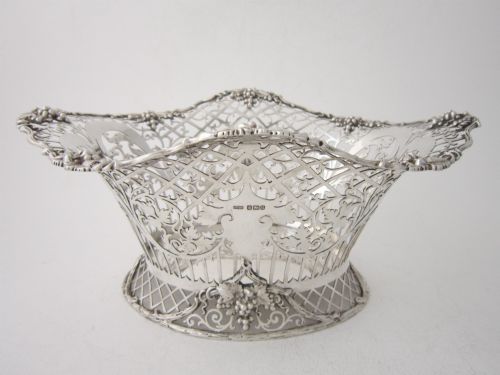
Buyers searching this phrase find objects designed specifically to hold sweets, sugar, or small fruits, often accompanied by coloured glass inserts. The selection encompasses both solid sterling silver and silver plate, alongside variations such as footed bowls and pierced oval serving dishes.
Materials and Technique
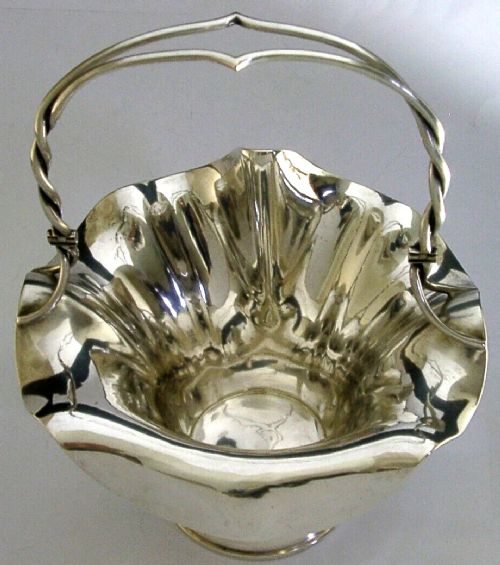
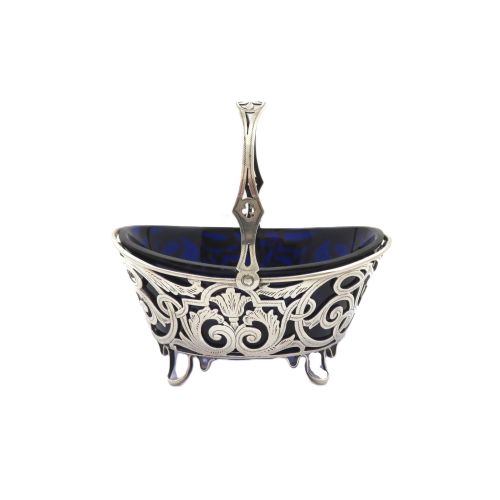
Makers utilised sterling silver and silver plate, frequently shaping them through piercing, embossing, and lattice work to create lightweight yet ornate frameworks. Many examples incorporate swing handles and cast floral or reeded details.
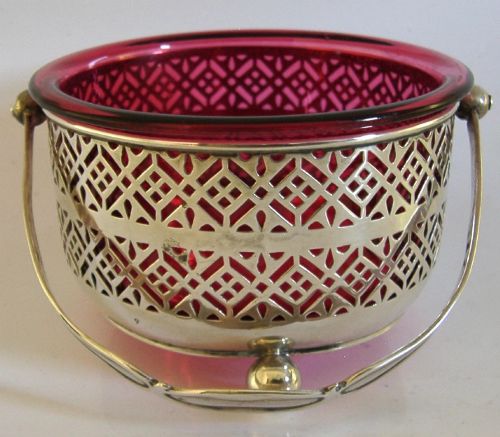
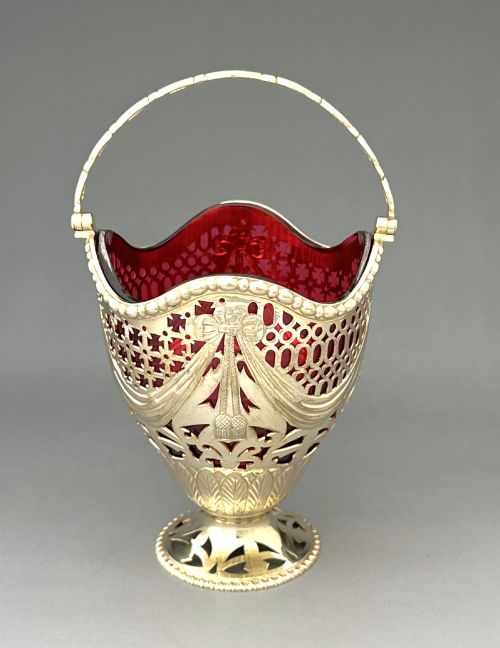
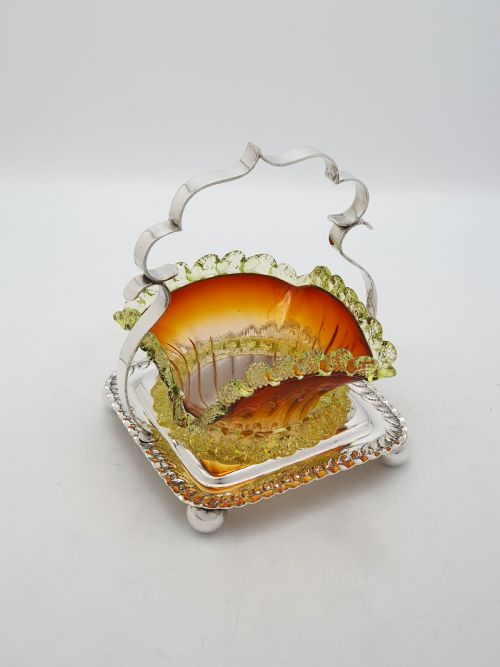
The metal structures are frequently paired with blown glass liners in cranberry, ruby, amber, vaseline, or blue hues, held securely within the pierced or openwork metal baskets.
Silver Bonbon Basket Retail Price Guide 2026
Typical asking prices for silver bonbon basket among the pieces listed under this phrase on Sellingantiques today, from the lower quarter to the upper quarter. They describe what is for sale here now, not the wider market.
Listings feature periods spanning from eighteenth-century Georgian designs through Victorian and Edwardian eras to the 1930s.
Assessing Quality
Quality rests upon the crispness of the piercing, the weight of the silver, and the harmony between the metal basket and its coloured glass liner. Substantial weight, such as heavy solid silver construction, distinguishes more robust pieces from lighter equivalents.
The refinement of hand-embossed detailing and the complexity of the lattice or wickerwork execution also set finer examples apart from simpler production items.
Thomas Bradbury·Fenton Brothers·James Deakin & Sons·William Bond·Martin Hall·Roberts and Belk·W M F·Alexander Clark·Charles Stuart Harris·Adie Bros.
The Silver Bonbon Basket Glossary
- Bonbon dish
- A small vessel designed to hold sweets or confections. These often feature decorative openwork or matching glass liners.
- Swing handle
- A movable arched handle attached to the rim of a basket. This feature allows the handle to lie flat or pivot upright.
- Pierced work
- Metal decorated by cutting patterns through the surface. It creates intricate lattice and openwork designs.
- Silver gilt
- Silver covered with a thin layer of gold on its surface. This technique produces a rich golden interior finish inside the basket.
- Sweetmeat basket
- A historical term for a small container holding preserved fruits or sweet delicacies. They frequently date from the Georgian period onward.
Silver Bonbon Basket: Frequently Asked Questions
What were silver bonbon baskets used for?
These baskets served during formal dining to hold small confections, sweetmeats, or sugar lumps on the table. Guests would help themselves from the central vessel during dessert courses.
Over time, their decorative appeal matched their utility, leading many households to display them empty or filled with potpourri as ornamental table centerpieces.
How do I care for silver baskets with glass liners?
Remove the glass liner from the metal frame before cleaning to prevent moisture becoming trapped between the surfaces. Wash the glass gently in warm soapy water and dry thoroughly.
Polish the silver frame with a soft cloth and a suitable silver cleaner, avoiding abrasive substances that might damage pierced details or silver gilt surfaces.
How do I distinguish Victorian pieces from Edwardian ones?
Victorian examples often display heavier cast floral handles, dense embossing, and rich ornamentation typical of nineteenth-century design tastes. Their hallmarks will indicate the specific year of assay during the reign of Queen Victoria.
Edwardian pieces tend to favour lighter Neoclassical Revival styles, refined piercing, and symmetrical lattice work produced in the opening decade of the twentieth century.