




Silver Baby Beaker
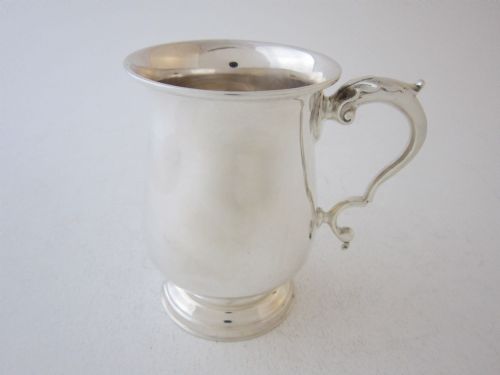
These silver baby beaker pieces are traditional christening vessels forged in sterling silver, designed to mark a child's early milestone with enduring metal.
Silver Baby Beaker
You are most likely to meet sterling silver examples featuring engraved floral motifs, rococo scroll handles, or baluster forms. Some pieces originate from Birmingham, Chester, or Sheffield, whilst others arrive complete with fitted presentation boxes lined in silk and leather.
How they were made
Silversmiths utilised sterling silver and solid silver to shape these drinking vessels, often applying a silver gilt interior to protect the metal from acidic liquids. Artisans shaped the bodies into cylindrical or baluster profiles, attaching cast handles with secure soldered joints.
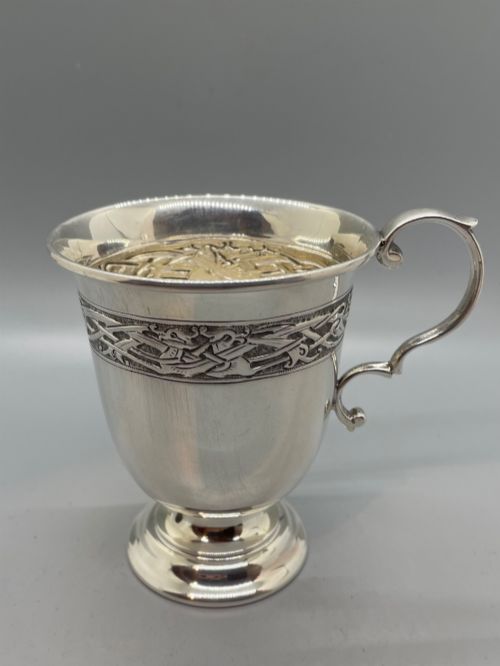
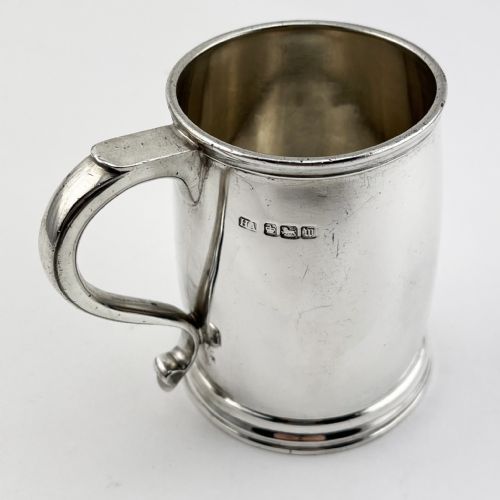
Decoration relied on manual techniques such as floral embossing and surface engraving to pattern the exterior walls. Hallmarks stamped directly into the metal recorded the assay office, standard, and date letter of production.
Listings feature sterling silver and solid silver pieces spanning the Victorian, Edwardian, and George V periods, alongside mid-century British examples.
What varies in quality
The standard of execution depends on the depth and crispness of the hand-engraved or embossed ornamentation across the vessel wall. Pieces displaying fluid rococo scroll handles and well-proportioned baluster forms demonstrate superior silversmithing skill compared to plain variants.
The presence of an original fitted box lined with silk and leather elevates a piece, particularly when associated with a notable maker such as Tiffany & Co or R E Stone. Metal thickness and the clarity of the hallmarked stamps further distinguish finer examples.
Tiffany & Co·R E Stone
The Silver Baby Beaker Glossary
- Baluster
- A cylindrical form that swells gently towards the base, giving the vessel a sturdy and balanced silhouette. This shape appears frequently in Victorian and Edwardian christening mugs.
- Silver Gilt
- Silver that has been coated with a thin layer of gold on its interior surface. This application provides a decorative contrast and protects the silver from tarnishing when in contact with liquids.
- Hallmark
- A series of official marks stamped into precious metal to indicate the purity standard, the assay office of origin, and the year of manufacture. These stamps allow accurate dating of antique silver.
- Tankard
- A tall drinking vessel featuring a single handle and a straight or slightly tapering cylindrical body. Antique examples often stand on a stepped or moulded foot ring.
Silver Baby Beaker: Frequently Asked Questions
What were silver baby beakers used for?
These vessels served as traditional christening gifts presented to infants by godparents or family members to mark their naming ceremony. Families kept them as keepsakes rather than everyday tableware, though some were used for milk or water during childhood.
Over generations, the vessels became family heirlooms, often engraved with the child's initials, birth date, or christening details to record the occasion permanently.
How do I clean antique silver?
Maintain the surface using a soft microfibre cloth and a specialist silver polish designed to remove tarnish gently without abrading the metal. Avoid harsh chemical dips, which can strip the darker oxidation from engraved lines and damage delicate hallmarks.
Store the vessel in a dry environment away from direct sunlight, and if the piece includes a fitted leather and silk box, keep it protected inside to preserve the lining.
How do I date an antique silver mug?
Examine the hallmarks stamped into the metal, which typically include a leopard head, anchor, crown, or other assay office symbols paired with a specific letter code for the year. Stylistic clues such as floral embossing or rococo scroll handles also help narrow the manufacturing period.
Comparing the shape, such as a baluster form versus a straight-sided tankard, aligns the piece with Victorian, Edwardian, or George V design trends.