


Silver Agate Pin
A silver agate pin brings together polished hardstones and sturdy metal, offering a wearable piece of Victorian craftsmanship that collectors prize.
Defining the silver agate pin
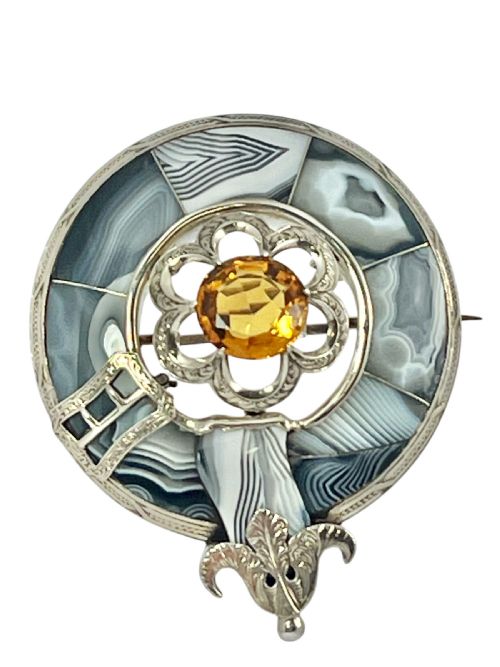
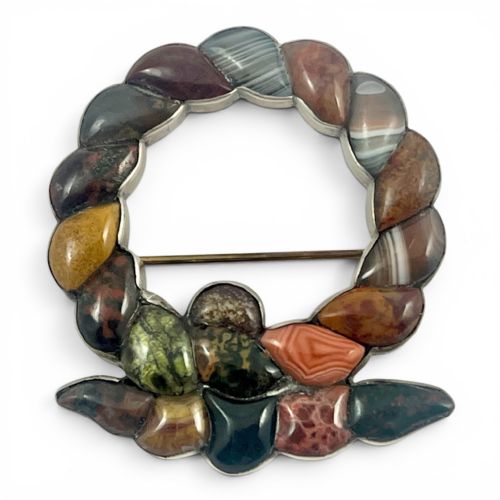
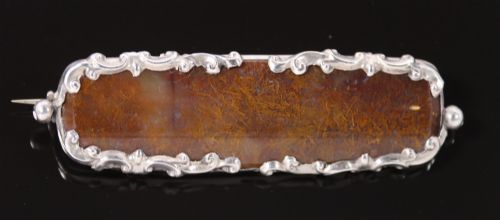
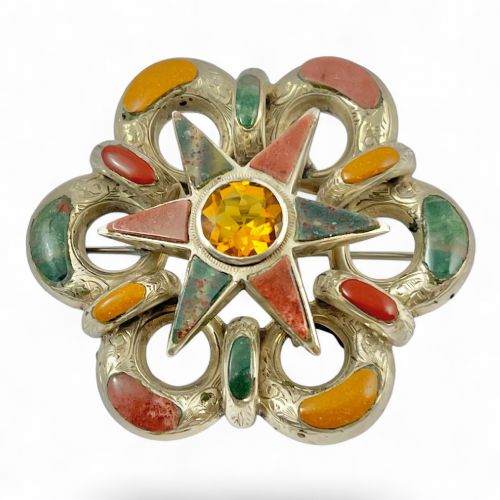
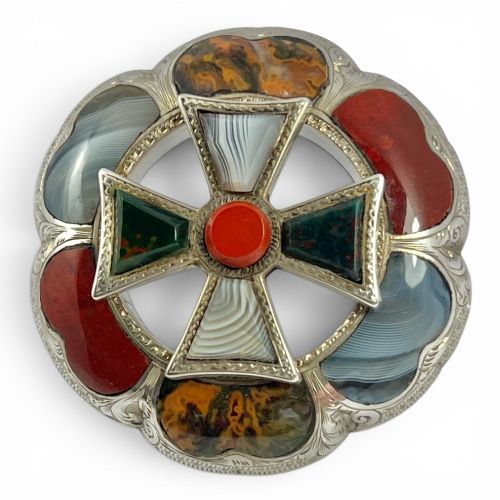
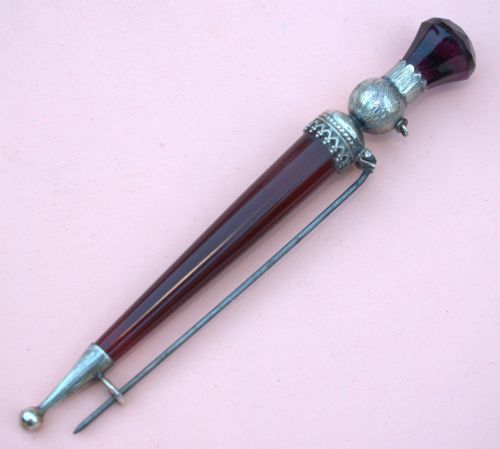
A silver agate pin combines a metal mount with a polished hardstone specimen, often taking the form of a brooch or kilt pin. These ornaments draw on Victorian Scottish Revival styles, celebrating traditional forms through detailed silverwork.
The pieces appearing here most frequently belong to the Victorian era, particularly the mid-nineteenth century around 1860. Alongside standard brooches, buyers encounter specific variants like plaid brooches, stick pins, and kilt pins.
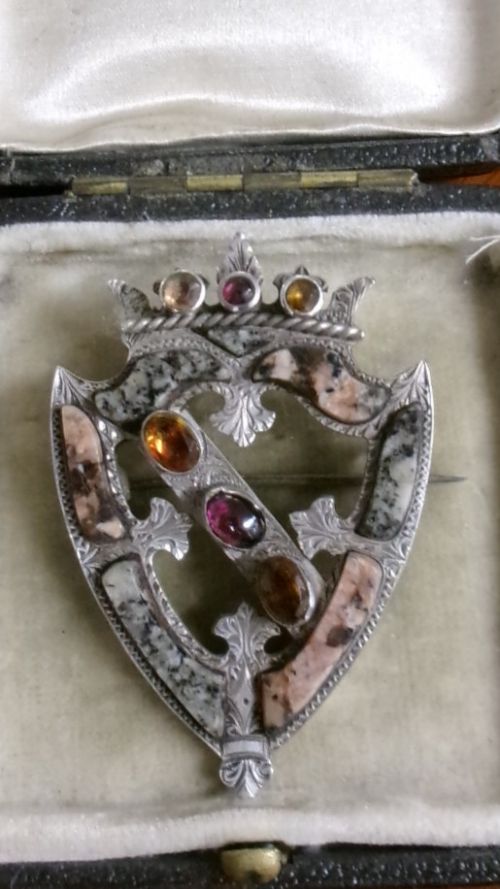
Makers utilised various stones alongside standard agate, including jasper, bloodstone, amethyst, and citrine. The designs range from simple braided knots to larger pebble arrangements and thistle motifs.
Materials and construction
Craftsmen shaped sterling silver into intricate mounts, settings, and pins to secure the hardstone specimens. The metalwork often includes traditional Celtic motifs, knotwork, and dimensional shapes like thistles.
Hardstones such as agate, jasper, and bloodstone were cut and polished to highlight their natural banding and colour variations. These stones were then fitted tightly into silver bezels, creating durable wearable items.
Retail Price Guide 2026
Typical UK retail prices for silver agate pin, calculated from the Sellingantiques database of over a million retail prices indexed since 2003. This retail price guide relies exclusively on Sellingantiques data; no external sources or auction records are used, so the figures do not describe the wider market.
Listings demonstrate that Victorian Scottish Revival pieces frequently pair sterling silver mounts with banded agate, jasper, and citrine.
Distinctions in quality
Superior examples display exceptional stone selection, where the natural banding and rich colours of the agate or jasper are centered precisely within the silver mount. The polish on the hardstone remains smooth and uninterrupted across the entire surface.
The fineness of the silverwork marks another clear separation in standard. Elaborate braided patterns, crisp engraving, and secure, well-balanced settings distinguish finer pieces from simpler, mass-produced mounts.
Cohen and Sons·Mappin and Webb
The Silver Agate Pin Glossary
- Agate
- A form of chalcedony quartz featuring distinct natural bands of colour. It forms the primary decorative stone in these pins.
- Pebble brooch
- A piece featuring multiple polished hardstones set closely together in a metal frame. This style gained immense popularity during the Victorian Scottish Revival.
- Kilt pin
- A large, sturdy pin traditionally used to fasten highland dress. These pieces often incorporate thistle designs and substantial silver mounts.
- Hardstone
- An umbrella term for semi-precious stones like agate, jasper, and bloodstone used in jewellery. These materials require skilled cutting and polishing.
- Victorian Scottish Revival
- A nineteenth-century design movement inspired by traditional Scottish jewellery and motifs. Queen Victoria championed this aesthetic through her affinity for Deeside.
Frequently Asked Questions
What is a silver agate pin?
A silver agate pin is a Victorian accessory featuring polished hardstones set in a silver mount. They function primarily as brooches, kilt pins, or hat pins.
Most surviving examples date from the mid-to-late nineteenth century. They reflect the Victorian enthusiasm for Scottish pebble jewellery.
How do I wear one?
These pieces suit heavy fabrics like wool, tweed, or tartan due to their solid weight and sturdy pin mechanisms. You can fasten scarves, shawls, or lapels securely.
Smaller stick pins and hat pins work well on lighter collars and hats. Ensure the fabric can support the weight of the silver and stone.
How are periods identified?
Dating relies on hallmarks, pin mechanisms, and stylistic clues from the Victorian era. Mid-nineteenth-century pieces often feature closed-back settings and specific pebble arrangements.
Later Victorian and Edwardian examples show subtle shifts in silver fabrication and stone cutting techniques. Maker marks and city assay office stamps also help confirm age.
What stones are used?
Agate is the primary stone, appearing in grey, red, brown, and blue lace varieties. Other hardstones like bloodstone and jasper frequently accompany the main agate elements.
Facetted citrine and amethyst stones sometimes serve as central focal points. These colourful gemstones complement the earthy tones of the banded pebbles.