

Signed Victorian Oil Painting
A signed victorian oil painting brings the authenticity of nineteenth-century brushwork into a room, recorded by named artists across canvas, panel and wood.
Signed Victorian Oil Painting
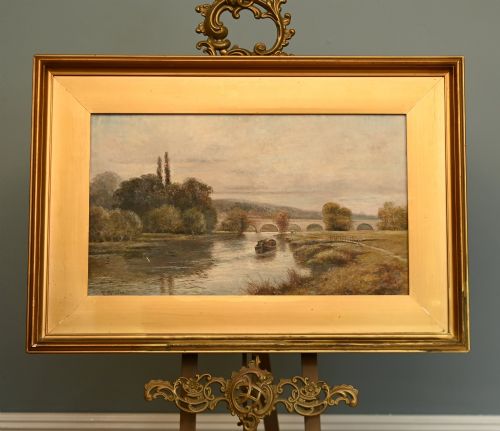
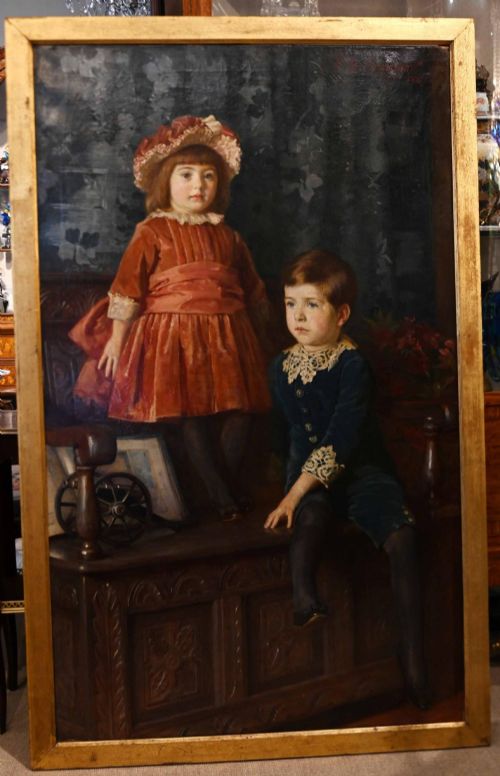
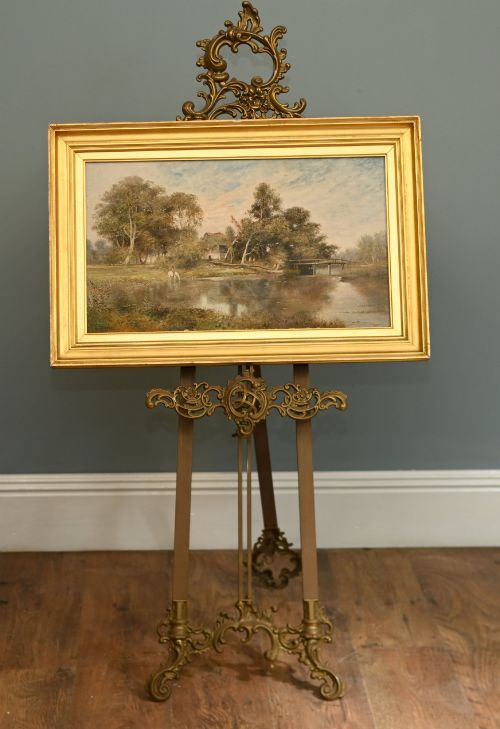
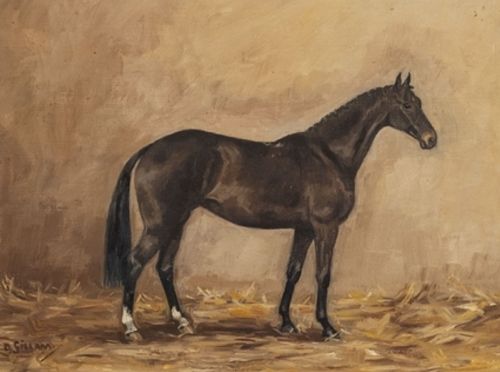
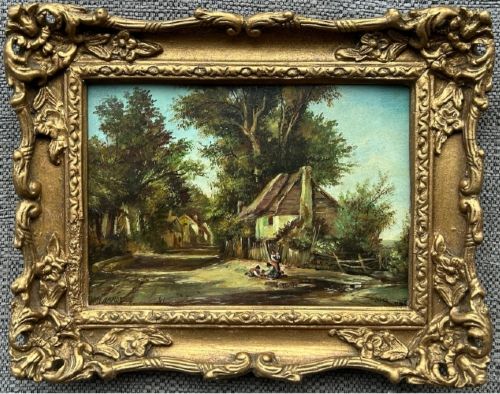
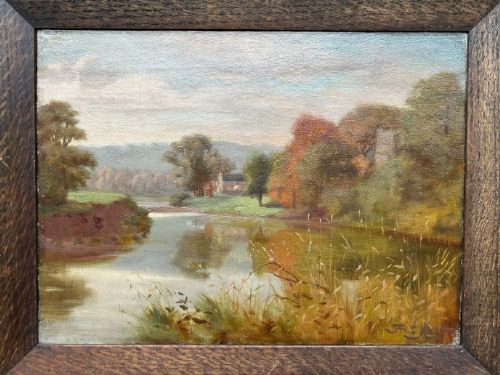
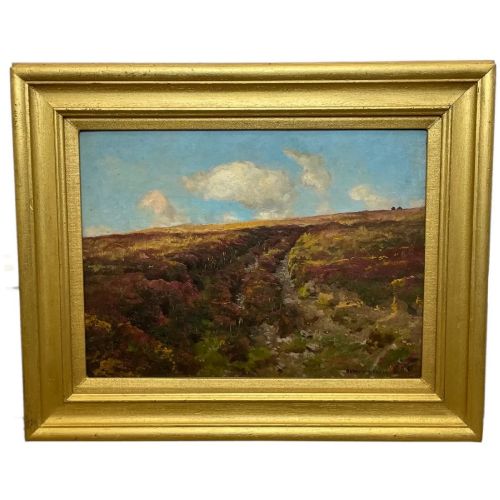
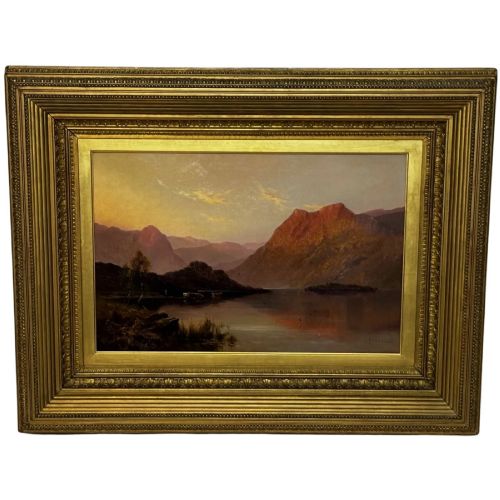
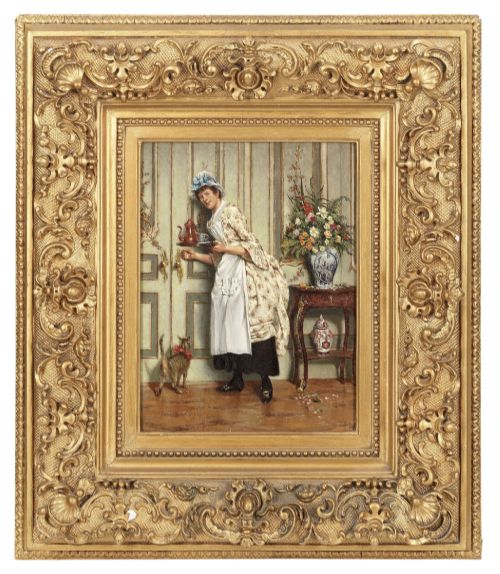
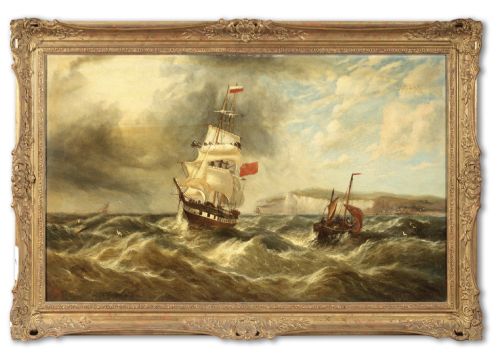
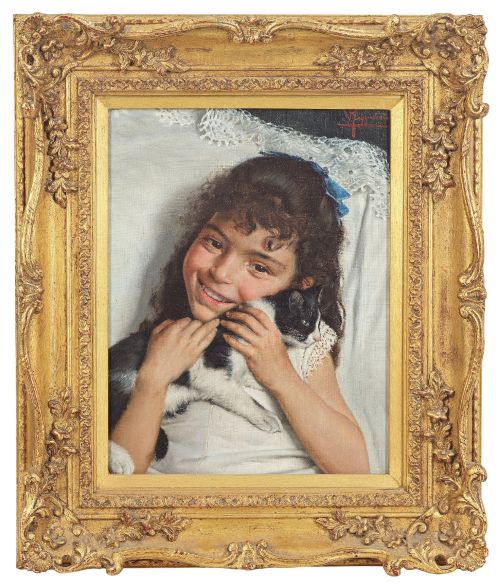
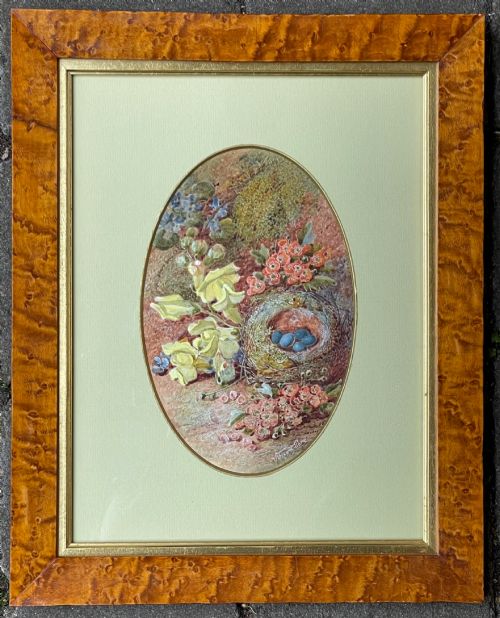
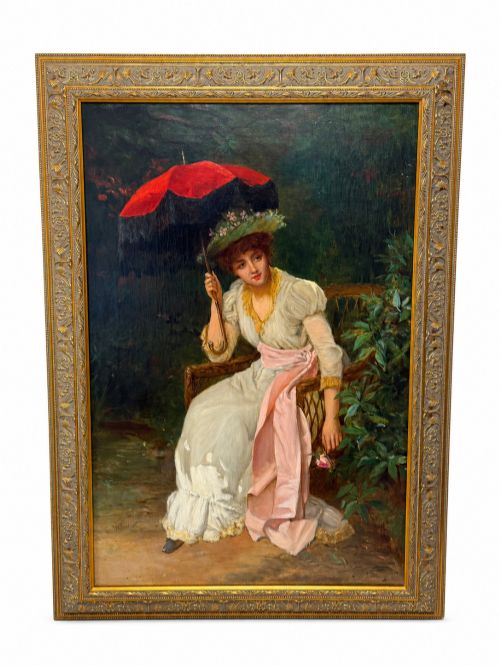
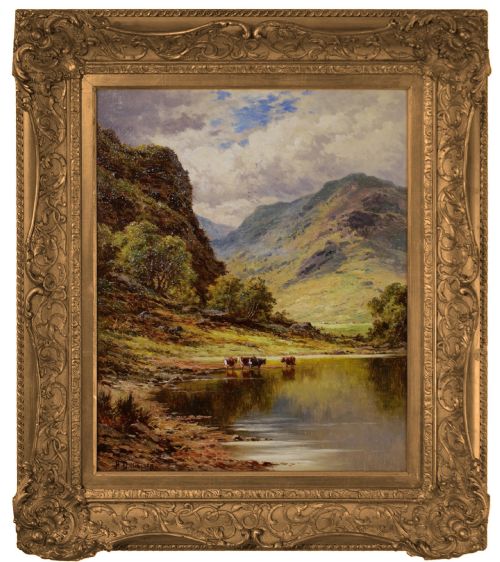
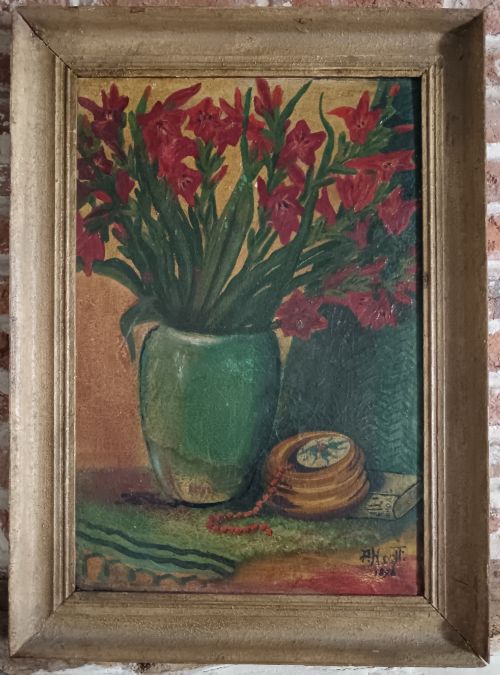
A signed victorian oil painting comprises original nineteenth-century works spanning pastoral landscapes, marine scenes, portraiture, and still life. These canvases and wood panels bear the signatures of British and European artists working within distinct regional schools.
Buyers encounter landscape studies from the Scottish Highlands and Lake District alongside detailed domestic interiors and animal portraits. The selection ranges from intimate wood panels to substantial canvases framed in giltwood.
The common thread across these works is the presence of an artist's signature, linking the painting directly to a specific hand from the nineteenth or early twentieth century.
How they were made
Artists applied oil paint using brushes and palette knives onto stretched canvas, prepared wood panels, or milk glass. The medium allowed for slow blending of pigments, building depth in skies, water, and fabrics.
Canvases were typically mounted on wooden stretchers and secured within decorative frames made of gesso and giltwood. Panel paintings utilised seasoned wood supports prepared with a smooth ground to receive the oil pigments.
Listings feature nineteenth-century oil paintings executed on canvas, wood panel, and milk glass.
What varies in quality
The strength of the composition and the confidence of the brushwork determine the distinction between average output and superior execution. A master hand achieves atmosphere and light through deliberate, economic strokes rather than laboured detail.
Condition of the pigment layer and the original support heavily influence the standing of a piece. Intact paint surfaces without extensive overpainting, housed in period-appropriate frames, represent the upper tier of surviving works.
William Howard Hardy·Frederick Marriott·Arthur Wardle·Alfred Fontville de Breanski Jr·Stephen Samuel Lewin·John Rose Miles·Vittorio Reggianini·Thomas W Lascelles·Vincent Clare·Bernard Benedict Hemy·William Oliver·Henry H Parker·John Emms·William George Tennick·Thomas Sidney Cooper·James Mallard Bromley·Lance Calkin·Robert John Hammond·John Trivett Nettleship·Maud Raphael Jones·William Manners·Karl Herrle·George Armfield
The Signed Victorian Oil Painting Glossary
- Canvas
- A heavy woven fabric stretched across a wooden frame to serve as a support for oil painting. It provides a slightly textured surface that interacts with the applied pigment.
- Giltwood
- Wood carved and coated with gold leaf or a gold-coloured finish used for traditional picture frames. This material adds weight and decorative ornamentation surrounding the painting.
- Panel
- A flat piece of wood used as a rigid support for oil painting instead of canvas. Panel paintings from this era frequently display fine grain and smooth application.
- Gesso
- A plaster-like mixture applied to wood or canvas to prepare a smooth surface for painting or framing. It provides a stable base for subsequent layers of gilding or oil.
- Genre painting
- Artwork depicting scenes from everyday life, ordinary people, and domestic interiors. These pieces offer social insight into nineteenth-century habits and environments.
Signed Victorian Oil Painting: Frequently Asked Questions
How do I identify a Victorian oil painting?
Examine the materials and stretcher construction on the reverse of the work, noting whether the canvas is mounted on a traditional pegged wooden frame.
Subject matter, clothing styles in portraits, and the characteristic palette of nineteenth-century pigments further help confirm the period.
Where should I hang an oil painting?
Select an interior wall away from direct sunlight and damp conditions to protect the oil pigments and the wooden stretcher bars.
Keep the artwork clear of direct heat sources such as radiators to prevent the canvas or wood panel from warping.
Can I clean an antique oil painting?
Surface dust can be removed very gently with a soft, dry brush, taking care not to touch exposed pigment or cracked areas.
Professional conservators should handle deeper cleaning or varnish removal to avoid damaging the original artist's brushwork.
What does an indistinct signature mean?
An indistinct signature indicates a mark left by the artist that has faded, worn, or been obscured by aged varnish and subsequent framing.
Researching the painting's style, subject matter, and regional school often helps attribute the work when the signature itself is hard to read.