




Signed River Landscape
A signed river landscape captures flowing water and countryside views, offering buyers authentic 19th and 20th-century scenery with verified artistic provenance.
Signed River Landscape
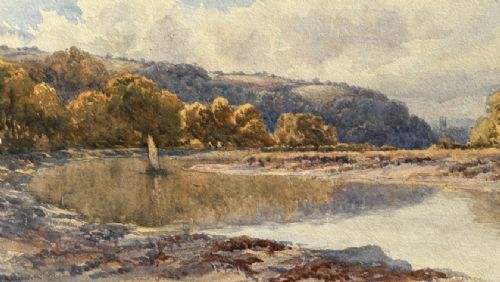
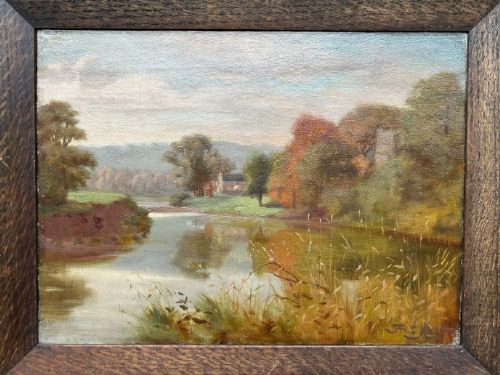
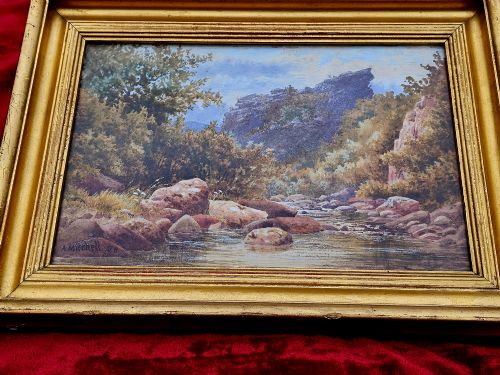
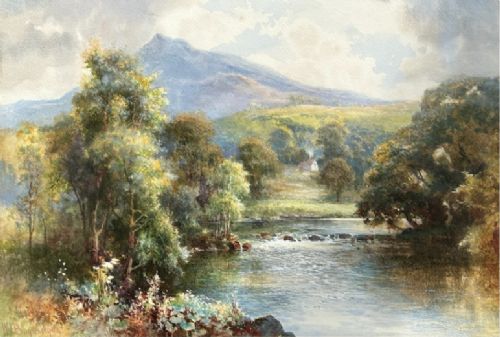
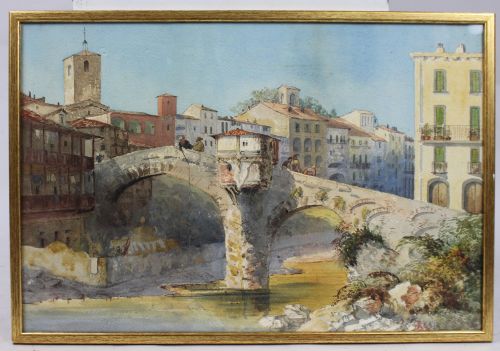
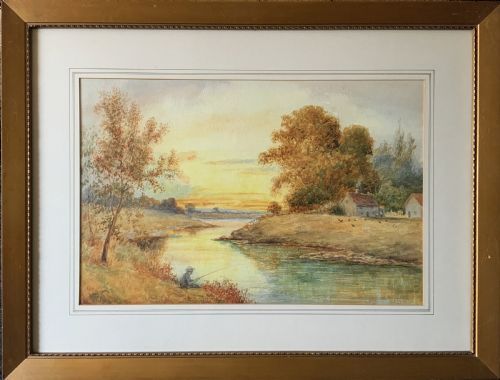
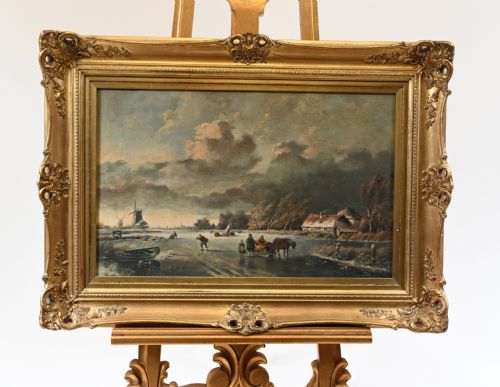
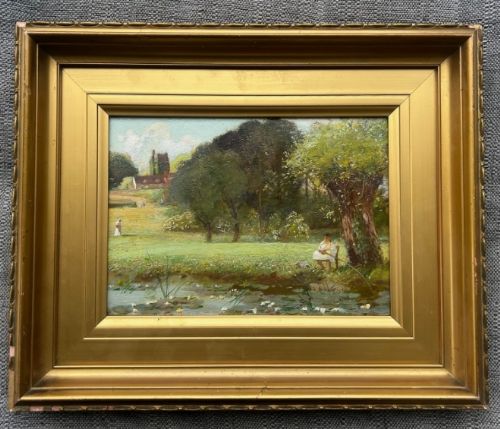
A signed river landscape represents framed works on paper, canvas, or wood panels depicting waterways, bridges, and rural valleys. Buyers encounter mostly Victorian, Edwardian, and mid-20th-century British and European pieces created by named painters and regional artists.
The subjects range from Scottish highlands and Welsh valleys to English rivers and continental waterways. These works capture pastoral scenes, working barges, and quiet riverbanks observed directly from nature.
How They Were Made
Painters utilised oil paint on canvas, wood panels, or board to build rich textures and deep colour fields. Watercolours on paper capture lighter, translucent effects with precise brushwork and delicate washes.
Supports often feature gilt or gesso frames that complement the period aesthetic. Artists applied pigments by hand, signing their compositions directly onto the front surface or panel.
British Impressionism and Victorian realism dominate the stylistic range recorded across past and present inventories.
What Varies in Quality
Skill in handling light, atmosphere, and perspective separates accomplished compositions from basic topographical records. The best pieces demonstrate confident brush control and a cohesive palette that unifies water, sky, and foliage.
Condition and originality also determine merit. Works retaining their original gilt frames and stable paint layers without extensive restoration command greater appreciation from collectors.
David Law·Kenneth Cozens·Frederick Marriott·William Joseph Boyes·Thomas Bush Hardy·John Syer·Fred Lawson·Thomas Pyne·Thomas Swift Hutton·Alfred George Morgan·Sir David Murray·Arthur Herbert Rigg·William George Tennick·William Manners·David Cox Senior·Claude Hayes·Norman Wilkinson·Henry Charles Fox·Copley Fielding
The Signed River Landscape Glossary
- Watercolour
- A painting method where fine pigment is suspended in a water-based solution applied to paper. This medium allows for transparent washes and luminous atmospheric effects.
- Gesso
- A traditional paint mixture consisting of a binder mixed with chalk, gypsum, or pigment. It is applied to wood panels or frames to prepare a smooth surface for oil painting or gilding.
- Impressionism
- An art style focused on accurate depiction of light in its changing qualities and ordinary subject matter. Painters use small, thin yet visible brush strokes to capture open compositions.
- Canvas
- A heavy woven fabric used as a surface for oil painting. Stretched tightly over wooden frames, it provides flexibility and texture suited for historical landscapes.
Signed River Landscape: Frequently Asked Questions
What subjects appear in these paintings?
The compositions show natural waterways, bridges, mills, and pastoral valleys across Britain, Ireland, and continental Europe. Many feature local figures, cattle, or boats integrated into the scenery.
Artists recorded specific locations such as Welsh rivers, Yorkshire dales, and the River Thames. These topographical details anchor the romantic views in verifiable geography.
How do I date a signed river landscape?
Signatures, artist registry records, and stylistic clues help establish when a piece was created. Victorian and Edwardian works often display specific framing techniques and paper watermarks corresponding to the nineteenth or early twentieth century.
Clothing styles of any figures depicted and the materials used, such as milk glass or specific board types, also point toward distinct decades like the 1920s or 1940s.
How should I display these artworks?
Hang paintings away from direct sunlight and high moisture areas to protect watercolours on paper and oil paint on canvas. Stable indoor temperatures prevent warping in wood panels and gesso frames.
Pairing the piece with appropriate wall lighting highlights the brushwork and colour tones. Many works retain their original period frames, which complement traditional interior settings.
What does an indistinct signature mean?
An indistinct signature indicates a painter whose handwriting has faded, worn over time, or was written lightly into wet pigment. These pieces often originate from specific regional schools of art.
Researchers identify the creators of such works by comparing brush techniques, geographical subject matter, and known exhibition records from the period.