
Framed River Picture
A framed river picture brings domestic calm to a room, capturing waterscapes through centuries of oil paint, watercolour, and engraving.
Framed River Picture
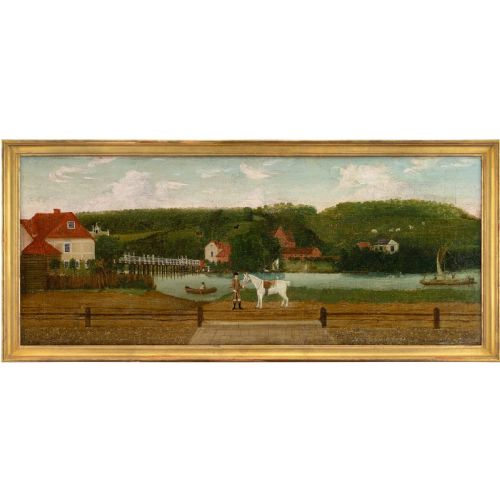
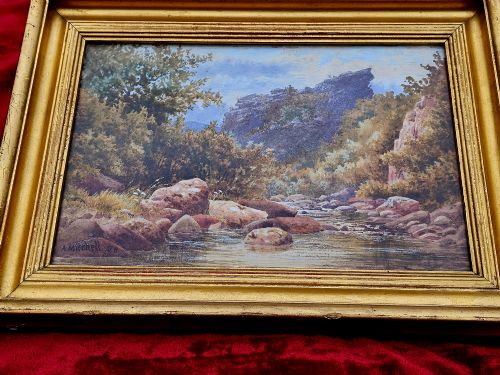
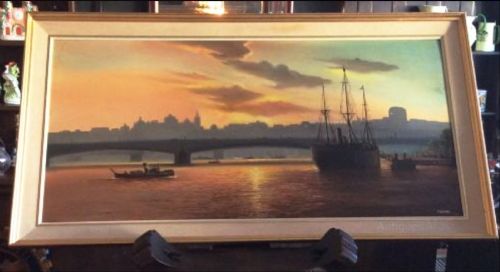
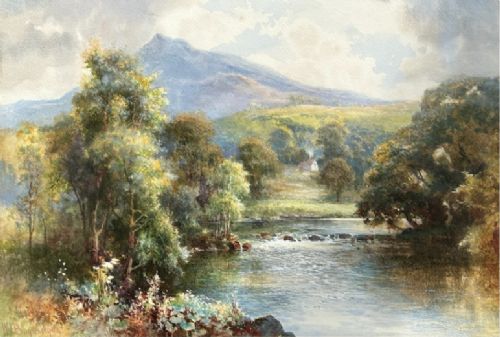
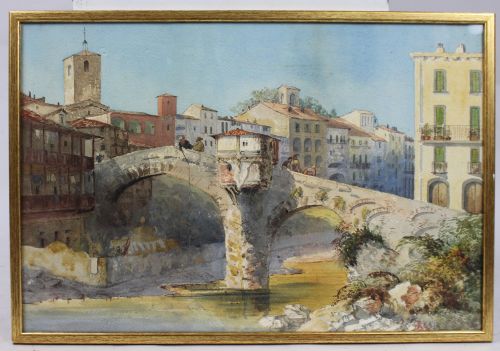
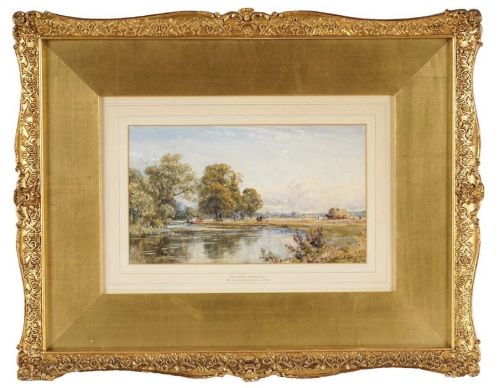
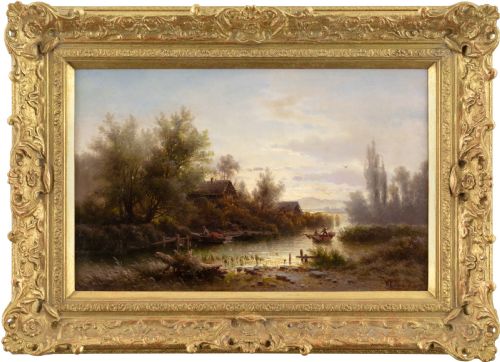
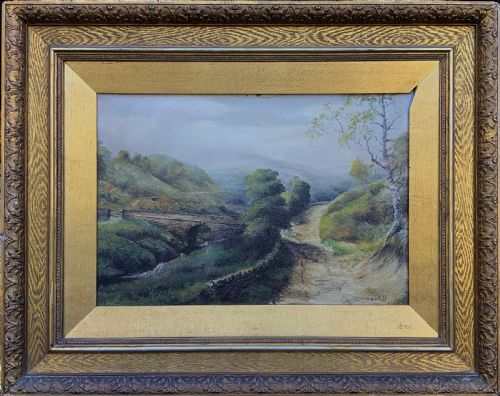
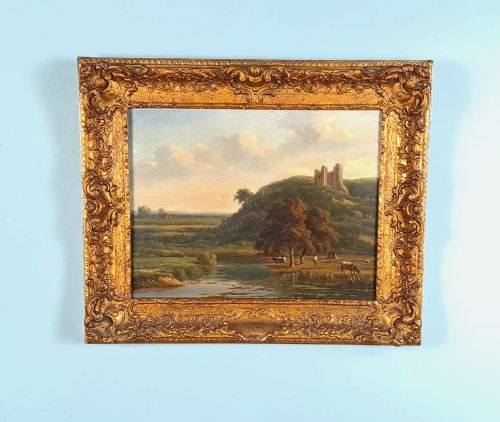
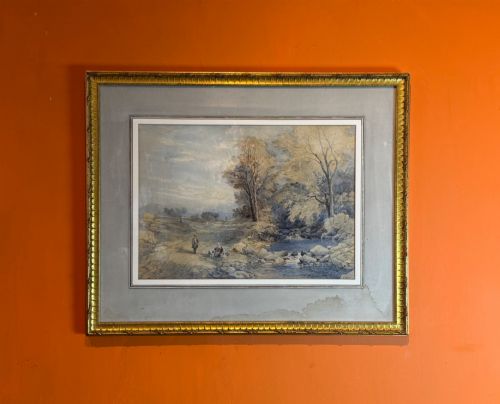
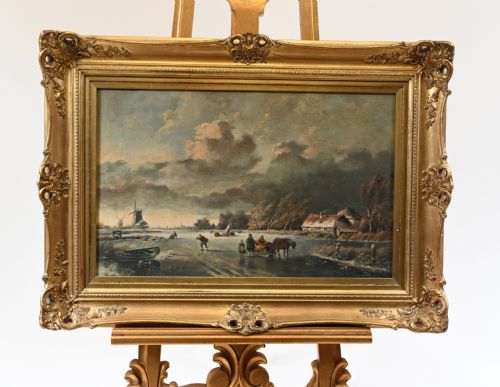
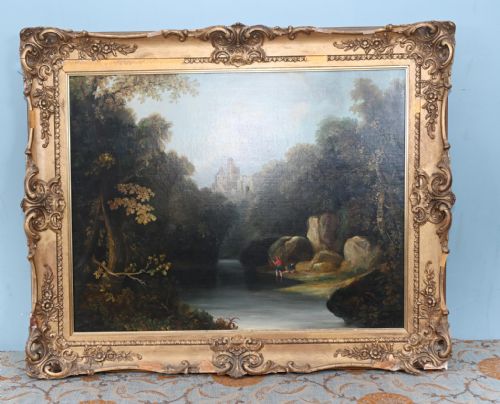
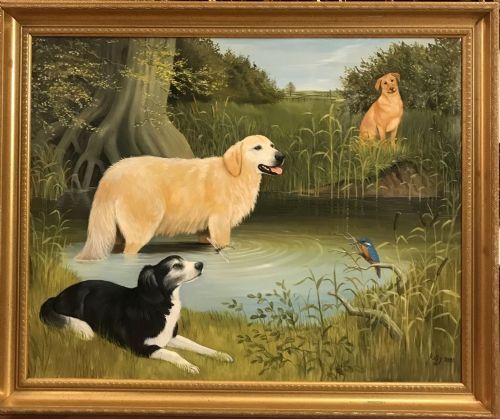
A framed river picture presents inland waterways, pastoral streams, and bustling bridges rendered by artists working across the nineteenth and twentieth centuries. These artworks capture specific locales ranging from Welsh valleys and English rivers to continental tributaries and French chateaux.
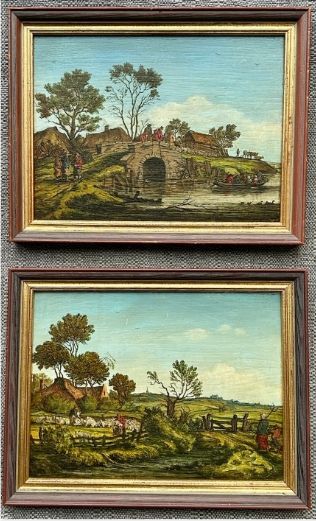
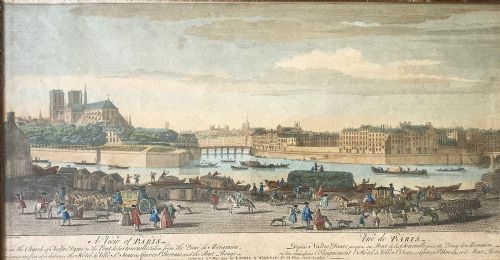
Buyers frequently encounter nineteenth-century oil paintings and watercolours depicting British and European landscapes. The selection spans quiet pastoral scenes with figures on bridges to panoramic marine seascapes set along urban rivers.
Formats vary from intimate wood panels and canvases to expansive framed works accompanied by hand-coloured engravings. Each piece places the viewer beside water, utilising traditional framing to complete the presentation.
Materials and construction
Artisans applied oil paint and watercolour onto canvas, wood panels, paper, and board to build these riverside compositions. Canvases stretch across wooden supports while panels offer solid surfaces for detailed brushwork.
Giltwood and wooden frames enclose the artworks, protecting the edges and providing architectural structure. Hand-colouring enhances paper prints and engravings, adding depth to historical views.
Several artists preferred painting cows standing patiently knee-deep in gentle rivers.
Assessing quality and execution
The sophistication of brushwork and the handling of natural light distinguish accomplished paintings from standard decorative works. Artists who expertly balance atmospheric effects and water reflections elevate the composition.
Original frames matching the period of the artwork contribute significantly to the integrity of the piece. The depth of the pigment and the clarity of the paper or canvas condition complete the evaluation.
W Klombeck·A Mitchell·William Joseph Boyes·Albert Rieger·T C Hofland·David Cox·T Bergman·Sydney Yates Johnson·John Ferneley Senior·William George Tennick·Hubert Wellington·Charles Clair·Alfred George Morgan·Charles William Wyllie·Cornelius Pearson·Edwin Lord Weeks·Arthur Reginald Smith·Arthur Herbert Rigg·Ron Folland·J Phipps·David Cox Jnr·George Vicat Cole·Robert John Hammond·E A Minardo
The Framed River Picture Glossary
- Oil on Canvas
- Pigments bound in drying oil applied to stretched fabric. This medium allows for rich texture and blending.
- Watercolour
- Paint consisting of water-soluble pigments on paper. It creates transparent washes and delicate atmospheric effects.
- Giltwood
- Wood carved and covered with thin gold leaf or gilt powder. It provides decorative framing for paintings.
- Wood Panel
- A flat wooden board used as a rigid painting support. Artists utilised panels before and alongside canvas.
- Engraving
- An image incised onto a metal plate and printed onto paper. Hand-colouring was frequently added afterwards.
Framed River Picture: Frequently Asked Questions
How do I date a river painting?
Examine the materials, stretcher types, and frame construction alongside any visible artist signatures or dates. Stylistic clues in clothing and architecture also help narrow down the decade.
Comparison with documented works by the same school or artist provides further chronological context for the piece.
What is the difference between oil and watercolour?
Oils use pigment suspended in drying oil on canvas or wood, offering rich texture and deep colour saturation. Watercolours apply water-soluble pigment to paper for a luminous, transparent finish.
Both mediums produce distinct atmospheric effects when depicting water and skies.
How should I hang a framed artwork?
Select a wall away from direct sunlight and damp conditions to protect the canvas, paper, and gilt frame from degradation. Use appropriate picture hooks rated for the combined weight of the art and frame.
Position the centre of the picture at eye level for optimal viewing within your room.
Are these river pictures original works?
The inventory includes hand-painted original oils and watercolours alongside period engravings and prints. Each listing specifies the exact medium used by the artist or printmaker.
Reviewing the item details confirms whether a piece is a unique painted canvas or a historical printed work.