




Signed Marble Sculpture
When you handle a signed marble sculpture, you hold an artisan's named signature carved in stone or cast in bronze.
Signed Marble Sculpture
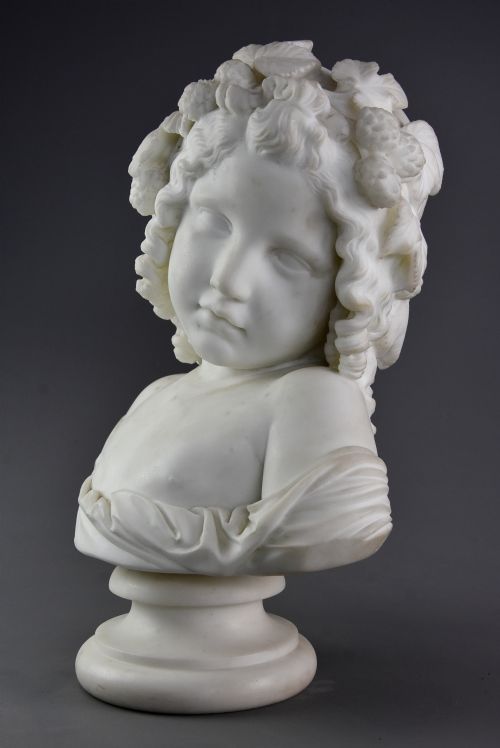
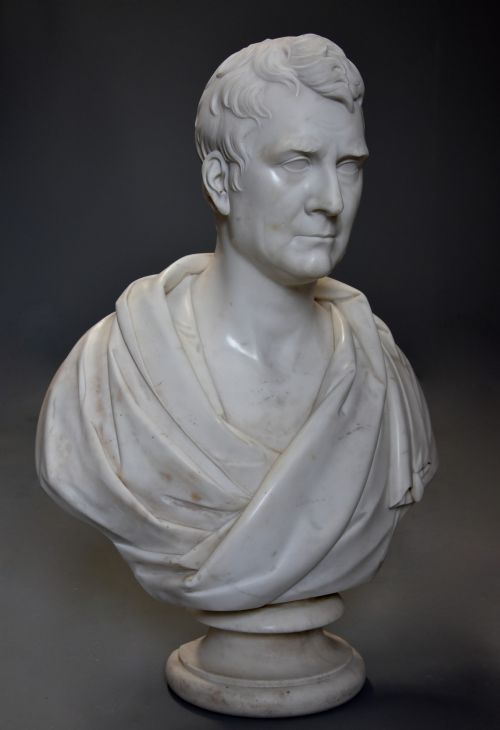
A signed marble sculpture represents carved stone or mixed media figures carrying an artist or foundry mark. Buyers searching for a signed marble sculpture encounter nineteenth-century busts, classical figures, and animalier subjects created across Europe.
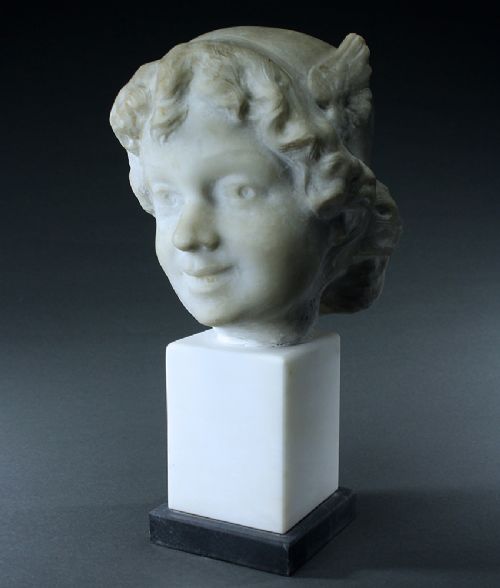
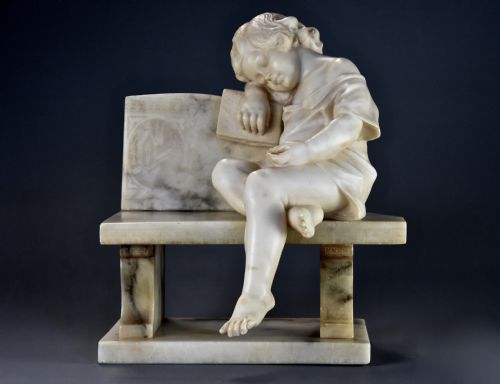
The pieces on this page span from the early nineteenth century through the Art Deco period. Common forms include portrait busts of children and historical figures, mythological subjects like Diana and Cupid, and animal studies set on carved plinths.
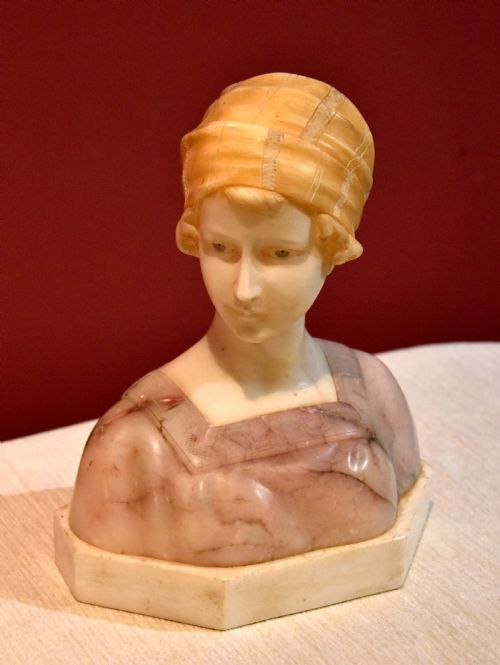
Italian and French workshops dominate the origin of these works. Many pieces combine carved white marble or alabaster with bronze elements, mounted on contrasting bases such as portoro marble.
Materials and construction methods
Carved pieces utilise white marble, Carrara marble, and translucent alabaster shaped with chisels and rasps. Sculptors signed their finished stone work directly on the base or truncation.
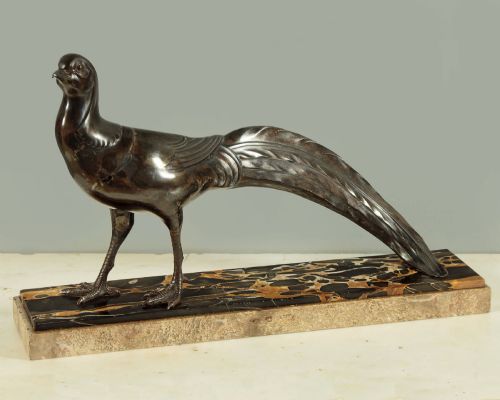
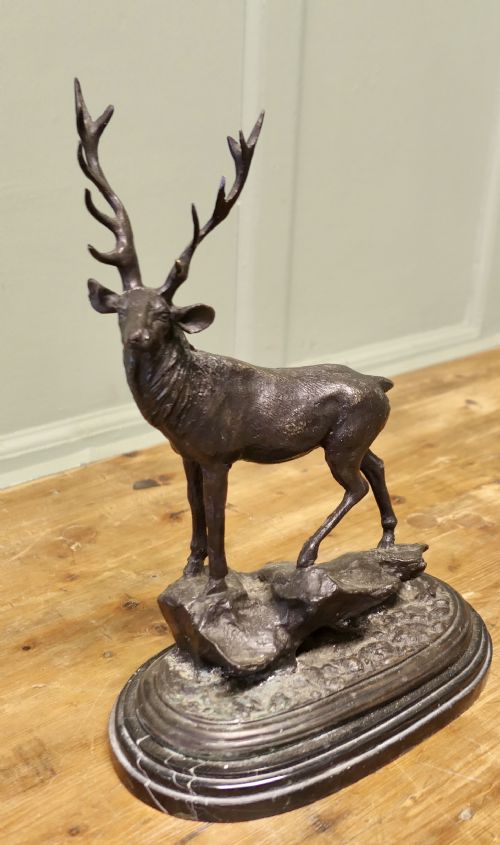
Composite sculptures combine cast bronze, gilded bronze, or silvered spelter with carved stone plinths and bases. Founders cast these metal elements using the lost-wax method before assembling them with the carved components.
Signed Marble Sculpture Retail Price Guide 2026
Typical asking prices for signed marble sculpture among the pieces listed under this phrase on Sellingantiques today, from the lower quarter to the upper quarter. They describe what is for sale here now, not the wider market.
Materials across the listings include Carrara marble, alabaster, bronze, gilded bronze, silvered spelter, and portoro marble bases.
Qualities of execution and medium
The selection of the stone itself defines the visual impact. Uniform fine-grained Carrara marble or flawless alabaster holds a smoother finish than stone containing natural grey inclusions or internal fractures.
P E Fiaschi·Auguste Henri Carli·R Mattei·Alajos Strobl·Louis Auguste Moreau·Eduardo Giolli·P Della Vedova·Kasper Hendrik Roskam·Ferdinando Vichi·R Henn·Andrey·P Marec·E Laurent·I Rochard·Denise Delavigne·E Drouot·Francois Moreau·Gory Paris
The Signed Marble Sculpture Glossary
- Alabaster
- A soft, fine-grained stone used for translucent carved figures and relief sculptures. It allows light to penetrate slightly beneath the surface.
- Animalier
- A nineteenth-century artistic style focusing on realistic depictions of animals. These sculptures frequently feature stags, tigers, lions, and birds.
- Carrara marble
- A type of white or blue-grey marble quarried in the city of Carrara in Tuscany, Italy. It was favored by classical and nineteenth-century sculptors for portrait busts.
- Neoclassical
- A style inspired by the classical art and culture of ancient Greece and Rome. It emphasises restraint, symmetry, and mythological subjects.
- Spelter
- A zinc alloy used as a cheaper alternative to bronze for figural sculptures and lamps. It is often given a bronze-coloured or silvered patina.
Signed Marble Sculpture: Frequently Asked Questions
How do I identify the signature on a marble sculpture?
Signatures are typically incised directly into the lower edge, rear, or top of the marble base by the sculptor. They may appear alongside a foundry mark or a date.
Examine the lettering under a strong light with a magnifying glass to check that the carved signature matches the period and style of the surrounding stone.
What is the difference between marble and alabaster?
Marble is a hard metamorphic rock formed from recrystallized carbonate minerals, making it durable and heavy. Alabaster is a softer mineral composed of gypsum, which is more translucent and easily scratched.
Sculptors used alabaster for softer drapery effects and smaller interior figures that did not require the structural hardness of marble.
How should I display a marble sculpture at home?
Place your sculpture on a sturdy, level surface away from direct sunlight and sudden temperature fluctuations. Heavy stone and bronze pieces require stable furniture or dedicated pedestals.
Dust the surface regularly with a soft, dry cloth without applying household polishes or cleaning agents that might damage the stone.
What does Grand Tour mean for these sculptures?
Grand Tour refers to the travel tradition undertaken by wealthy young Europeans in the eighteenth and nineteenth centuries to study classical art. Sculptors in Italy produced smaller bronze and marble copies of famous antiquities for these travellers to bring home.
These pieces often depict mythological figures and are valued for their patination and historical context.