






Italian Carved Marble Bust
An italian carved marble bust brings classical presence into a room, capturing subjects from mythological deities to literary figures.
Italian Carved Marble Bust
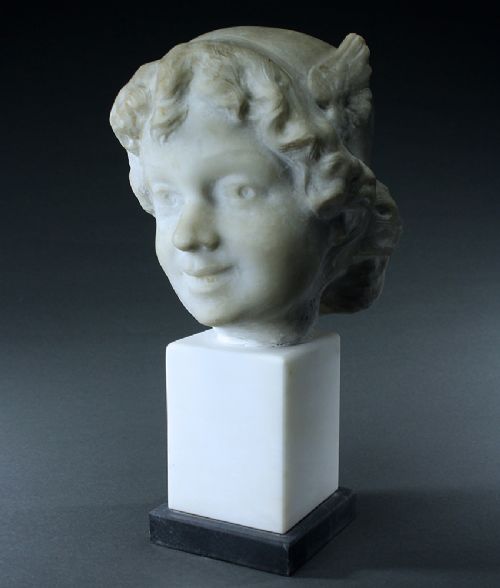
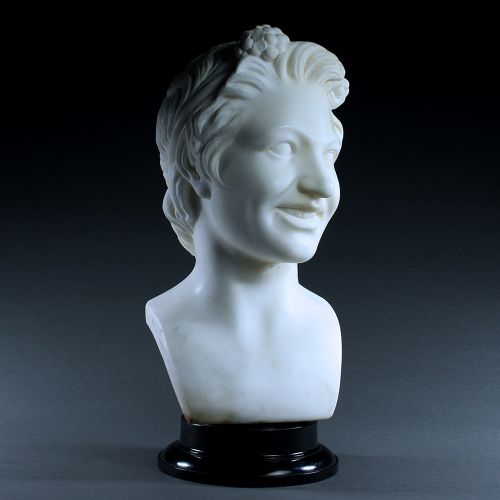
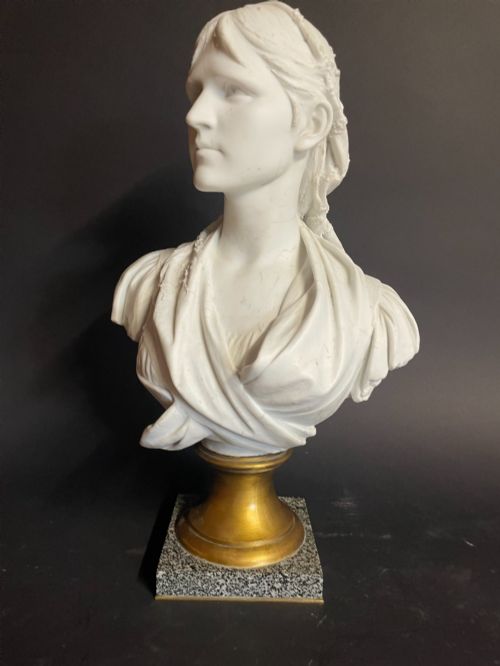
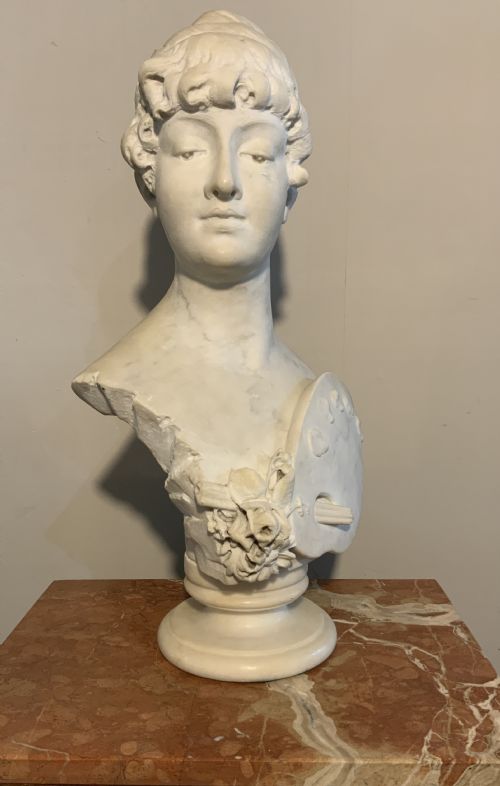
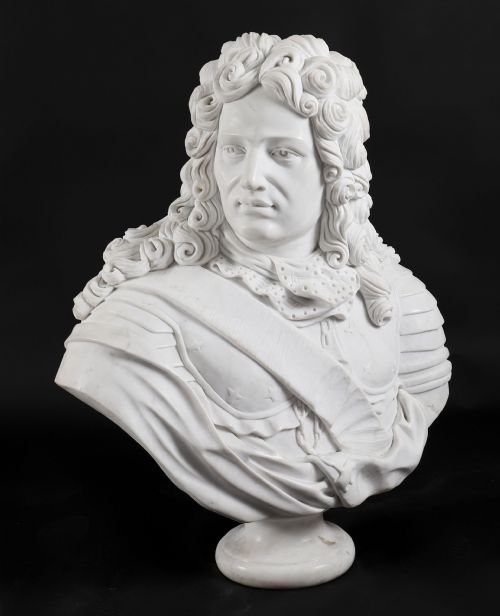
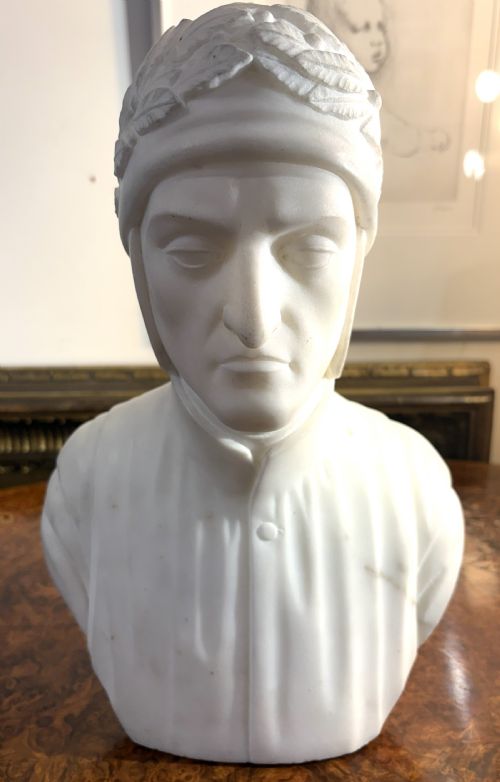
When you search for an italian carved marble bust, you encounter sculptural works that span from the seventeenth century through to the mid twentieth century. The selection includes subjects such as Hermes, Dante, Diana, and veiled ladies, often mounted on contrasting socles like prato verde or vert de mer marble.
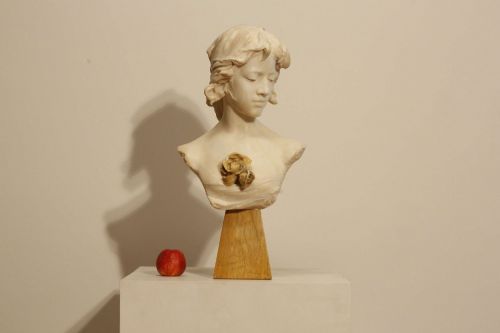
Most examples originate from nineteenth century workshops catering to the Grand Tour trade, alongside neoclassical and art nouveau creations. Forms range from freestanding portrait busts and library studies to profile plaques and bas relief portraits.
How they were made
Carvers utilised fine white statuary marble and Carrara marble, often combining them with coloured mineral bases such as portoro or slate. Artisans applied hand chiselling and polishing techniques to render the drape of garments, hair texture, and facial expressions.
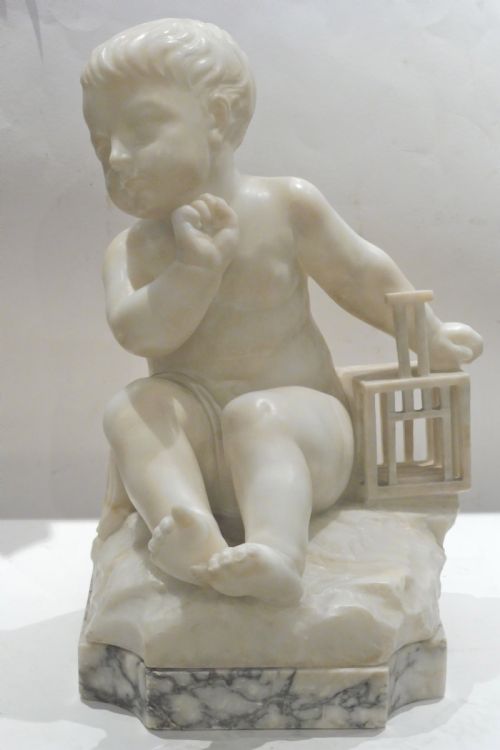
Certain works integrate secondary materials like bronze or alabaster, while scagliola and specialised stone bases provide structural support and aesthetic contrast to the main carved figure.
Italian Carved Marble Bust Retail Price Guide 2026
Typical asking prices for italian carved marble bust among the pieces listed under this phrase on Sellingantiques today, from the lower quarter to the upper quarter. They describe what is for sale here now, not the wider market.
Listings feature Italian carved marble busts across the seventeenth, eighteenth, nineteenth, and twentieth centuries, using Carrara marble, alabaster, slate, and bronze.
What varies in quality
Signatures by documented sculptors and the inclusion of specific coloured marble bases or integrated bronze elements elevate certain examples above standard decorative productions.
Corio·Affortunato Gory·R. Mattei·Pugi·GORY
The Italian Carved Marble Bust Glossary
- Grand Tour
- A traditional trip through Europe undertaken by upper class Europeans in the eighteenth and nineteenth centuries, resulting in the acquisition of local art and antiquities. Souvenirs from these travels frequently included carved marble busts and profile reliefs.
- Carrara marble
- A type of white or blue grey marble quarried in the city of Carrara in Tuscany, widely prized for its use in classical sculpture. It provides a uniform background that allows fine facial details to emerge.
- Socle
- A short plinth or pedestal supporting a statue, bust, or vase. In Italian marble works, these are often fashioned from contrasting stones such as prato verde or vert de mer.
- Scagliola
- A composite substance made from selenite, glue, and pigments, mixed to imitate marble and other stonework. It appears on pedestals and architectural supports.
- Portoro
- A black marble with distinctive gold veins quarried in Italy, frequently utilised as a base material for multi media sculptures.
Italian Carved Marble Bust: Frequently Asked Questions
Where were these busts displayed?
These sculptures typically stood in libraries, hallways, and drawing rooms of nineteenth century homes. They served as scholarly focal points and displays of classical learning.
Collectors often placed them on dedicated pedestals, columns, or torchere stands to elevate the pieces within the interior space.
How do I identify Grand Tour pieces?
Grand Tour items often replicate famous classical antiquities seen in Italian museums and archaeological sites during nineteenth century travels. They concentrate on Roman emperors, mythological figures, and literary subjects.
These souvenirs are usually smaller in scale, designed for easy transport by travellers returning from Italy.
What is the difference between marble and alabaster?
Marble is a metamorphic rock formed from recrystallised carbonate minerals, offering high durability and a crisp surface for detailed carving. Alabaster is a softer stone composed of mineral gypsum, prized for a translucent quality that lets light penetrate the surface.
Sculptors utilised alabaster for figures requiring a softer, more waxen appearance.
How should I care for marble sculpture?
Dust the surface regularly with a soft, dry cloth to prevent particulate accumulation in the carved crevices. Avoid using household cleaning agents or excess water, which can damage unsealed stone.
Keep the sculpture away from direct heat sources and drastic temperature shifts to preserve the integrity of the marble and its base.