

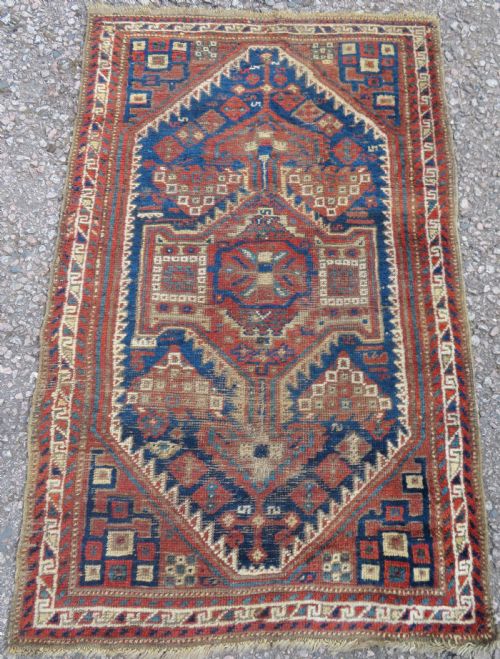
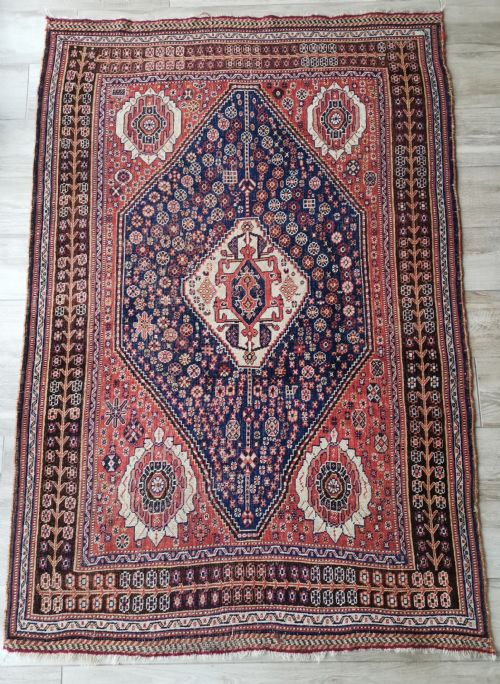
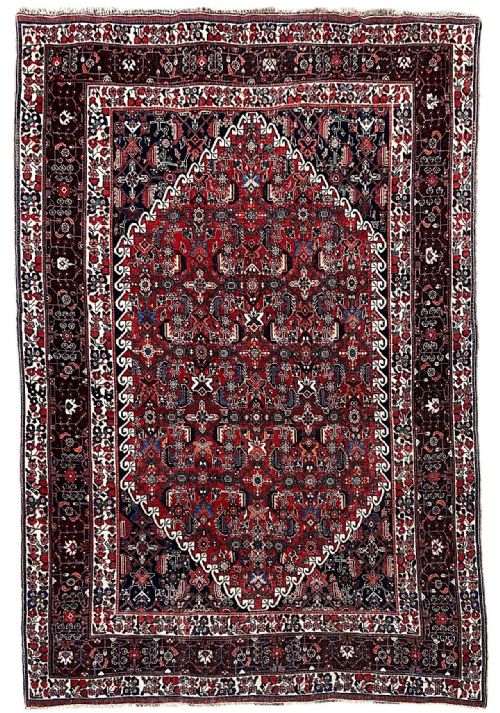
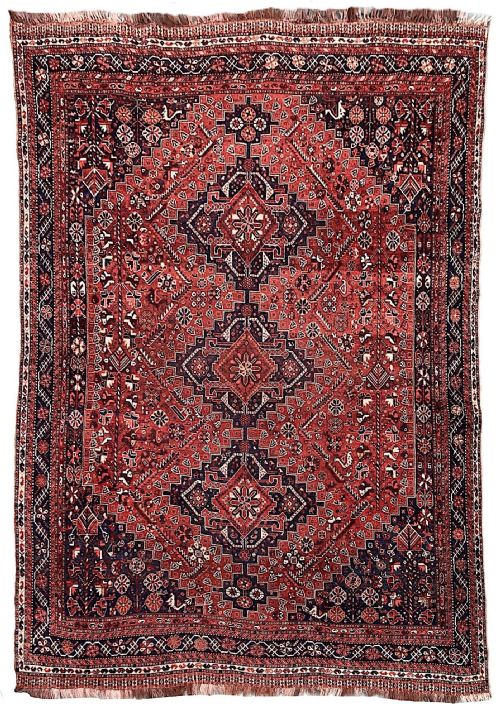


Shiraz Tribal Rug
When choosing a shiraz tribal rug, you select a hand-woven textile from south-west Persia that brings distinct nomadic patterns and natural dyes into your room.
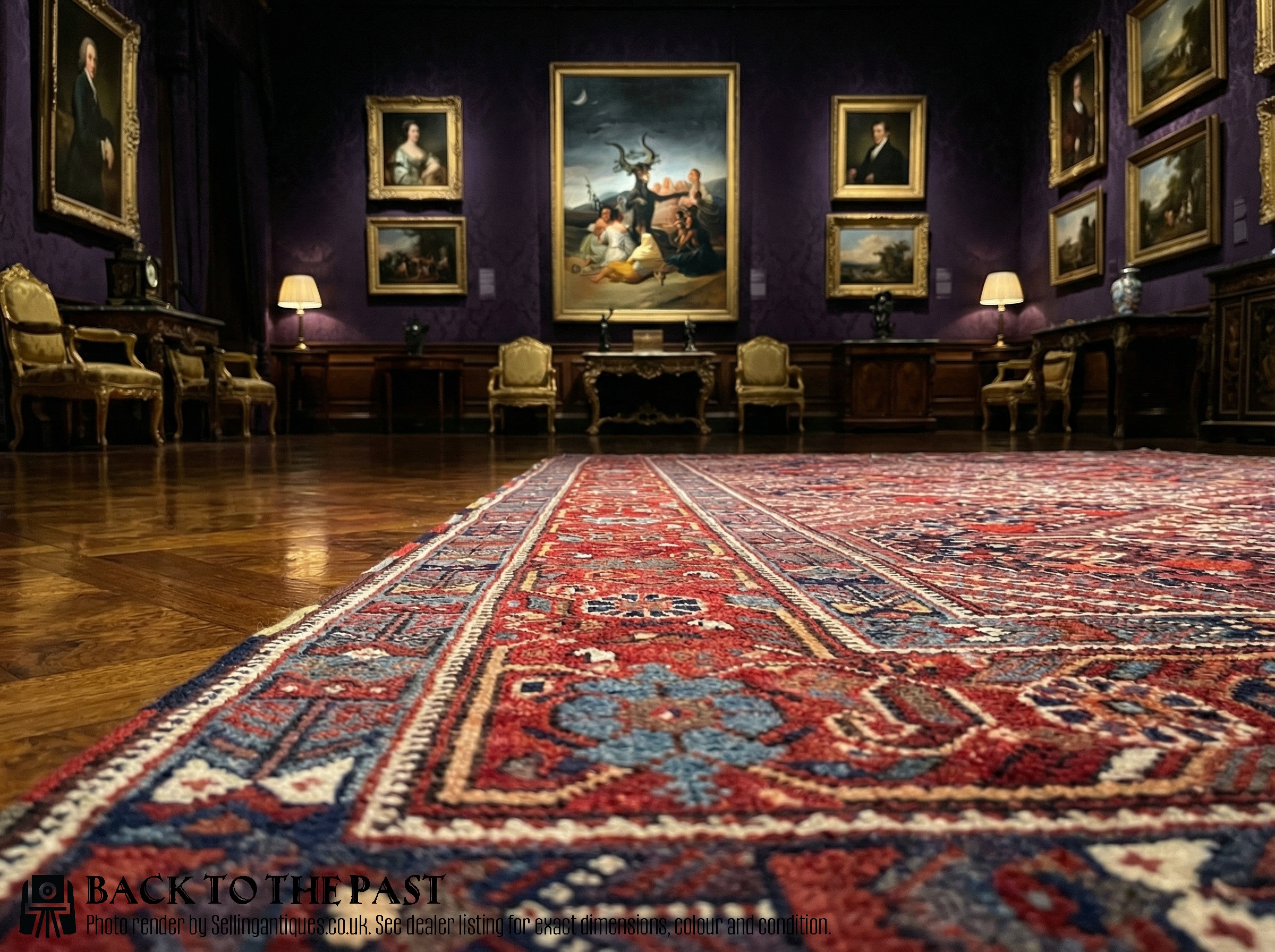
Shiraz Tribal Rug
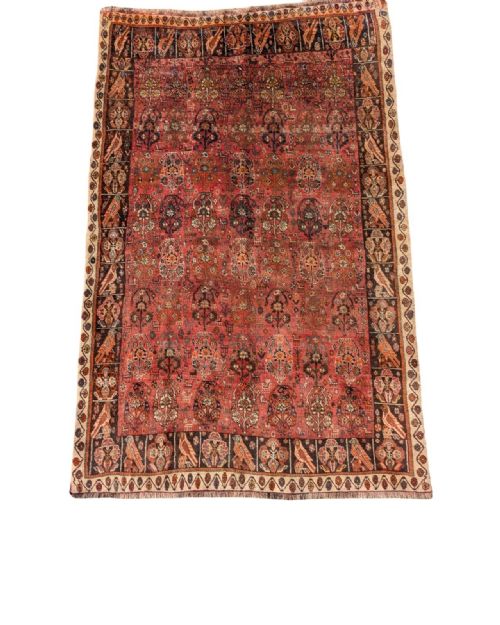
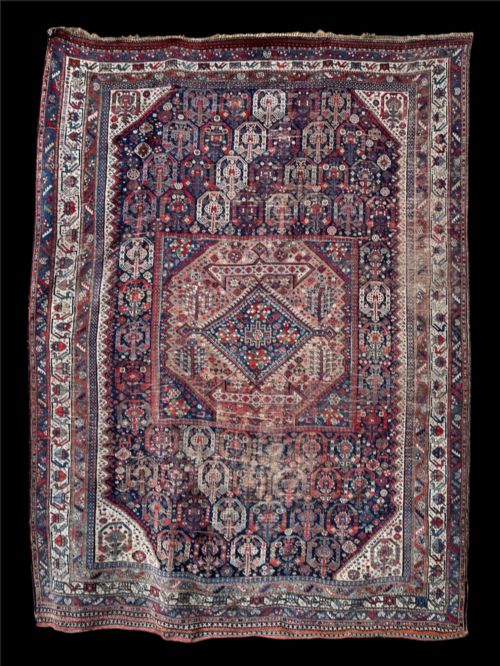
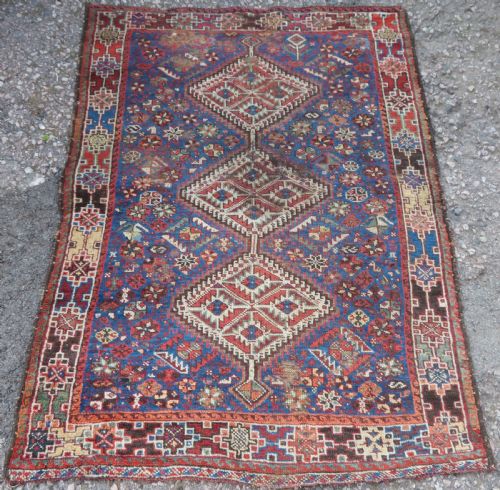
A shiraz tribal rug covers hand-woven floor coverings and smaller textiles originating from south-west Persia, encompassing regional tribal output associated with Qashqai and Khamseh weavers. These pieces frequently display geometric medallions, animal motifs such as peacocks, and traditional field patterns.
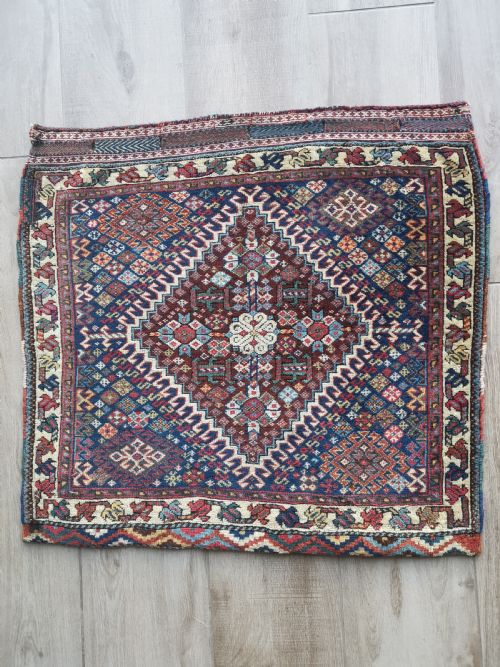
The selections available include full-sized carpets, smaller area rugs, long runners, and functional nomadic items like saddlebags and bag faces. Examples span the nineteenth century and early decades of the twentieth century, reflecting the heritage of nomadic and village weaving traditions.
How they were made
Weavers constructed these textiles predominantly using hand-spun wool for both the pile and the foundational warps and wefts, occasionally incorporating cotton structures in later pieces. Natural dyes provided the rich palette characteristic of these regional carpets.
The items are hand-woven, resulting in dense piled surfaces or flat-woven structures depending on whether the piece functions as a floor covering or a utilitarian storage bag. Traditional knotting and weaving techniques passed down through generations govern the production of each rug.
Shiraz Tribal Rug Retail Price Guide 2026
Typical asking prices for shiraz tribal rug among the pieces listed under this phrase on Sellingantiques today, from the lower quarter to the upper quarter. They describe what is for sale here now, not the wider market.
Listings span from the nineteenth century through the nineteen-thirties, documenting wool, cotton, and natural dyes across various rug formats.
What varies in quality
The distinction between standard examples and superior pieces rests upon the fineness of the weave, the clarity of the tribal design elements, and the depth of the wool pile. Higher quality textiles display precise execution of geometric medallions and intricate border details.
Condition and the retention of original natural dye colours heavily influence the standing of an individual rug. Pieces retaining full piles alongside vibrant, unaltered hues command greater regard among collectors of south Persian weaving.
The Shiraz Tribal Rug Glossary
- Medallion
- A central ornamental motif set within the field of the rug. These geometric shapes often form the focal point of tribal compositions.
- Saddlebag
- A utilitarian nomadic container woven in pairs for transport on animals. Collectors frequently encounter surviving bag faces separated from their original reverse sides.
- Pile
- The vertical or diagonal yarn standing up from the foundation to form the usable surface of the carpet. Full-piled examples retain their original thickness.
- Natural Dyes
- Colourants derived from plants, insects, and minerals rather than synthetic compounds. These materials yield the rich, evolving tones seen in older Persian textiles.
Shiraz Tribal Rug: Frequently Asked Questions
How do I date a tribal rug?
Dating relies on structural analysis, wool consistency, and the nature of the dye palette used by the weavers.
Items from the nineteenth century typically exhibit different handle and saturation compared to those produced into the nineteen-twenties.
Where were these rugs made?
Weavers produced these textiles in south-west Persia, specifically within the Shiraz region and surrounding tribal territories.
Nomadic and village groups such as the Qashqai and Khamseh contributed the primary designs found in this group.
Are saddlebags used as rugs?
Surviving bag faces often function as small decorative mats or wall hangings today. Originally, they served practical transport needs for nomadic tribes before being separated from their joining webs.
How do I care for wool pile?
Regular gentle vacuuming without a rotating brush helps maintain the integrity of the wool fibres. Professional cleaning tailored to antique textiles preserves the natural dyes and foundation.