





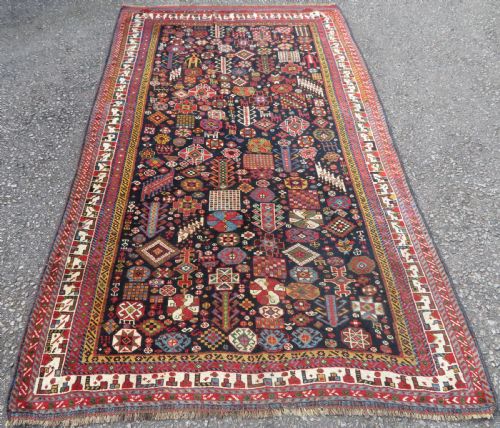
Shiraz Carpet Runner
Shiraz carpet runners are hand-knotted tribal floor coverings from South Persia valued for their rich wool piles and distinct geometric patterns.
Shiraz Carpet Runner
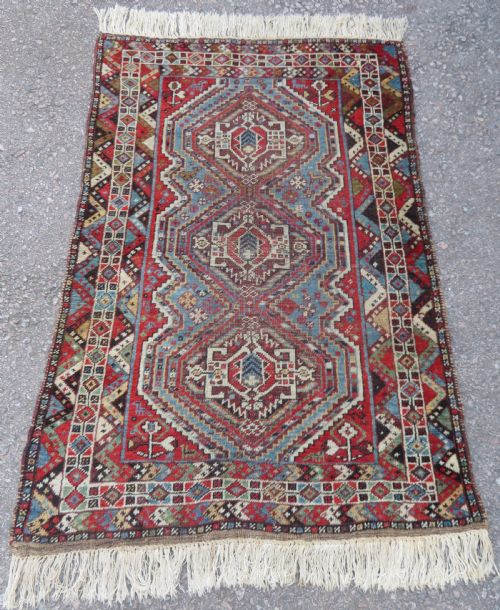
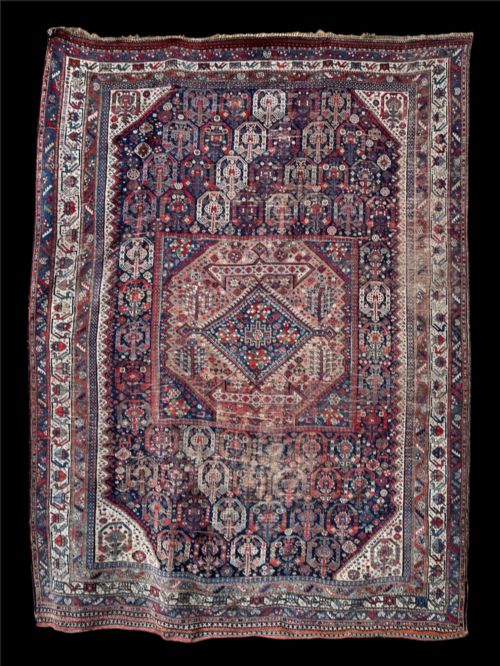
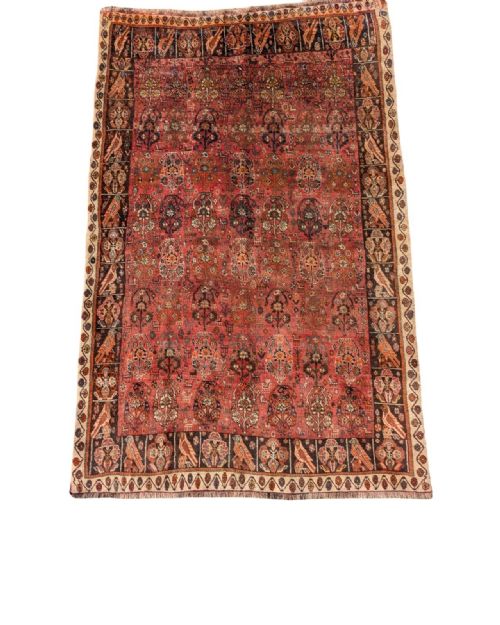
A shiraz carpet runner brings South Persian nomadic craftsmanship directly into a hallway or narrow space. These pieces originate from regional tribal weavers and confederacies, displaying patterns passed down through generations.
Most examples encountered here date from the late nineteenth century through to the early decades of the twentieth century. They manifest as elongated formats designed specifically for corridors and walkways, utilising traditional wool foundations.
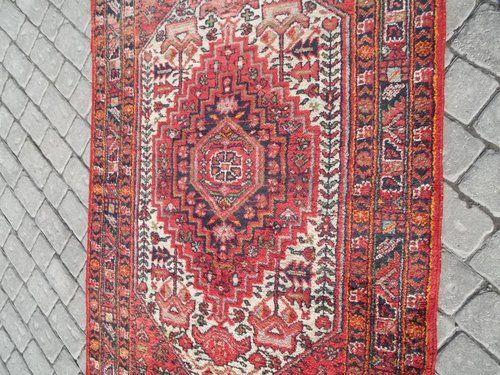
The aesthetic is distinctly tribal and geometric, featuring repeated centre medallions and stylized motifs. Buyers select them to introduce authentic character and robust floor coverings into domestic interiors.
How They Were Made
Weavers constructed these rugs using wool for both the pile and the foundational warps and wefts. This natural material provided the durability required for everyday use in nomadic and village settings.
Colour derives from natural dyes applied to the wool yarn before knotting. Artisans employed traditional dyeing techniques that yielded deep, saturated hues capable of softening gracefully over decades of wear.
Shiraz Carpet Runner Retail Price Guide 2026
Typical asking prices for shiraz carpet runner among the pieces listed under this phrase on Sellingantiques today, from the lower quarter to the upper quarter. They describe what is for sale here now, not the wider market.
What Varies in Quality
Quality in these runners rests upon the density of the knotting and the fineness of the wool. Tighter knots allow for sharper definition within the geometric medallions and intricate tribal patterns.
The visual appeal of the natural dyes and the balance of the overall design separate standard village work from finer tribal pieces. Greater care in the preparation of wool and dye results in a more harmonious and enduring surface.
The Shiraz Carpet Runner Glossary
- Medallion
- A central decorative motif placed in the field of the rug. These geometric shapes anchor the symmetrical layout characteristic of tribal weaving.
- Pile
- The upright yarn loop that forms the usable surface of the carpet. In these pieces, the wool pile provides both warmth and structural depth.
- Warp
- The vertical threads stretched tightly on the loom before knotting begins. Cotton or wool warps form the rigid skeleton of the textile.
- Weft
- The horizontal strands passed alternately over and under the warp threads to lock the knots in place. This technique secures the structural integrity of the weave.
- Natural Dyes
- Colourants extracted from plants, roots, and minerals rather than synthetic laboratories. They produce the complex, muted tones typical of older Persian carpets.
Shiraz Carpet Runner: Frequently Asked Questions
Where should I place a runner?
These narrow formats suit hallways, corridors, and galley spaces where a traditional floor covering adds warmth and character.
Ensure you use a quality underlay to keep the piece stable on hard flooring and to reduce friction on the wool pile.
How do I clean my rug?
Gentle surface vacuuming without a rotating brush roll helps remove embedded dust from the wool pile. Professional specialist cleaning is necessary for deep washing to protect the natural dyes.
Avoid soaking the foundation or using harsh chemical detergents that can damage ancient fibres.
Are these pieces authentic antiques?
The listings span from the late nineteenth century up to the early twentieth century, reflecting genuine historical production from South Persian tribes.
Construction methods, wool characteristics, and traditional natural dye palettes confirm their vintage origins.
How do I identify tribal designs?
Tribal carpets rely on geometric layouts, stylized animal motifs, and repeated centre medallions rather than curved court designs. Weavers worked from memory and tradition rather than pre-drawn paper cartoons.
Look for slight asymmetries that reveal the human hand behind the tribal weaving process.